Cavities: Everything You Didn’t Know
Tooth decay is one of the most common diseases in the world. 95% of adult patients have had a cavity at some point in their lives. Many of our patients, even having proper hygiene, suffer cavities between their molars or a cavity in a molar. Why does this happen? What’s it due to? In today’s post we’re going to explain what tooth decay is, the symptoms of cavities, childhood cavities, cavities and pregnancy, and how to cure cavities.
What is tooth decay?
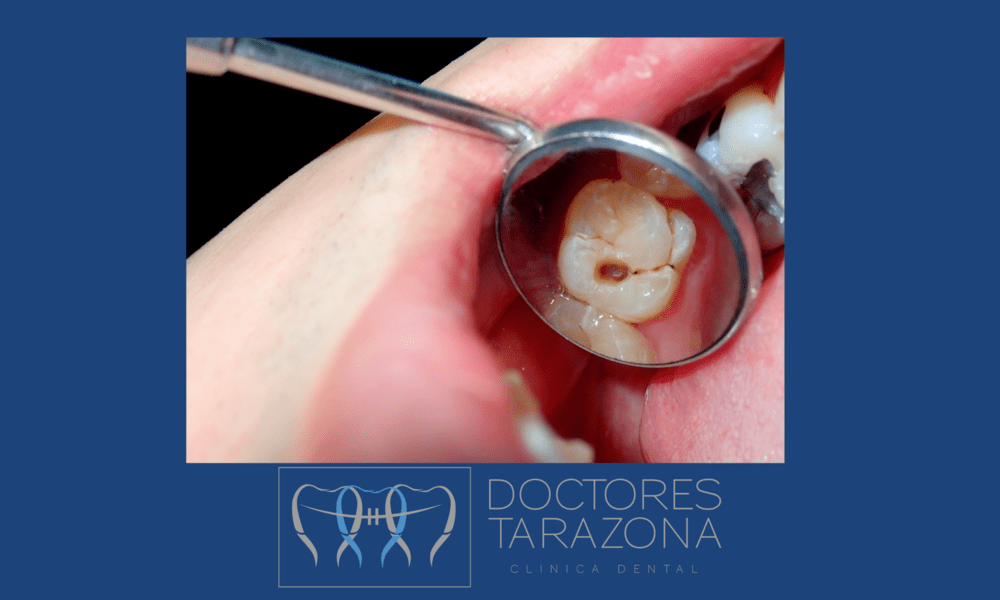
One of the conditions we find most frequently at the dental clinic is tooth decay, so today we’ll talk about what tooth decay is. Tooth decay is a chronic disease caused by the acids generated by the plaque that stays on our teeth, possibly leaving us with teeth with cavities and molars with cavities. Those acids destroy the enamel and the dentine, which are the layers of the tooth, possibly reaching the nerve in the most serious cases.
Cavity symptoms:
The symptoms produced by tooth decay can be very varied depending on what moment of the process the tooth decay is at. In the initial moments the patient may not realise it, since it doesn’t usually hurt if it affects the most superficial part of the tooth enamel. However, if the tooth decay keeps progressing we’ll start to notice some of the following symptoms. Cavity symptoms:
– A hole in the tooth or in the molar.
– A change of colour in the tooth or in the molar.
– Teeth that hurt when biting or eating cold or hot things.
– Teeth sensitive to cold or heat.
In the event of noticing any of these symptoms it will be necessary to go for a check-up at the dental clinic so that the cavity doesn’t keep progressing and destroy the tooth material.
Childhood cavities
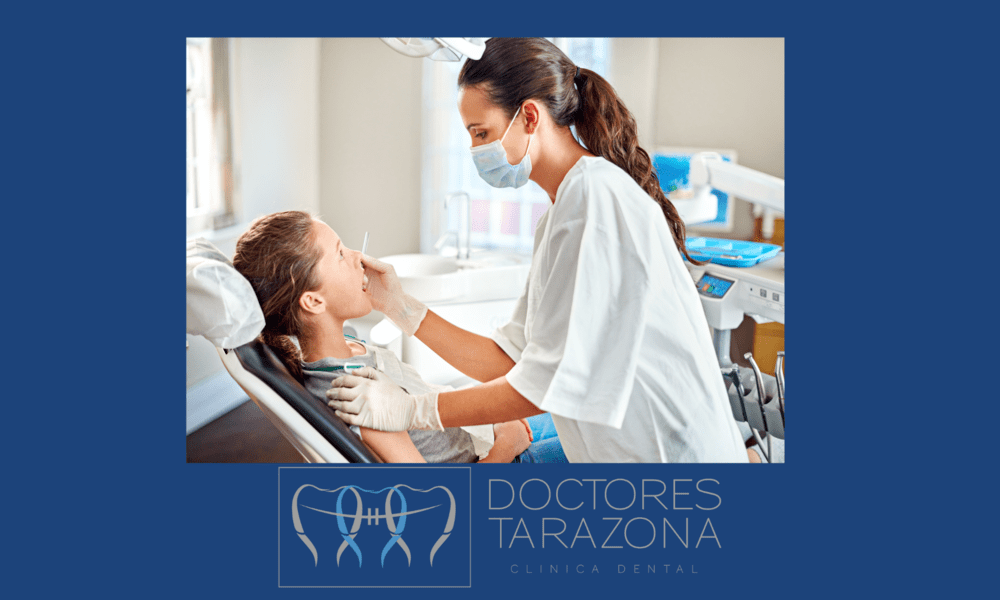
Tooth decay is the most common chronic childhood disease. It occurs five times more often than asthma. As in adults, the acids of the plaque can create a cavity in a tooth, in the case of children in the temporary or milk teeth or already in the permanent teeth.
Childhood cavities are very frequent since children tend to eat more sweets and a low-fibre diet, with a hole in the tooth or molar initially appearing or a change of colour that can go unnoticed by the parents. That’s why it’s essential, in addition to carrying out good dental hygiene, to go for a check-up once a year at the dental clinic to make sure there are no cavities, since some, such as cavities between teeth (interdental cavities) or even a molar with a cavity, we may not see until they affect the nerve of the tooth and hurt.
Many patients think that cavities in children aren’t important since those teeth will fall out and new ones will grow, but that’s a serious mistake. Cavities in the milk teeth progress more quickly and they frequently cause abscesses or fistulas where the pus comes out, having to give the child antibiotic medication and losing the tooth on many occasions.
For all these reasons, it’s important to go to our dental clinic so that our children’s specialist gives them an annual check-up and makes sure the teeth are healthy.
Cavities in pregnancy
Pregnancy involves a series of hormonal and physical changes that are also going to affect oral health. One of the most frequent conditions is cavities in pregnancy. In fact, there’s a popular belief that says that “each pregnancy costs you a tooth” but that has no scientific basis, since the baby doesn’t get the calcium from the mother’s teeth, but from what she eats.
Pregnant women, therefore, by undergoing hormonal changes and on many occasions changing their diet, should check their oral health more frequently. The most important thing will be to keep a healthy mouth during pregnancy by going to dental check-ups routinely to make sure everything is fine, since it’s been shown that the bacteria in the mother’s mouth can cause a premature birth or low birth weight of the child.
The consequences of cavities
The consequences of cavities will depend on how big the cavity is:
- The first consequence will be the destruction of the tooth; a small hole usually appears on the surface that gradually gets bigger as the cavity progresses.
- If the cavity reaches the nerve of the tooth, often an abscess or a fistula (a little spot on the gum where the pus comes out) can appear, with the face possibly swelling and even giving a fever. If that infection isn’t treated in time it could spread to more places such as the neck and the infection spread throughout the body.
In addition, the bigger the cavity, the more likely we are to lose the tooth, which also involves having problems chewing.
That’s why the ideal is to treat the cavity in time and be able to carry out a simpler treatment, as we’ll now see.
How to remove cavities?: Treatment of cavities:
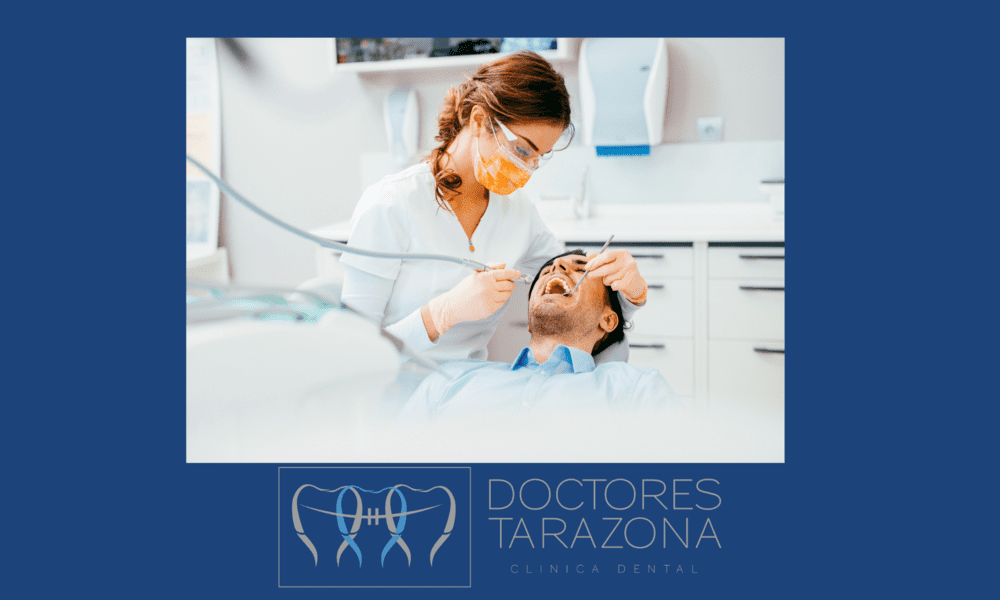
And once we’ve been diagnosed with a cavity, how to remove the cavities? What treatment of the cavities will they carry out on me at the clinic? We explain how to cure cavities:
As we’ve explained above, the cavity destroys the tissues of the tooth and these can’t regenerate, so the dentist will have to remove the destroyed tissues and cure them with filling material. There are different treatments for cavities depending on how serious our cavity is:
–Remineralising pastes: they can be used in cavities that are starting and have barely destroyed any tooth, being able to remineralise the tooth with a cavity that has been damaged.
–Fillings: in the event that the destruction has been greater. The dentist will have to remove the tissue that has been destroyed and replace it with white filling material. It’s the most common treatment.
–Root canals or “killing the nerve”: in the event that the cavity has reached the pulp of the tooth it will be necessary to carry out a root canal, which will consist of removing the nerve of the tooth and filling it with filling material.
Therefore, the best treatment for tooth decay will be its prevention. For this it will be necessary to carry out good hygiene, a low-sugar diet and have a check-up at the dental clinic at least once a year.
From the Clínica Dental Doctores Tarazona we hope to have resolved your doubts about cavities, but if you have any more doubts or want more information about the treatment of cavities don’t hesitate to contact us and we’ll answer them as soon as possible.