Dental Sensitivity: Stop Suffering Now!
In today’s post we’re going to talk about dental sensitivity, also known as dental hypersensitivity. It’s a painful process in which the person who has it suffers with certain stimuli of the following type:
- Thermal: variations in temperature (such as, for example, with very hot or cold drinks).
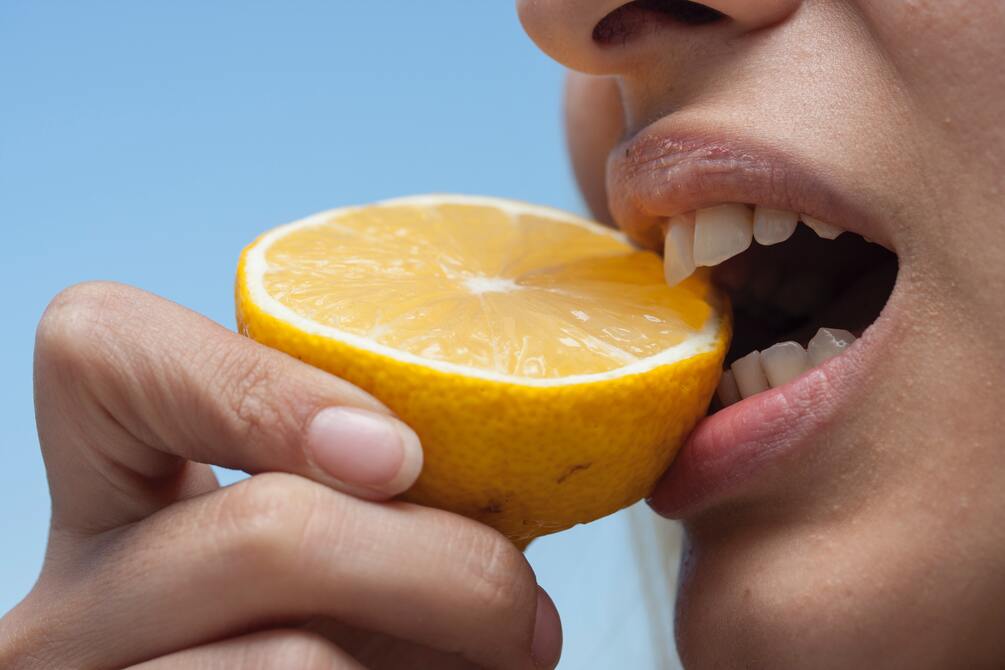
- Chemical or osmotic: the perception with certain foods such as, for example, foods that contain sugar. At the dental clinic, with a sugar solution, it’s applied to the patient in different areas to detect where they’re suffering pain or discomfort and to be able to detect which tooth or teeth are affected.
- Tactile: when an examination is carried out by the dentist, the sensitivity the patient suffers becomes evident.
What dental sensitivity is
When the patient arrives with pain and explains what’s happening to them and the discomfort they’re having, they hope that we can give them a diagnosis and a solution, but also to know what dental sensitivity is. It’s: in some cases a wear of the tooth surface itself (enamel), in others a receding of the gums or gingival recession that involves a weakening of the tissue that covers the gums and makes the tooth more exposed in the area of its root, which isn’t prepared to be in contact with the outside, and that’s when the patient notices pain.
Dental sensitivity: Causes
But why is it that we have sensitive teeth? The causes for us to suffer dental sensitivity are various and among them all we’d highlight:
- Not having an oral care routine: It can end up being a reason for the tooth enamel to wear down.
- Brushing the teeth very intensely or aggressively: Being very vigorous with our tooth brushing won’t make our teeth cleaner and it can affect the health of our gums. It’s recommended to avoid this practice when brushing the teeth, since our gums can recede and expose the dental cementum of the roots.
- Poor diet: Eating excessively acidic, sweet or sour foods can affect the tooth enamel and likewise weaken the structure of our teeth. It happens, for example, with cavities, which can come to cause sensitivity and even pain.
- Receding gums: If you observe that the gums are separating from the teeth, then we can say that the gums are receding. It can be due to the way we brush, or it can be due to another type of more serious condition such as periodontal disease, more commonly known as pyorrhoea. In any case, it should be a dentist who diagnoses what’s happening.
- The use of certain mouthwashes and whitening toothpastes: they can contain abrasive elements, as is the case with whitening toothpastes, or excessive hydrogen peroxide in the mouthwashes that end up causing us irritations and pass through the enamel of our teeth.
- Gingivitis: it’s a periodontal disease that causes inflammation in the gums and causes sensitivity in them.
- Bruxism: It’s the action of tensing the jaw, generally due to anxious or stressed states. The patient grinds the teeth, making the enamel become compromised and, as a consequence, exposing the dentine.

Dentine, what is it?
When the enamel becomes worn by any of the mentioned causes, it’s the dentine that ends up being affected, but what is the dentine? It’s a tissue with dentinal tubules that communicate with the nerves of the tooth. In the crown area it’s the enamel that covers it and in the root area it’s covered by cementum.
Dental sensitivity: Treatment
If we want to know how to remove dental sensitivity, we recommend always going to the practice so that our dentists can assess the case and find the best solution. Generally the most frequent solutions to solve cases of dental sensitivity are:
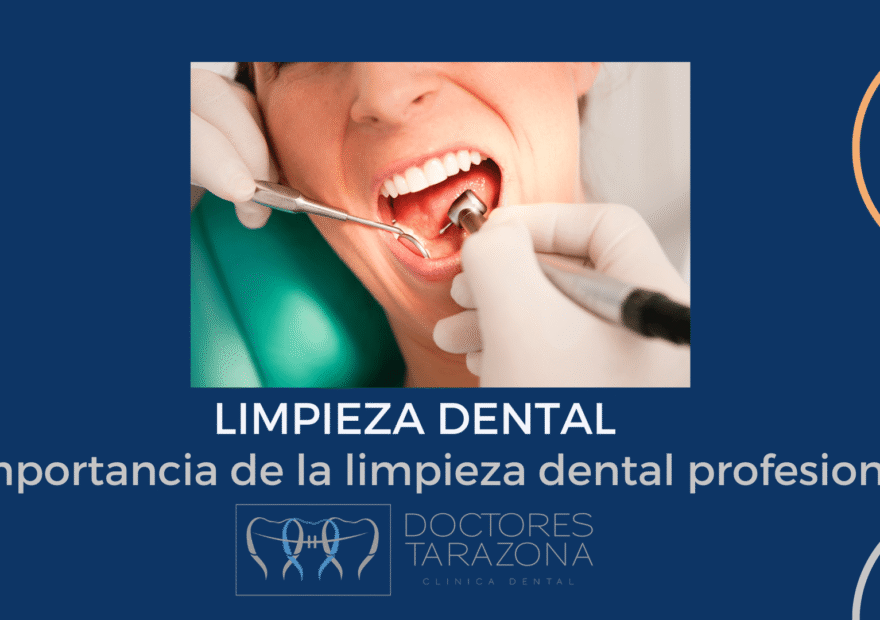
- Proper oral hygiene: Whether it’s your first appointment at our clinic (which has no cost because it’s free) or you’re already a patient of the clinic, your dentist can assess you to tell you the correct way of brushing, the paste and the brush you should use. It’s always better for a specialist to recommend what’s best for each case. In cases of dental hypersensitivity it’s quite common to suggest to the patient that they use a soft toothbrush for their brushing, with which to make soft circular movements. In the treatment of dental sensitivity it’s also advised to use a fluoride toothpaste. With this the aim is to give the enamel a strengthening, as well as to provide a reduction in pain, as well as specific pastes for sensitivity.
- Application of fluoride: the dentist can decide to apply fluoride to the areas with sensitivity with the aim of strengthening the enamel.
- Desensitisation of the area: the dentist applies adhesive resin to the parts that have become exposed.
- Root canal treatment: The dentist accesses these canals to be able to extract nerves that may be affected and fill them; it will be carried out with local anaesthetic and the teeth will be left without vitality, not giving sensitivity or pain.
From the Clínica Dental Doctores Tarazona we hope to have resolved your doubts about gum sensitivity, but if you have any more doubts or want more information about the treatment of dental sensitivity don’t hesitate to contact us and we’ll answer them as soon as possible.