Cómo mantener una buena higiene dental durante el embarazo: consejos de la Clínica Dental Doctores Tarazona en Valencia
Pregnancy is a very special stage in a woman’s life, but it also involves many physical and hormonal changes that can affect oral health. That’s why it’s very important to look after your dental hygiene during pregnancy, both for the well-being of the mother and the baby.
In this post, we tell you how you can maintain good dental hygiene during pregnancy, what dental problems you can prevent and what dental care is safe during this stage. In addition, we share with you some real stories of patients who have come to our clinic in Valencia to receive dental treatment during their pregnancy.
Oral changes during pregnancy: how to look after your dental health during this special stage
During pregnancy, a series of oral changes occur that can affect the dental health of the mother. These changes are mainly due to the increase in the levels of oestrogen and progesterone, which influence the body’s response to the bacteria that cause dental plaque.
Some of the most common oral changes during pregnancy are:
- Increased dental sensitivity: many women experience greater sensitivity to cold, heat or sweet things during pregnancy. This is because the gums become inflamed and recede, exposing part of the root of the tooth.
- Bleeding and inflammation of the gums: the gums become more prone to bleeding and inflammation during pregnancy, due to the greater blood supply and the lower ability to defend against bacteria. This phenomenon is known as pregnancy gingivitis and can appear from the first trimester.
- Increased risk of cavities: the frequent nausea and vomiting during pregnancy can cause greater acidity in the mouth, which erodes the tooth enamel and favours the appearance of cavities. In addition, cravings for sweet or acidic foods can also contribute to the deterioration of the teeth.
- Alterations in the saliva: some women notice an increase or a decrease in the salivary flow during pregnancy, which can affect the balance of the oral pH and the natural cleaning ability of the mouth.
- Changes in the colour and shape of the teeth: although it isn’t very common, some women may suffer changes in the colour or shape of the teeth during pregnancy, due to genetic or nutritional factors.
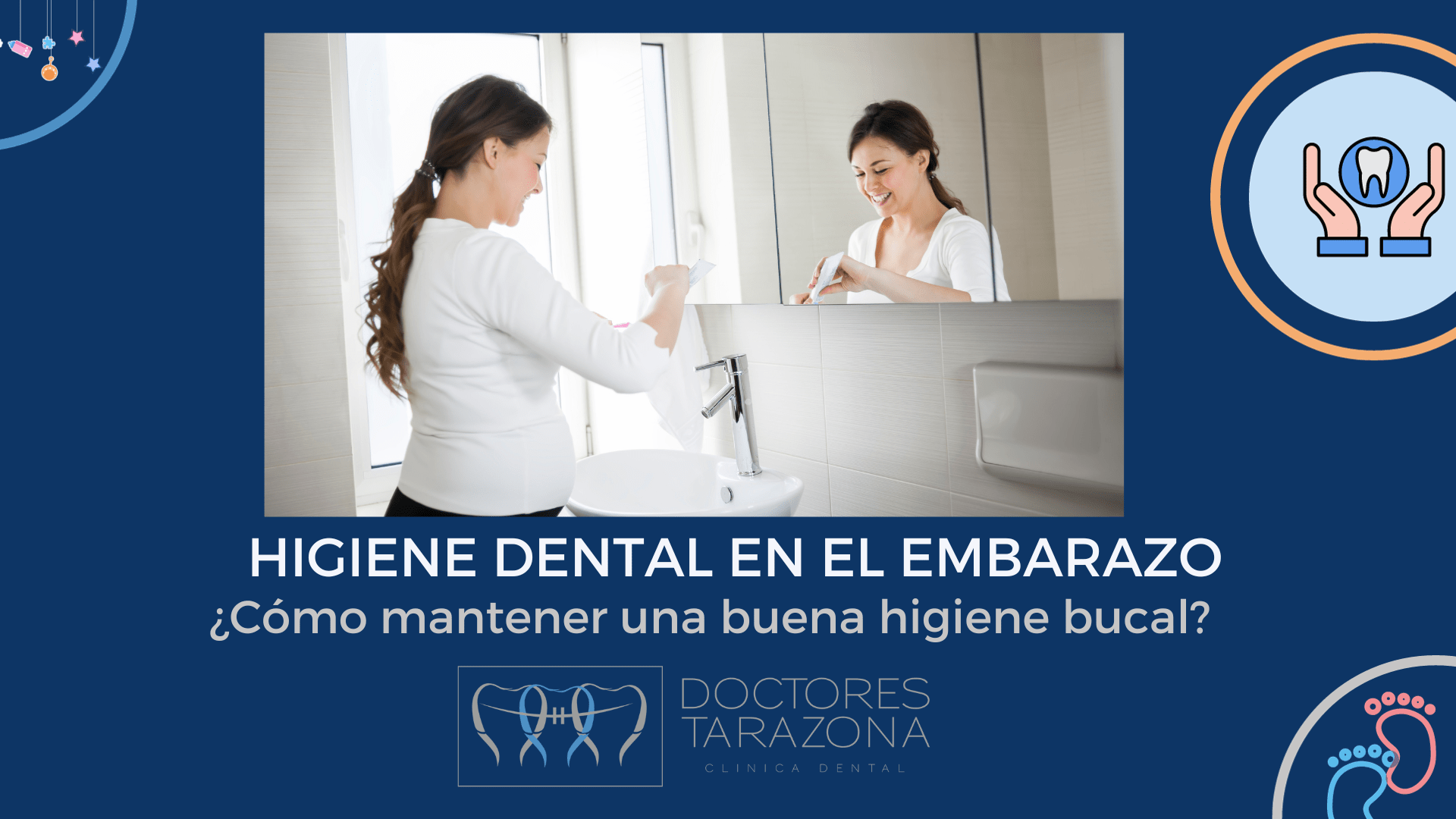
To look after your dental health during this special stage, it’s essential that you maintain good daily oral hygiene, which includes:
- Brushing the teeth after each meal, using a soft brush and a fluoride paste.
- Using dental floss or interdental brushes to remove the food debris between the teeth.
- Mouthwash with an alcohol-free product, which helps to prevent gingivitis and cavities.
- A visit to the dentist at least once during the pregnancy, for a check-up and a professional cleaning.
In addition, if you suffer from nausea or vomiting, we recommend that you rinse your mouth with water or with a bicarbonate solution, to neutralise the acidity and protect the tooth enamel.
The importance of oral hygiene in pregnancy: how to prevent dental problems during gestation
Oral hygiene in pregnancy isn’t only important for the dental health of the mother, but also for that of the baby. And the thing is, dental problems during pregnancy can have negative consequences both for the gestation and for the development of the foetus.
Some of the complications that can arise from poor oral hygiene in pregnancy are:
- Premature birth: pregnancy gingivitis can cause systemic inflammation that increases the risk of premature birth or low birth weight. According to some studies, women with periodontal disease are up to three times more likely to have a premature birth than those with healthy gums.
- Transmission of bacteria to the baby: the bacteria that cause cavities or gingivitis can be transmitted to the baby through saliva or the placenta, which can affect their future dental health. For example, it’s been shown that mothers with cavities are more likely to have children with cavities than those who don’t have them.
- Defects in the baby’s tooth enamel: the lack of calcium or vitamins during pregnancy can cause the baby to have weaker tooth enamel or one prone to staining. This can make the prevention and treatment of childhood tooth decay difficult.
To prevent these dental problems during pregnancy, it’s essential that you follow the oral hygiene guidelines we’ve given you in the previous section, and that you consult your dentist about any doubt or discomfort you have in your mouth.

Safe dental care during pregnancy: recommendations and important considerations
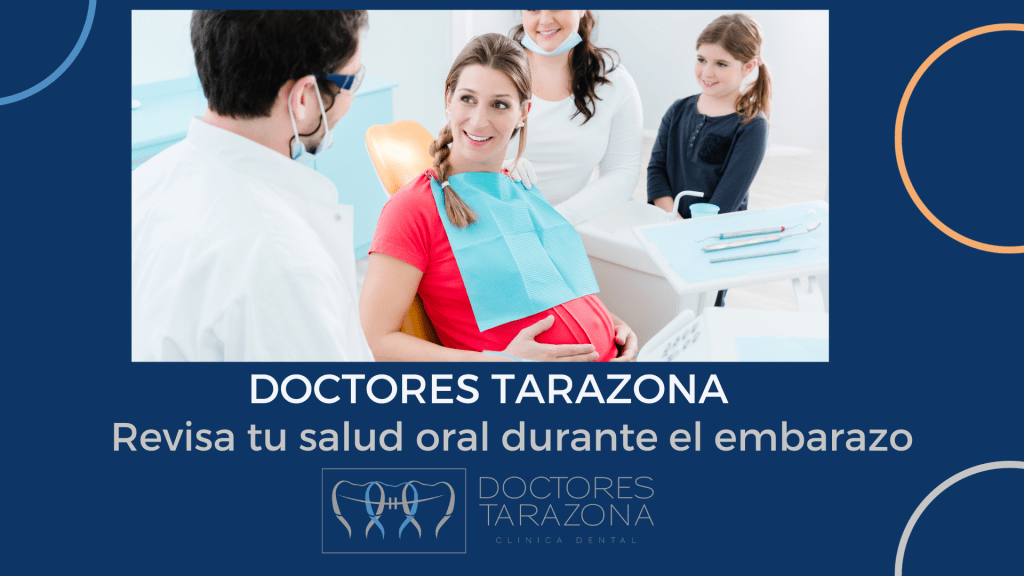
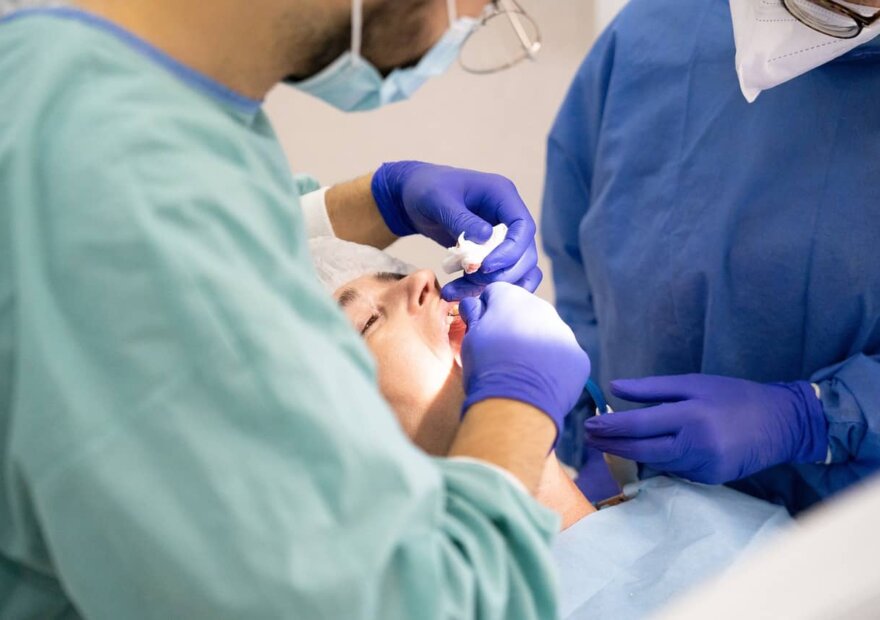
Many women wonder whether it’s safe to go to the dentist during pregnancy, or whether they can have any kind of dental treatment without risk to their health or that of their baby. The answer is yes, as long as some recommendations are followed and some important considerations are taken into account.
In general, safe dental care during pregnancy is that which doesn’t involve unnecessary risk or excessive exposure to radiation or medication. That’s why it’s recommended to:
- Avoid elective or cosmetic dental treatments, such as whitening, orthodontics or veneers, until after the birth.
- Prioritise preventive or conservative dental treatments, such as cleanings, fillings or root canals, which help to avoid bigger complications.
- Postpone surgical or invasive dental treatments, such as extractions or implants, until after the birth, unless they’re urgent or essential.
- Choose the second trimester of pregnancy as the most suitable time to carry out the necessary dental treatments, as it’s when there’s the least risk of miscarriage or premature birth.
- Inform the dentist about the state of the pregnancy, the due date and any medication or supplement you’re taking.
- Ask the dentist to use local anaesthetic without epinephrine and digital X-rays with abdominal and thyroid protection, if they’re necessary.
By following these recommendations and considerations, you’ll be able to receive the safe dental care during pregnancy that you need, without endangering your health or that of your baby.
>>> This post may be useful to you: The risks of not treating gum disease.
Healthy eating for good dental health during pregnancy
Another essential aspect to maintain good dental hygiene during pregnancy is to follow a healthy and balanced diet that provides all the nutrients needed for the oral health of the mother and the baby.
During pregnancy, the needs for calcium, phosphorus, magnesium, vitamin D and vitamin C increase, as they’re essential for the formation and the maintenance of the bones and the teeth. That’s why it’s important to include in the diet foods rich in these nutrients, such as dairy products, oily fish, nuts, green leafy vegetables or citrus fruits.
It’s also recommended to eat foods that contain fibre, such as fruit, vegetables or wholegrain cereals, which help to clean the teeth and to stimulate the production of saliva. Likewise, it’s advisable to drink plenty of water, which helps to hydrate the mouth and to remove the bacteria.
On the contrary, you should avoid the consumption of foods that can damage the teeth or favour cavities, such as refined sugars, acidic or sticky foods, carbonated drinks or very hot infusions. In addition, you should moderate the consumption of coffee, tea or red wine, which can stain the tooth enamel.
By following these healthy eating guidelines for good dental health during pregnancy, you’ll be able to prevent many dental problems and ensure the correct development of the baby.
The influence of hormones on oral health during pregnancy: what you should know
As we’ve already mentioned, hormones play a very important role in oral health during pregnancy. And the thing is, hormones not only affect the oral changes that occur during this stage, but they can also influence the response to dental treatment.
According to some studies, hormones can modify the sensitivity to pain, the inflammation, the healing or the bleeding in pregnant women. For example, it’s been observed that pregnant women have a lower pain threshold than non-pregnant women, which can make tolerance to dental treatment difficult.
It’s also been proven that hormones can alter the immune response and the tissue repair ability in pregnant women. For example, it’s been shown that pregnant women have a greater susceptibility to bacterial or fungal infections in the mouth, which can complicate the prognosis of some dental diseases.
For all these reasons, it’s important that you’re aware of the influence of hormones on oral health during pregnancy and that you consult your dentist about any change or symptom you notice in your mouth. That way you’ll be able to receive the most suitable and safe dental treatment for you and your baby.
Tips for the care of the gums during pregnancy: preventing pregnancy gingivitis
One of the most frequent dental problems during pregnancy is pregnancy gingivitis, which is characterised by an inflammation and bleeding of the gums caused by the increase in hormones and dental plaque.
Pregnancy gingivitis can appear from the first trimester of pregnancy and can get worse as the gestation progresses. If it isn’t treated properly, it can lead to periodontitis or a loss of bone support around the teeth.
To prevent pregnancy gingivitis and look after your gums during pregnancy, we recommend that you follow this advice:
- Brush your teeth gently, but firmly, making circular movements and covering the whole tooth and gum surface.
- Use a soft toothbrush and change the head every three months or when the bristles wear out.
- Use a fluoride toothpaste and an alcohol-free mouthwash, which help to fight the bacteria and to strengthen the tooth enamel.
- Clean the interdental spaces with dental floss or interproximal brushes, to remove the plaque that builds up between the teeth and that the brush can’t reach.
- Massage your gums with a silicone fingertip or with a rubber brush, to stimulate the blood circulation and relieve the inflammation.
- Avoid tobacco, alcohol and irritating foods, which can aggravate the gingivitis and make the healing of the gums difficult.
- Visit the dentist regularly, so they can check the state of your gums and carry out a professional cleaning if necessary.
By following this advice for the care of the gums during pregnancy, you’ll be able to prevent pregnancy gingivitis and keep healthy and beautiful gums.
We hope this post has helped you learn how to maintain good dental hygiene during pregnancy and what dental care you can receive in this very special stage.
If you have any doubt or need an appointment, don’t hesitate to contact us. At the Clínica Dental Doctores Tarazona in Valencia, we offer you personalised and professional care, tailored to your needs and to those of your baby.
We’re waiting for you! 😊
>> This post may interest you: Clínica Dental Doctores Tarazona, who are we and what services can we offer you?