Why Do I Feel Pain on Just One Side of My Jaw? Causes and Solutions
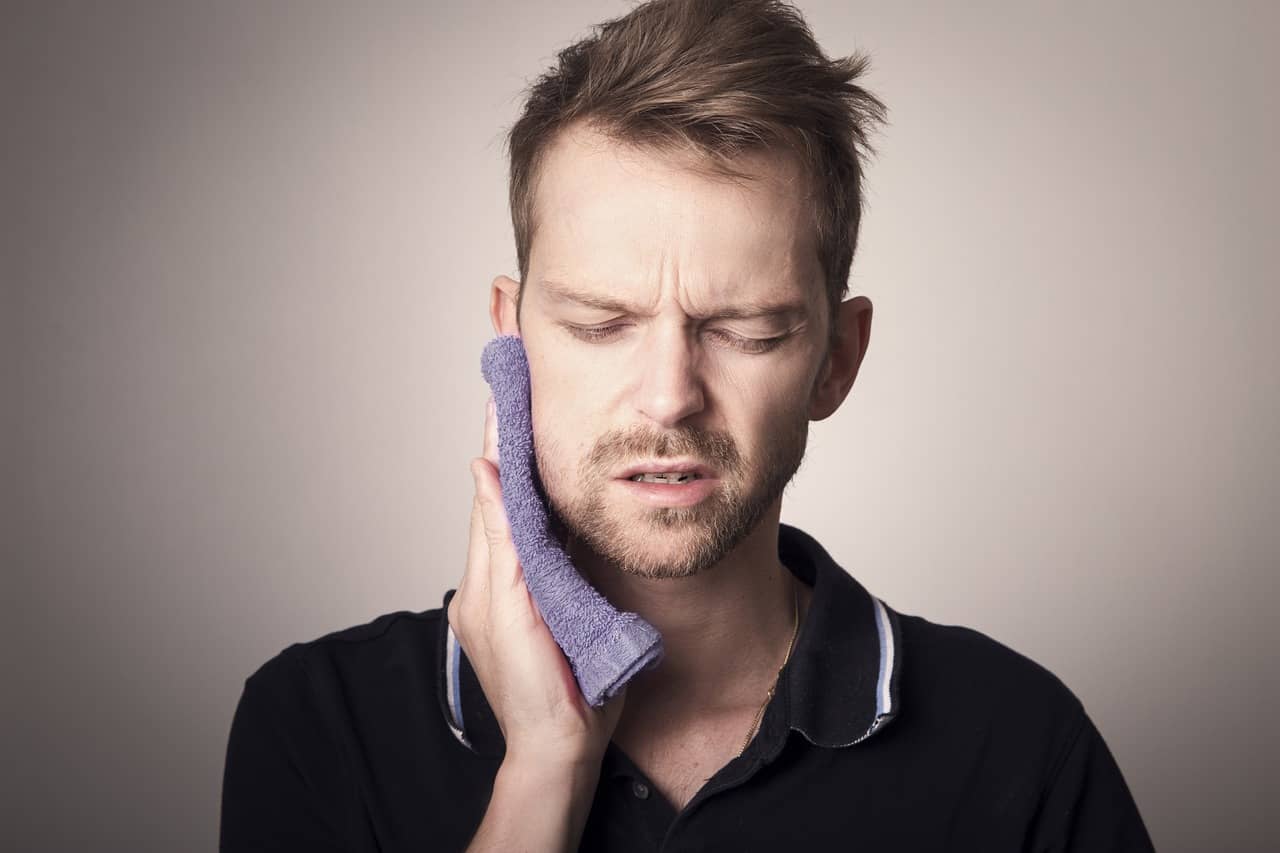
Pain on just one side of the jaw can be a frustrating and worrying symptom. Sometimes it appears suddenly when you open your mouth or chew, and other times it’s a constant discomfort that doesn’t seem to improve. If you’ve made it here, you’re surely wondering: What causes it? Is it serious? How can I relieve it? We’re going to break down all the possible causes and solutions, so you better understand what might be happening and what you can do to feel better.
The main causes of one-sided jaw pain
The jaw is a complex structure that can be affected by many conditions. From muscle problems to bite misalignments, understanding what’s going on is the first step to finding relief.
Stress and bruxism: two common factors in jaw pain
Have you noticed that you clench your teeth, especially at night? Bruxism, which is the involuntary habit of clenching or grinding the teeth, is one of the most common causes of one-sided jaw pain. This constant strain can overload the muscles on one side of the jaw more than the other, causing pain and stiffness. In addition, stress tends to worsen this condition, creating a vicious circle that can be hard to break.
Temporomandibular joint (TMJ) problems and their impact
The TMJ is the joint that connects the jaw to the skull, and any alteration in how it works can cause pain on one or both sides of the jaw. Displacement of the joint disc, inflammation or even overuse of the joint can be behind that discomfort when opening your mouth or chewing.
Infections and other dental conditions that affect the jaw
A dental abscess, a gum infection or even a wisdom tooth can cause localised pain on just one side of the jaw. In these cases, the pain usually comes with other symptoms such as swelling, sensitivity or difficulty chewing. Don’t underestimate a possible infection, as it needs immediate attention.
Can a bad bite be the cause of pain on one side of the jaw?
A poor dental alignment can put uneven pressure on the jaw, making one side bear more load than the other. Over time, this can trigger discomfort in the muscles and joints on that side, especially when chewing hard foods or opening your mouth wide.
Jaw pain when opening your mouth: symptoms and diagnosis
If you notice pain specifically when opening your mouth, this could be an important clue to identifying the underlying cause. Let’s analyse this symptom more closely.
What does pain when opening your mouth mean? Warning signs to consider
Pain when opening your mouth can indicate a problem with the TMJ, a muscle injury or even a dental infection. If you also have difficulty opening your mouth fully, noises such as clicks or pops in the jaw, or pain radiating to the ear, it’s time to pay attention.
How to tell if jaw pain is related to the TMJ
TMJ problems usually show up as pain that worsens with repetitive use of the joint. If you feel discomfort when talking, yawning or chewing, and it’s located near the ear, the TMJ may be the culprit.
The differences between muscle pain and joint pain in the jaw
Muscle pain usually feels like pressure or stiffness, while joint pain can include sharp sensations, clicking or even the inability to move the jaw normally. Recognising these differences is key to knowing what type of treatment you need.
When do you need to see a specialist for jaw pain?
If the pain persists for more than a week, gets worse or comes with fever, severe inflammation or difficulty opening your mouth, it’s essential to see a dentist or TMJ specialist. Delaying the consultation could complicate the treatment.
Treatments and solutions to relieve one-sided jaw pain
The good news is that, in most cases, jaw pain can be relieved with the right treatments and certain changes of habit.
Exercises to reduce jaw pain at home
Simple exercises such as opening and closing your mouth slowly, massaging the jaw muscles or applying heat to the affected area can ease the tension and reduce the pain.
Medication and therapies for jaw pain caused by bruxism
In cases of bruxism, your dentist may recommend a night guard (splint) to protect your teeth and relax the jaw. In addition, medications such as anti-inflammatories or muscle relaxants can be useful in acute episodes.
Treatment options for TMJ problems
Treatment of the TMJ can include physiotherapy, laser therapy or, in serious cases, surgery. A TMJ specialist will assess your case and suggest the most suitable solution.
Dental care and changes of habit to reduce jaw pain
Keeping up good oral hygiene, avoiding hard foods and learning to manage stress are measures that can make a difference. It’s also important not to strain the jaw by opening your mouth too wide or chewing hard objects such as ice.
Tips to prevent jaw pain and improve your oral health
Prevention is always better than cure, and there are many steps you can take to avoid jaw pain.
Daily habits that help reduce strain on the jaw
Try to incorporate relaxation techniques such as meditation or yoga into your daily routine. Avoid clenching your teeth during the day, and if you do it at night, ask your dentist about a night guard.
The importance of correct dental alignment in preventing jaw pain
A proper bite not only improves the look of your smile, but also reduces the pressure on the jaw. If you have misalignments, orthodontic treatment may be the solution.
How does posture affect jaw pain? Practical tips
Surprisingly, poor posture, especially when working in front of a computer, can contribute to jaw pain. Keep your head aligned with your spine and avoid leaning it forward for long periods. Pain on one side of the jaw might seem complicated at first, but with the right approach and the necessary care, you can find relief. If you need help or have doubts, don’t hesitate to ask us. We’re here to look after your oral health!