How to Tell If There’s an Infection in a Dental Implant
Dental implants are a wonderful way to get your smile back, but like any medical procedure, they’re not free of possible complications. One of the most common problems that can arise is an infection. Now, how can you tell if your dental implant is infected? It’s normal to worry, especially if you notice something strange, but don’t be too alarmed. We’re going to explain in simple terms what the signs are, the possible causes and what you can do to fix it.
Signs and symptoms of a possible infection in dental implants
The first thing you should know is that implant infections usually show up with fairly clear symptoms. If you notice something strange, watch out for these signs:
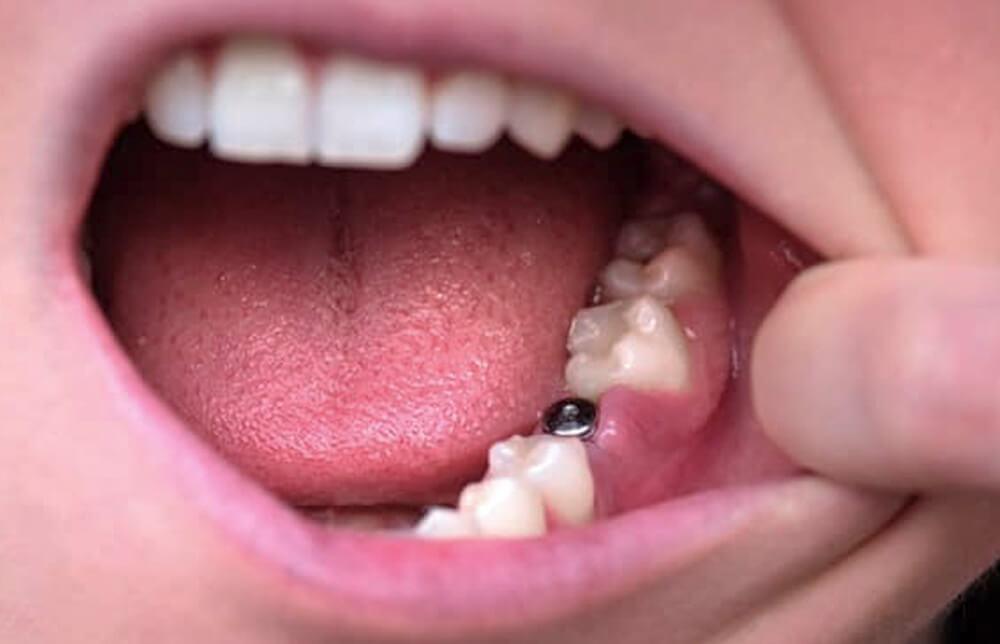
- Redness or swelling in the implant area. This can be an early sign of infection.
- Persistent pain, or pain that appears days after the surgery.
- Excessive bleeding when brushing or spontaneously.
- Pus discharge or a bad taste in the mouth near the implant. This is a clear symptom of infection.
- Difficulty chewing or a feeling that the implant is moving.
If you feel any of these symptoms, don’t let it slide. It may not be serious, but it’s always best to have a professional check it as soon as possible.
What can cause an infection in a dental implant?
Infections don’t just happen for no reason. There are certain conditions that can encourage them to appear.
Common risk factors
- Poor oral hygiene: after the implant is placed, keeping up good hygiene is essential to avoid bacteria building up.
- Smoking: tobacco not only hinders healing, but also increases the risk of infection.
- Pre-existing conditions: problems such as diabetes or immune disorders can make your body more prone to developing infections.
- A lack of regular check-ups: it’s crucial to attend your check-ups with the dentist to make sure everything is going well.
How a dental implant rejection shows up
A dental implant can be rejected by the body, but this doesn’t happen as often as you might think. That said, people often confuse the symptoms of rejection with those of an infection, so let’s clear it up.
The differences between rejection and infection
Implant rejection occurs when the bone doesn’t properly integrate the implant (a process called osseointegration). The symptoms can include implant mobility, a lack of proper healing or even persistent pain without an obvious infection. On the other hand, an infection usually comes with inflammation, pus discharge and general discomfort in the area.
Diagnosing problems with dental implants: when to see the dentist
If you have any discomfort with your implant, it’s best not to wait for the symptoms to get worse. Your dentist is the one who can determine whether there’s an infection or whether it’s another problem.
Tests and procedures to detect infections or rejections
Your dentist can carry out various tests, such as X-rays, to check whether there’s bone loss around the implant or whether the implant is properly integrated. They can also examine the area to detect visible signs of infection.
Treatments for infections in dental implants
If an infection is detected, don’t worry, because in most cases it can be treated without needing to remove the implant.
Essential aftercare to prevent complications
The treatment can include:
- Antibiotics: to fight the infection and stop it spreading.
- Deep cleanings: your dentist can carry out a professional cleaning to remove the built-up bacteria.
- Checking the implant’s fit: if the implant is mobile, it may need readjusting or, in extreme cases, replacing.
Tips to keep your dental implants healthy
To avoid infections and problems in the future, follow these tips:
- Brush your teeth and your implants carefully but regularly.
- Use dental floss or interdental brushes to clean between the teeth.
- Avoid tobacco and cut down on very sugary foods.
- Attend your regular dental check-ups.
Having a dental implant is an investment in your health and your smile. With a little daily care and attention to the possible warning signs, you can make sure your implant lasts many years. If you have doubts or need more information, we’re here to help you. Don’t stop looking after yourself, because a healthy smile is a great calling card!