Dental Splint: What It Is, Types and Benefits for Your Oral Health
A dental splint is a device that’s placed on the teeth to correct problems with the bite, align the teeth, protect the enamel or prevent bruxism. In this post we’ll tell you everything you need to know about dental splints and how they can improve your smile and your oral health.
“Do you know what a dental splint is and what it’s for? Do you know the different types and benefits it has for your oral health and your pocket? In this article we explain everything you need to know about dental splints and how they can improve your smile and your quality of life. Keep reading and find out!”
What is a dental splint and what is it for?
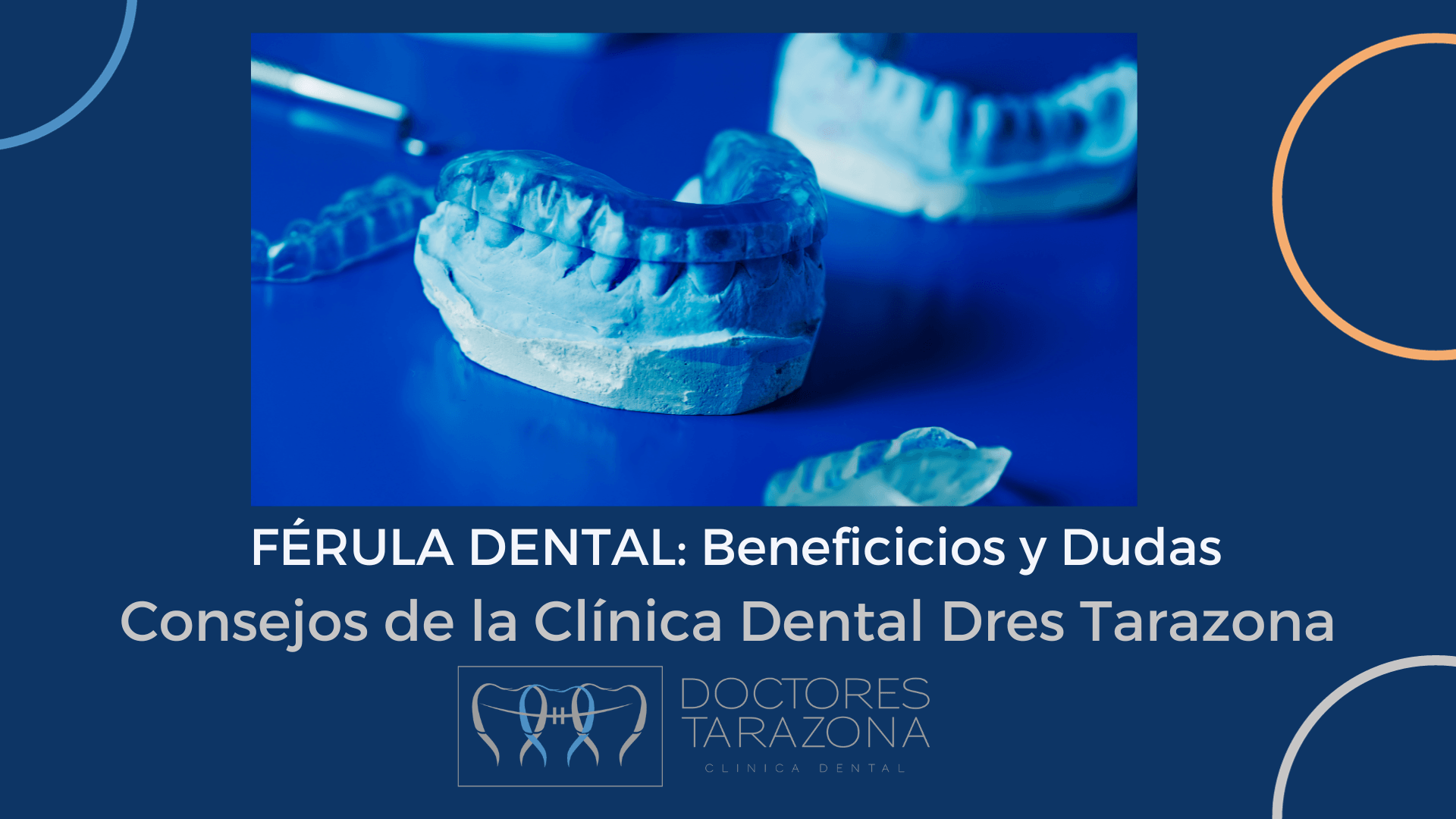
A dental splint is a piece, usually of plastic, that adapts to the shape of the teeth and is placed in the mouth to fulfil a specific function. Depending on the type of dental splint, it can be used to:
- Correct the position of the teeth and improve the bite. These splints are called orthodontic splints and are used together with braces or invisible aligners.
- Protect the teeth from the wear caused by grinding or clenching of the teeth. These splints are called night guards (bite splints) and are used at night to prevent bruxism.
- Protect the teeth from possible blows or trauma. These splints are called protective splints (mouthguards) and are used in contact or risk sports.
- Whiten the teeth with a special gel. These splints are called whitening trays and are used for a few hours a day to get a whiter smile.
What classes or categories of dental splints are there?
There are different types of dental splint according to the material, the shape and the function they have. Some of the most common types are:
- Rigid splints: they’re hard-plastic splints that fit the teeth and can’t be moved. They’re used to correct bite problems or align the teeth.
- Flexible splints: they’re soft-plastic or silicone splints that adapt to the teeth and can be taken out and put in. They’re used to protect the teeth from bruxism, whitening or blows.
- Custom splints: they’re splints that are made to measure for each patient, according to their needs and preferences. They’re used to guarantee a better fit, comfort and effectiveness.
- Standard splints: they’re splints that are bought ready-made and adapt to the patient’s mouth. They’re used as a cheaper and quicker option, but less precise and comfortable.
What benefits does using a dental splint have?
Using a dental splint can have many benefits for your oral health, such as:
- Improving the aesthetics of your smile, by correcting the position of the teeth, whitening them or stopping them from getting damaged.
- Improving the function of your mouth, by improving the bite, chewing, speech and breathing.
- Preventing dental problems, such as cavities, sensitivity, fractures, infections or loss of teeth.
- Preventing general health problems, such as headaches, neck, back, ear or jaw pains, caused by a poor occlusion or by bruxism.
How is a dental splint fitted?
To fit a dental splint, the first thing to do is go to the dentist so they can give you a diagnosis and recommend the most suitable type of splint for you. The dentist will take some impressions of your teeth and send them to a laboratory to have the splint made to measure. Once the splint is ready, the dentist will try it on you and adjust it so that it fits you perfectly. The dentist will also give you some instructions on the use and care of the splint, which you must follow to the letter.
How do you look after a dental splint?
To look after a dental splint, it’s important to follow these tips:
- Clean the splint after each use with water and soap, or with a specific product that the dentist recommends. Don’t use toothpaste, alcohol or bleach, as they can damage the splint.
- Dry the splint with a soft towel or a paper, and store it in a clean and dry case or container. Don’t leave it in the sun, in the heat or out in the open, as it can become deformed or deteriorate.
- Take the splint to the dentist every time you have a check-up, so they can check it and adjust it if necessary. If the splint breaks, is lost or bothers you, let the dentist know as soon as possible.
- Don’t eat, drink, smoke or chew gum with the splint in, as it can get stained, dirty or broken. Don’t bite it, suck it or play with it with your tongue either, as it can become loose or damage your teeth.
How much does a dental splint cost?
The price of a dental splint can vary depending on the type, the material, the quality and the clinic where you have it made. Generally, a dental splint can cost between €50 and €300, although it can be more expensive if it’s an orthodontic or whitening splint. In addition, you have to bear in mind that the price of the splint doesn’t include the cost of the check-ups, the adjustments or the possible changes that have to be made.
“Be careful with misleading advertising, low-cost treatments, or the supposed payment facilities that some brands offer (the small print usually has HIGH interest that the patient ends up paying). At our dental clinic in Valencia we always give a detailed quote with no small print”.
>>>This post has had a lot of interactions >> “Dental Curettage“
What alternatives are there to dental splints?
Dental splints are an effective and safe solution for many dental problems, but they’re not the only option that exists. Some of the alternatives to dental splints are:
- Braces: they’re metal or ceramic appliances that are stuck to the teeth and joined with a wire. They’re used to correct the position of the teeth and the bite, but they’re more visible, uncomfortable and harder to clean than orthodontic splints.
- Invisible aligners: they’re clear, removable splints that are changed periodically (usually every week). They’re used to correct the position of the teeth and the bite, but they’re more expensive, delicate and require more discipline than orthodontic splints.
- Dental implants: they’re titanium pieces that are inserted into the jawbone and covered with a porcelain crown. They’re used to replace lost or damaged teeth, but they’re more invasive, costly and require more care than protective splints.
- Dental veneers: they’re sheets of porcelain or composite that are stuck to the surface of the teeth. They’re used to improve the aesthetics of the teeth, but they’re more irreversible, risky and don’t solve the functional problems that whitening trays do.
This post may interest you >>> “Orthodontic Treatment in Valencia: Aligners or Braces“
And this other post may be what you were looking for >>> “Dental Veneers: Your aesthetic solution for your PERFECT smile“
Where can I have a dental splint made in Valencia?
If you’re looking for a dental clinic in Valencia where you can have a dental splint made, we recommend that you visit us: Clínica Dental Doctores Tarazona.
We’re a clinic with more than a decade of experience, with a team of qualified professionals specialising in different areas of dentistry, such as orthodontics, implantology, cosmetic dentistry or paediatric dentistry. At Clínica Dental Doctores Tarazona we offer you personalised care, quality attention and competitive prices (with no small print). In addition, we have the latest technologies and the best materials to guarantee your satisfaction and your oral health and save you from having to have tests such as the dental CT scan outside our practice.
If you want to know more about dental splints or book an appointment at Clínica Dental Doctores Tarazona, you can visit our website, call by phone, contact us by WhatsApp or send an email. We’ll be delighted to help you and resolve all your doubts to guarantee your peace of mind. Get to know us more and stay informed on our Instagram profile (which is the fastest-growing one in the province of Valencia: +39% so far this year!)
Don’t wait any longer and look after your oral health with the best professionals.
We hope this post has been useful and interesting for you, and that it has helped you learn more about dental splints and orthodontics. If you liked it, share it with your friends and family, and leave us a comment with your opinion. Thanks for reading! 😊
A Big Smile,
Dr Tarazona