Why Do I Have Persistent Bad Breath Even Though I Brush My Teeth?
You’ve surely wondered more than once: why do I have bad breath even though I brush my teeth? It’s frustrating, isn’t it? You brush, you use mouthwash, you even carry gum or sweets, but the problem is still there. The truth is that bad breath, or halitosis, isn’t always solved by good oral hygiene alone. There are many reasons behind this problem, and here we’re going to uncover them all. The important thing is to know that there’s a solution, so don’t worry.
Understanding bad breath: what really causes it?
Before looking for solutions, it’s essential to understand what’s going on. Bad breath isn’t just a matter of hygiene, but a combination of factors.
What is bad breath or halitosis and why is it so common?
Halitosis is the medical term for the bad smell that comes from the mouth. Although sometimes it’s a temporary problem, such as after eating strong foods (garlic or onion, anyone?), in other cases it’s persistent and can be down to more serious problems. Did you know it affects at least 50% of people at some point in their lives? It’s more common than you think.
Internal factors that contribute to continuous bad breath
Your body also plays an important role. For example, problems in the digestive system, respiratory infections or even certain metabolic conditions can cause bad breath. Sometimes it isn’t even related to your mouth, but to what’s happening lower down, in your stomach or even your lungs.
Poor hygiene habits that could affect your breath, even if you brush your teeth
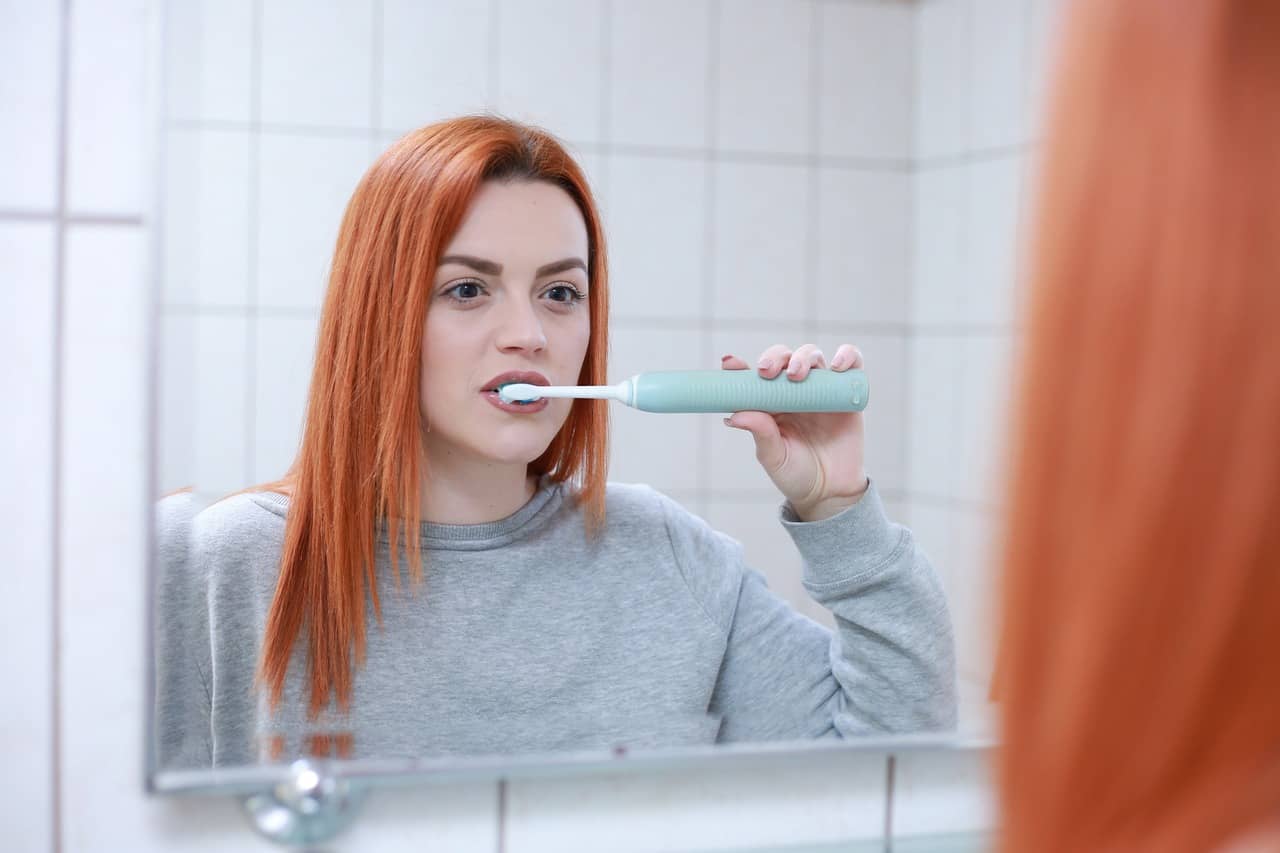
Even if you think your hygiene is good, you may be missing something. Do you brush your tongue? It’s one of the main hiding places for the bacteria that cause bad smells. In addition, if you don’t use dental floss regularly, food debris is likely to remain between your teeth, which produces that unpleasant smell as it breaks down.
The main causes of persistent bad breath you should know
Now that we understand the problem, let’s talk about the most common reasons why you might be dealing with this bad breath.
Oral problems: cavities, gum disease and other conditions
Untreated cavities, gum infections (gingivitis or periodontitis) and other oral conditions are frequent causes of bad breath. These situations create a perfect environment for the bacteria that produce unpleasant smells.
Diet and lifestyle: food, tobacco and other influences
Foods such as garlic, onion and very spicy meals not only leave a strong smell in the mouth, but can also be absorbed into the bloodstream and released through the breath. In addition, tobacco is a double problem: it causes bad breath and dries out the mouth, making the situation worse.
Digestive problems and their impact on the breath
Gastro-oesophageal reflux is one of the most common culprits. When the stomach acids rise up towards the oesophagus, they can cause acidic or bitter breath. In rarer cases, liver or kidney problems can also have an influence.
Dry mouth: how saliva production affects bad breath
Dry mouth (xerostomia) can be one of the main reasons behind persistent bad breath. Saliva helps clean the mouth and remove food particles. Without enough saliva, bacteria build up and produce unpleasant smells.
Diseases and systemic conditions that could be behind chronic halitosis
Conditions such as diabetes, chronic respiratory infections or even cancer can be behind bad breath that won’t go away. Although these causes are less common, it’s important to rule them out if the problem persists.
Solutions and tips to fight persistent bad breath
Fortunately, there are many ways to fight bad breath. Here are some practical steps you can follow.
Effective oral-hygiene habits beyond brushing
- Brush your tongue daily with a specific cleaner.
- Use dental floss after every meal to remove food debris.
- Add antibacterial mouthwashes to your routine.
- Schedule professional cleanings with your dentist at least twice a year.
Dietary changes that could improve your breath
Avoid foods with strong smells and cut down on sugar, which feeds the bacteria. Include fresh foods such as apples and carrots, which stimulate saliva production and help clean the mouth naturally.
When you need to see the dentist or doctor for breath problems
If, despite improving your habits, the bad breath persists, it’s time to seek professional help. A dentist can detect underlying oral problems, and if the cause isn’t in your mouth, they’ll refer you to a doctor to investigate other possible origins.
Frequently asked questions about bad breath
Can bad breath be temporary or does it always indicate a health problem?
It can be temporary, such as after eating certain foods or if you’re dehydrated. However, if it’s persistent, it could be a sign of a deeper problem, such as oral diseases or medical conditions.
Which home remedies really help to improve breath?
Drinking water regularly, using home rinses with bicarbonate of soda and chewing fresh herbs such as parsley or mint can help improve breath temporarily. However, it’s important to tackle the root cause for a lasting solution.
How long does bad breath take to disappear once the cause is treated?
This depends on the cause. If the problem is superficial, such as food debris or plaque, you’ll notice an improvement almost immediately after a proper cleaning. In more serious cases, it can take weeks of professional treatment. Persistent bad breath can be frustrating, but with the right approach, it’s possible to solve it. If you need help, don’t hesitate to ask us. We’re here to help you get your confidence and a fresh mouth back!