What Are the Disadvantages of Teeth Whitening? Discover the Risks Before You Decide
Not all that glitters is gold, and the same goes for teeth. Teeth whitening can work wonders on a smile, yes, but it also has its less glamorous side that’s worth bearing in mind before you dive in. If you’re thinking about whitening your teeth, we’ll tell you everything, no beating around the bush. The good, the not-so-good… and what nobody usually says.
What does teeth whitening really involve?
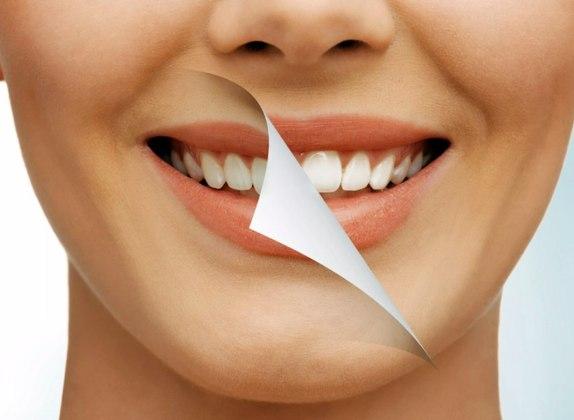
Whitening your teeth isn’t just “you make them white and that’s that”. In reality, it’s about applying a peroxide gel (hydrogen or carbamide) that penetrates the enamel to lighten the colour from within. The aim? To remove stains and achieve a brighter smile.
The most common techniques: in-clinic vs at home
In the clinic, the result is faster and more controlled, because it’s done by a professional with more powerful products. At home, it’s usually done with custom trays or milder products, but of course, the effect takes longer to show. Each option has its merits, and it’s not about choosing the cheapest, but the safest for you.
Expected results and how long the effect lasts
Don’t expect an advert-white smile if you have very deep stains. And note, the result doesn’t last forever. It can last months or even a couple of years, but it always depends on your diet, habits and hygiene routines.
The main side effects of teeth whitening
Tooth sensitivity: when is it normal and when isn’t it?
It’s the most common effect. Many patients notice a kind of “twinge” in their teeth when drinking something cold or hot after treatment. It usually doesn’t last long, but there are cases where it becomes genuinely bothersome. If your teeth were already sensitive beforehand, it’s best to discuss it carefully with the dentist before you go ahead.
Irritation of the gums and soft tissues
If the gel comes into contact with the gums or lips… ouch, it can sting, burn or even cause a small ulcer. It doesn’t happen every time, but it’s something that can occur, especially if the treatment is done without professional supervision.
Possible enamel damage if not applied correctly
This is serious. If the product is too strong or used incorrectly, the enamel can weaken, and there’s no going back from that. That’s why we always insist so much on avoiding unsupervised home whitening or the strange social-media fads with miracle products.
Is it safe for everyone? Cases where it isn’t recommended
Medical and dental contraindications
It’s not recommended if you’re pregnant or breastfeeding, if you have an active oral disease or if you wear orthodontics. It’s best to wait until everything is stable before starting.
Risks in people with cavities, fillings or pre-existing problems
This really is important: whitening should not be done over teeth with untreated cavities, nor over old fillings without checking them. Because the product can seep in and cause pain or complications. Before any whitening, it’s essential to check the overall condition of your mouth.
Cosmetic teeth whitening: is it worth it in the long run?
It requires frequent maintenance
Yes, this isn’t like painting your nails. The white fades over time. So if you want to keep it, you have to repeat the treatment every so often, follow good cleaning routines and be very careful with what you eat and drink.
It doesn’t guarantee permanent results
There’s no magic. Coffee, red wine, tobacco or even certain dark sauces can stain the teeth again. So if you’re not prepared to look after it afterwards… it’s probably not what you’re looking for.
Natural, less aggressive alternatives to improve your smile
Healthy habits that prevent tooth discolouration
Drinking water after meals, cutting down on coffee, avoiding smoking, using a straw with dark drinks… yes, they’re old-wives’ tricks, but they work. Sometimes we improve the natural colour of our teeth more than we imagine just by taking a little care day to day.
Oral hygiene products with a mild whitening effect
There are toothpastes and mouthwashes that help maintain the shade without being aggressive. They don’t work miracles, but they can help keep your smile cleaner and brighter, especially if you’ve already had a whitening treatment before.
Expert opinion: is teeth whitening recommended?
We always say the same thing: yes, if it’s done properly. If it’s with professional supervision, a good prior diagnosis and knowing what you can expect… go ahead. But if you do it just because it’s trendy or chasing an unreal white, it can disappoint you. Or worse, do damage.
Conclusion: key things to consider before whitening your teeth
Teeth whitening can be a fantastic tool to improve your smile, but it’s not for everyone, nor is it as innocent as it looks on social media. It requires care, realistic expectations and a lot of responsibility. If you have doubts, ask us with no obligation. Because beyond the white, what matters is having a healthy mouth.