Electric vs Manual Toothbrush: The Advantages and Disadvantages of Each Option
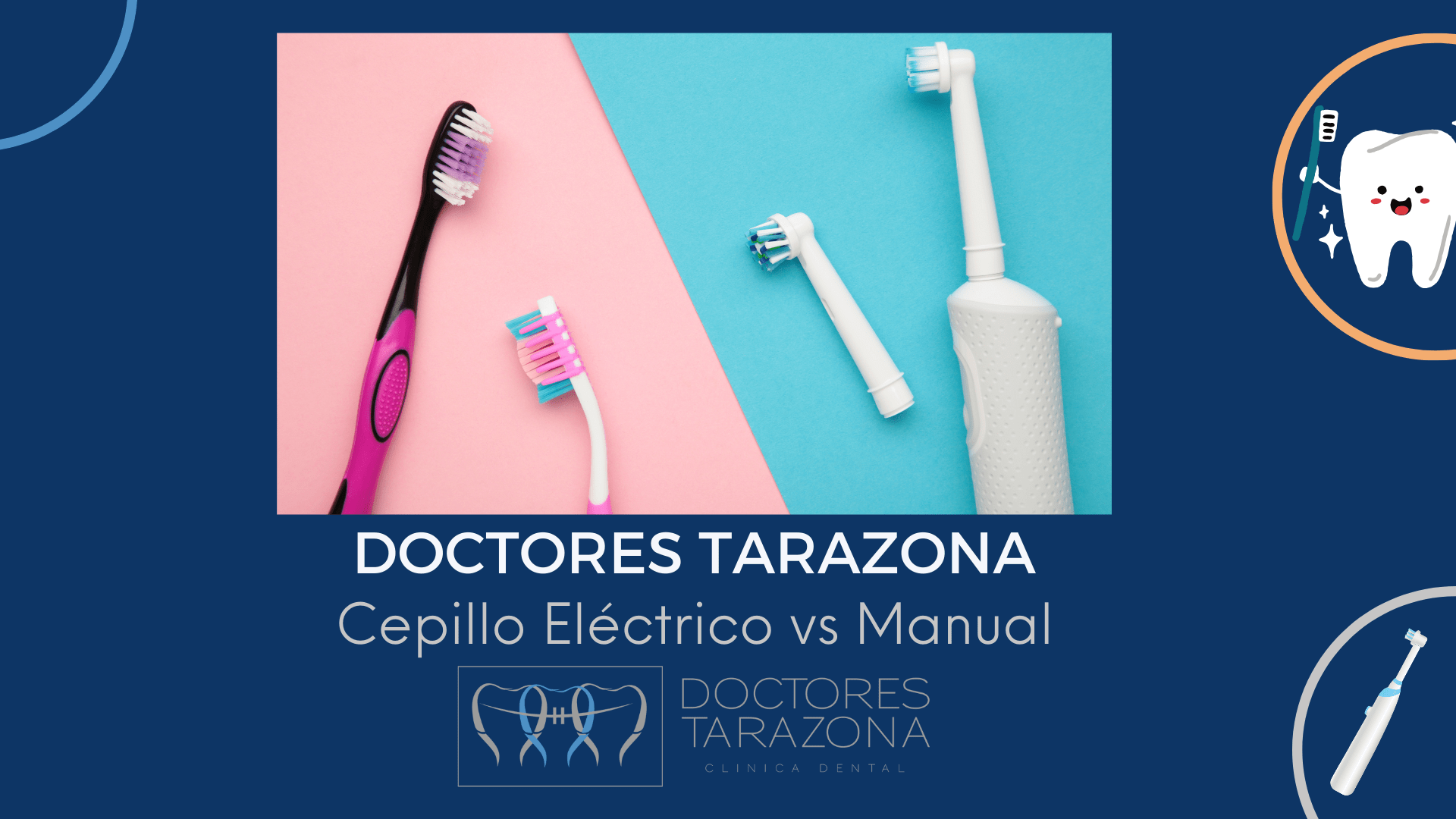
The choice between the electric toothbrush and the manual toothbrush is an important decision for looking after your oral health. Both types of brush have advantages and disadvantages that should be considered when making a decision. In this article, we’ll analyse the advantages and disadvantages of each option to help you choose the best toothbrush for your oral hygiene.
Key aspects of each toothbrush
- The manual toothbrush is an affordable option and suitable for those who undergo complex surgical procedures.
- The electric toothbrush offers greater plaque removal and helps to reduce the wear and abrasion of the teeth.
- The choice between the two types of brush depends on individual needs and preferences.
- It’s important to maintain an effective brushing routine and make regular visits to the dentist, regardless of the type of brush chosen.
- It’s recommended to change your toothbrush every 3 months to guarantee a proper clean.
Advantages of the manual toothbrush
The manual toothbrush has several advantages. First, it’s a learning and motivation tool, especially recommended for children. By using a manual brush, children learn the proper brushing technique and acquire good oral hygiene habits from an early age.
In addition, the manual brush is suitable for those who undergo complex surgical procedures, such as dental implants or periodontal surgery. The softness and precision of the manual brush allow a careful clean around sensitive or healing areas.
Last but not least, the manual brush is more affordable than the electric brush. If you’re looking for an option that fits your budget without compromising your oral health, the manual brush is an excellent choice.
In short, the advantages of the manual brush are:
- A learning and motivation tool for children
- Suitable for complex surgical procedures
- More affordable than the electric brush
Remember that the most important thing is to maintain a proper brushing routine, regardless of the type of brush you choose.
| Advantages of the manual brush |
|---|
| A learning and motivation tool for children |
| Suitable for complex surgical procedures |
| More affordable than the electric brush |
Disadvantages of the manual toothbrush
Although the manual toothbrush is a popular option, there are some disadvantages we should bear in mind. The main drawback is that the brushing movement depends on the user’s hand, which can result in uneven pressure during brushing. This uneven pressure can cause damage to the tooth enamel and the gums, especially if too much force is applied in some areas.
Another common disadvantage of the manual brush is that many users don’t keep to the recommended brushing time. Proper brushing should last at least two minutes, but people often rush and don’t dedicate enough time to this task that’s so important for oral health.
“The manual brush requires more precision and care on the part of the user to get optimal results”.
In short, although the manual brush is an affordable and widely available option, it has its disadvantages. The uneven pressure during brushing and the failure to meet the recommended time are factors to consider when making a decision about which type of toothbrush to use.
Comparison Table: Manual Brush vs Electric Brush
| Manual Brush | Electric Brush | |
|---|---|---|
| Brushing pressure | Depends on the user’s hand | Controlled by the movement of the electric brush |
| Brushing time | Depends on the user’s discipline | Some models have timers to ensure the proper time |
| Cleaning effectiveness | Effective if used correctly | Can remove more plaque than the manual brush |
| Cost | More affordable | Usually more expensive |
| Ease of use | Easy to use and transport | Some models can be uncomfortable due to their size and weight |
Advantages of the electric toothbrush
A close-up of a person’s hand holding a sleek, modern electric toothbrush with vibrant blue bristles. The bristles are slightly blurred from the rapid movement of the brush head, indicating its powerful cleaning action. The hand looks relaxed and at ease, highlighting the ease of use and convenience of an electric toothbrush. In the background, a blurred bathroom sink and faucet suggest that this is a daily routine and a necessary tool for maintaining good oral hygiene.
The electric toothbrush has several advantages that make it an excellent option for improving oral hygiene. Below, we list the main advantages it offers:
- Greater plaque-removal capacity: Thanks to its rotating or sonic heads, the electric brush can more efficiently remove the plaque that builds up on the teeth and gums. This helps to keep a healthier mouth and prevent oral diseases such as cavities and gingivitis.
- Reduction of wear and abrasion: Unlike the manual brush, the electric brush usually has vibration or rotation technologies that allow a softer and gentler clean. This helps to reduce the wear of the tooth enamel and the abrasion of the gums, providing a safer and more effective clean.
- Brushing timers: Many models of electric brushes come with built-in timers. These timers help you make sure you brush for the time recommended by oral health professionals. This is especially useful for those who tend to rush during brushing and don’t dedicate enough time for a proper clean.
“The electric brush offers a greater plaque-removal capacity, reduces dental wear and abrasion, and has brushing timers for a more effective clean.”
These advantages make the electric brush an ideal option for those who want to improve their brushing routine and get better results in terms of oral health. Although some models may have a higher initial cost compared to manual brushes, the long-term benefits justify the investment.
Below is a table that summarises the advantages of the electric toothbrush:
| Advantages of the Electric Toothbrush |
|---|
| Greater plaque-removal capacity |
| Reduction of dental wear and abrasion |
| Built-in brushing timers |
In short, the electric toothbrush offers a number of significant advantages that can improve the effectiveness of your brushing routine. If you’re looking for greater performance and better results in your oral hygiene, the electric brush is an option to consider.
Disadvantages of the electric toothbrush
Create an image of a sleek, modern-looking electric toothbrush. It has a vibrant, eye-catching color that contrasts with the white bristles. The brush head is circular, and there are visible bristles that move rapidly. The handle is ergonomic and has a comfortable grip. In the background, there are blurred figures brushing their teeth with traditional manual toothbrushes. The image should convey a sense of innovation and advanced technology, highlighting the benefits of the electric toothbrush over the traditional one.
Although the electric toothbrush has many advantages, it also has some disadvantages to bear in mind. Below, we’ll mention the main ones:
- Higher cost: Compared to the manual brush, the electric brush tends to be more expensive. This can be a barrier for those looking for a more affordable option.
- Discomfort in use: Due to their size and weight, some people may find the electric brush uncomfortable to use. Its distinctive design may require a period of adaptation and may not be suitable for those who prefer a lighter and more compact toothbrush.
- Charging time and battery: Some models of electric brushes require charging time before they can be used. This can be a disadvantage for those who prefer the convenience of a manual brush that doesn’t depend on an external power source.
It’s important to bear these disadvantages in mind when making a decision about which type of toothbrush to use. Although the electric brush has its limitations, many people find that the benefits and the cleaning effectiveness generally outweigh these drawbacks.
| Disadvantages of the electric brush | Advantages of the electric brush |
|---|---|
| Higher cost | Removes more plaque |
| Discomfort in use | Reduces the wear and abrasion of the teeth |
| Charging time and battery | Timers that help with the proper brushing time |
Which is better: manual or electric brush?
Ultimately, the choice between the manual toothbrush and the electric toothbrush depends on individual needs and preferences. Both types of brush are effective if they’re used correctly. It’s important to brush properly three times a day, regardless of the type of brush chosen.
Both brushes have their own advantages and disadvantages to consider. The manual brush is more affordable, suitable for those who undergo complex surgical procedures and recommended for children, as it’s a learning and motivation tool. However, the movement depends on the user’s hand, which can result in uneven pressure and damage the tooth enamel and the gums. In addition, many users don’t keep to the recommended brushing time.
On the other hand, the electric brush has rotating heads that can remove more plaque than the manual brush. It also helps to reduce the wear and abrasion of the teeth and many models have timers to ensure a proper brushing time. However, the cost is usually higher than that of the manual brush and it can be uncomfortable to use due to its size and weight. Some models also require charging time and a battery.
Comparison of advantages and disadvantages
| Advantages | Disadvantages | |
|---|---|---|
| Manual brush | More affordableA learning and motivation toolSuitable for surgical procedures | Uneven pressureDifficulty keeping to the recommended brushing time |
| Electric brush | Greater plaque removalLess wear and abrasion of the teethTimers for a proper brushing time | Higher costUncomfortable size and weightRequires charging time and a battery |
In short, both the manual brush and the electric brush have pros and cons. The choice of the best option depends on your personal preferences and oral needs. The most important thing is to keep a good brushing technique and brush properly three times a day, no matter the type of brush chosen.
Manual vs electric brush: which should you choose?
To make an informed decision about whether to opt for a manual or electric brush, we recommend visiting a specialist dentist. The professional will assess your oral health and will be able to recommend the type of toothbrush that best suits your individual needs. The main goal is to maintain an effective brushing routine that helps you keep good oral hygiene and prevent dental diseases.
Keeping a regular visit to the dentist is essential to receive personalised guidance and make sure you’re using the right brush. Remember that tooth brushing is only one part of comprehensive oral care, so it’s essential to complement it with the proper use of dental floss and mouthwash, as well as having a periodic professional clean.
There’s no single right answer for everyone, as each person has different needs, preferences and dental conditions. However, both types of brush can be effective if they’re used properly and the recommendations of dental health professionals are followed.
Below, we present you with some practical considerations to help you in your choice:
- Your dexterity and personal skill in handling the brush.
- The condition of your dental health and whether you have any specific condition such as sensitive gums or sensitive teeth.
- Your ability to keep to a proper brushing routine, including the recommended time and the brushing techniques.
- Your level of comfort with electric brushes, including the noise and vibration.
- Your budget and availability to replace heads or batteries, in the case of electric brushes.
Remember that the most important thing is to keep a constant and effective oral care routine, regardless of the type of brush you choose. If you have doubts or need more guidance, don’t hesitate to consult your trusted dentist.
A healthy smile starts with the right choice!
Brushing your teeth regularly is an essential part of oral care. Keep smiling!
| Manual Brush | Electric Brush | |
|---|---|---|
| Deep Cleaning | Harder to reach hard-to-reach areas. | Easier access to hard-to-reach areas. |
| Brushing Pressure | Depends on the user’s skill, can cause damage if too much pressure is applied. | Some models offer pressure sensors to avoid damage to the teeth and gums. |
| Brushing Time | No timer, the time must be counted manually. | Many models have built-in timers. |
| Cost | Lower initial cost and more affordable head replacement. | Higher initial costs and more expensive head or battery replacement. |
From what age can you use the electric brush?
Electric toothbrushes can be used by people of all ages, but it’s recommended that children start to use them from the age of 6 or 7. There are electric brushes designed specifically for children, with features adapted to their needs.
It’s important to bear in mind the child’s ability to handle the electric toothbrush properly. From the age of 6 or 7, children usually have the skill and coordination needed to use this type of brush effectively.
Electric brushes for children usually have soft bristles and smaller heads to fit their mouths. In addition, some models have timers and fun music to make brushing a more entertaining and motivating activity.
It’s important to supervise children while they use an electric toothbrush to guarantee that they use it correctly and that there are no risks of injury.
Remember that, regardless of the type of toothbrush used, it’s essential to teach children the importance of good oral hygiene and the proper brushing technique from an early age.
How often should I change my brush?
To maintain optimal oral hygiene, it’s important to know when you should change your toothbrush. It’s recommended to change the brush every 3 months, or even sooner if the bristles are worn or the brush is damaged.
Changing your toothbrush regularly is essential because the bristles wear out over time and lose their effectiveness in removing plaque and food debris from the teeth and gums. With worn bristles, the brush won’t be able to clean properly, which can compromise oral health.
In addition, if the toothbrush is damaged or has deformed bristles, it can cause injuries to the gums and the tooth enamel. A brush in poor condition can accumulate bacteria and germs, which isn’t hygienic and can lead to oral problems such as gingivitis.
It’s important to remember that changing the toothbrush regularly not only guarantees an effective clean, but also helps to prevent the build-up of bacteria on the brush. Using a new and fresh toothbrush gives you the peace of mind of a complete and efficient clean every time you brush.
Remember that changing the brush every 3 months is a general recommendation, but each person may have different needs. If you notice that the bristles of your brush are worn before 3 months, it’s better to replace it immediately. In addition, if you’ve been ill or have had an oral infection, it’s also advisable to change the brush to avoid the spread of bacteria.
In short, changing the toothbrush regularly is essential to maintain good oral health. Make sure you replace your brush every 3 months or sooner if it’s worn or damaged. Your smile will thank you for it!
Conclusion
In conclusion, the choice between the electric toothbrush and the manual toothbrush is a personal thing and depends on your individual preferences and needs. Both types of brush have advantages and disadvantages that should be taken into account when making a choice.
It’s important to use the type of brush that’s most comfortable and effective for you to maintain good oral hygiene. No matter which one you choose, the most essential thing is to follow a proper brushing technique and make regular visits to the dentist to ensure complete care of your oral health.
Remember that the most important thing is to keep a regular routine of brushing and dental care, regardless of the type of toothbrush you choose. Every person is different, so what works for one may not be the best for another. Choose the toothbrush that best suits your personal needs and make sure you maintain good oral hygiene at all times.