Common Myths About Dental Health: Teeth Whitening
Dental health is a subject that creates many doubts and concerns among people. There are many popular myths and beliefs about the care of the teeth, which can influence our decisions and habits. But what’s true and what’s false in these myths? How can we distinguish reality from fiction? In this series of posts, we’re going to dismantle some of the most common myths about dental health, and we’ll give you practical and professional advice so that you look after your smile in the best possible way. Keep reading and discover the truth!
Myths about teeth whitening: What’s true and what’s false?
Teeth whitening is one of the most in-demand aesthetic treatments in dental clinics. Many people want to have whiter and brighter teeth, but they’re also afraid of damaging their enamel or their oral health. That’s why it’s important to know the reality about teeth whitening, and not get carried away by the myths that circulate on the internet or by word of mouth. These are some of the most widespread myths about teeth whitening, and the truth that’s hidden behind them:
- Myth: Teeth whitening weakens the teeth and makes them more sensitive.
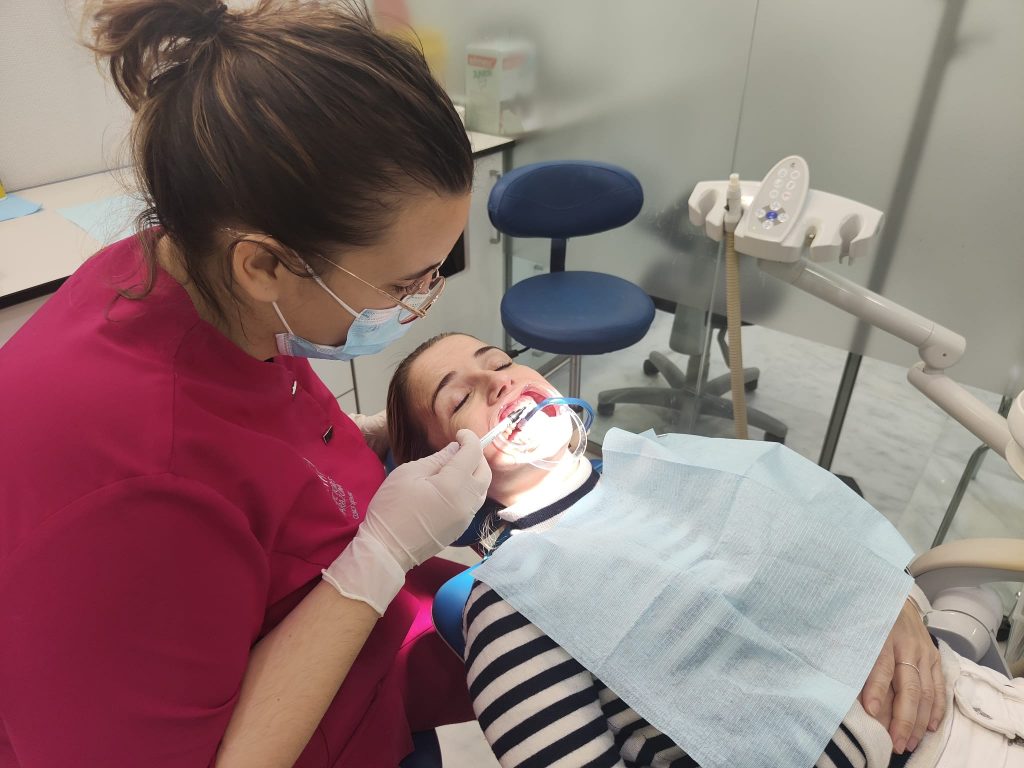
- Truth: Teeth whitening is a safe and effective treatment, as long as it’s carried out under the supervision of a professional dentist. The whitening products used in dental clinics are regulated and tested, and don’t damage the enamel or the dentine. In addition, preventive measures are applied to protect the gums and avoid dental sensitivity. However, it isn’t recommended to overuse teeth whitening, or to use home-made products or ones of dubious origin, as they can be harmful to oral health.
>>> This will interest you: Teeth Whitening Treatments in Valencia <<<
- Myth: Teeth whitening is permanent and doesn’t need maintenance.
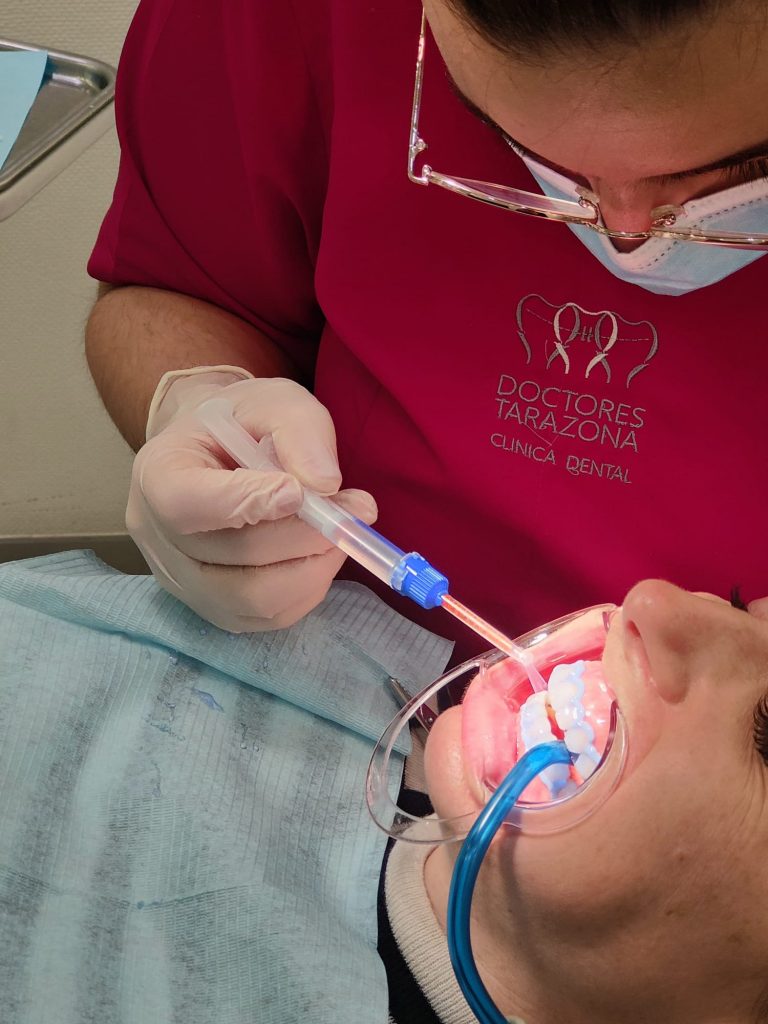
- Truth: Teeth whitening isn’t permanent, but rather it has a limited duration. The results can vary depending on the type of treatment, the initial colour of the teeth, the eating and hygiene habits, the consumption of tobacco or coffee, etc. Generally, the effect of teeth whitening can last between 6 months and 2 years, but it can decrease over time. That’s why it’s important to follow the dentist’s instructions to keep the teeth white, such as avoiding the drinks or foods that stain the teeth, brushing the teeth after every meal, using dental floss and mouthwash, and going to periodic check-ups.
>>> This may interest you: A Movie-Star Smile <<<
- Myth: Teeth whitening works the same way for all types of stains.
- Truth: Teeth whitening isn’t a universal solution for all cases of dental stains or discolouration.
There are different types of dental stains, according to their origin and their location. Extrinsic stains are those that affect the surface of the enamel, and are usually caused by the consumption of foods or drinks that stain the teeth, such as tea, wine or tobacco. These stains usually respond well to teeth whitening, as they’re removed with the action of the whitening agent. However, intrinsic stains are those that affect the internal structure of the tooth, and are usually caused by genetic, traumatic or medication-related factors. These stains are harder to remove with teeth whitening, as they require a more specific and individualised treatment.
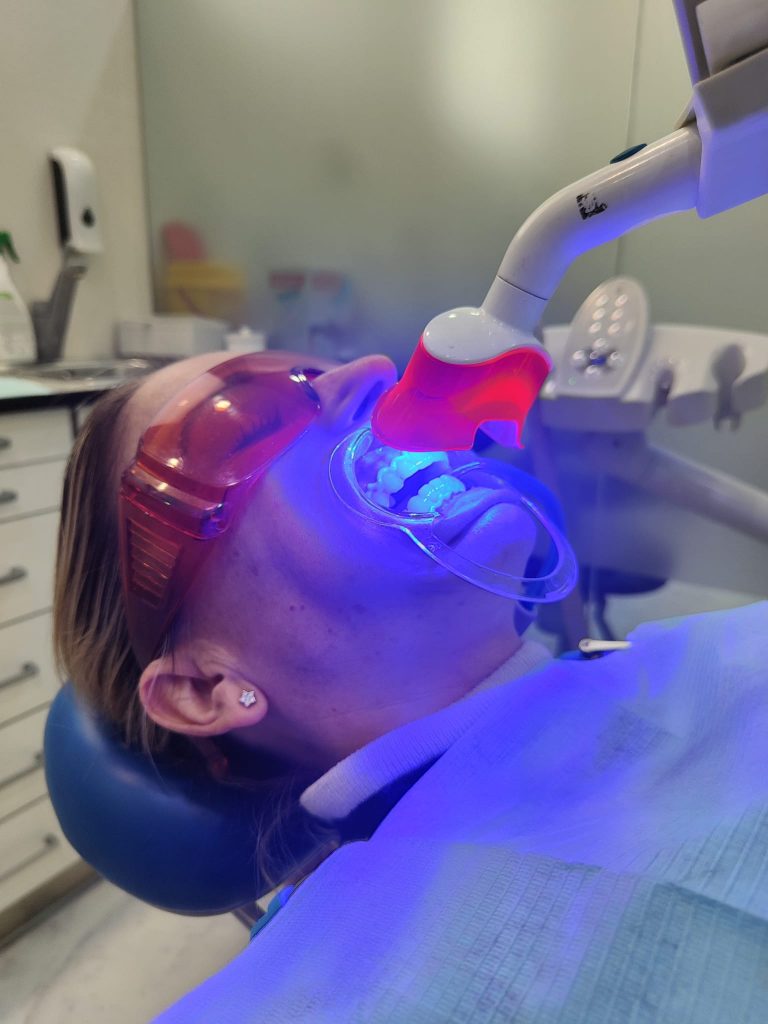
If you want to know whether you’re a candidate for teeth whitening, the best thing is to consult your trusted dentist. At the Clínica Dental Doctores Tarazona in Valencia we offer you a personalised and free study to assess your case and recommend the most suitable treatment for you. In addition, we have the most advanced techniques and the best professionals to guarantee your satisfaction and your safety.
Book your appointment today and get the smile you’ve always wanted!
At Clínica Dental Doctores Tarazona: “We Love Looking After Your Smile”.