Common Myths About Dental Health: Dental Sensitivity
Today we debunk dental sensitivity. As we mentioned in our previous post about Common myths about dental health: Whitening, dental health is a subject that creates many doubts and concerns among people. There are numerous “popular myths and legends” about the care of the teeth, which can influence our actions, care and habits. But what’s true and what’s false in these myths? How can we distinguish reality from fiction? In this series of posts, we continue dismantling some of the most common myths about dental health, and we’ll give you practical and professional advice so that you look after your smile in the best possible way. Keep reading and discover the truth!
Is it true that sensitive teeth are always a sign of dental problems?
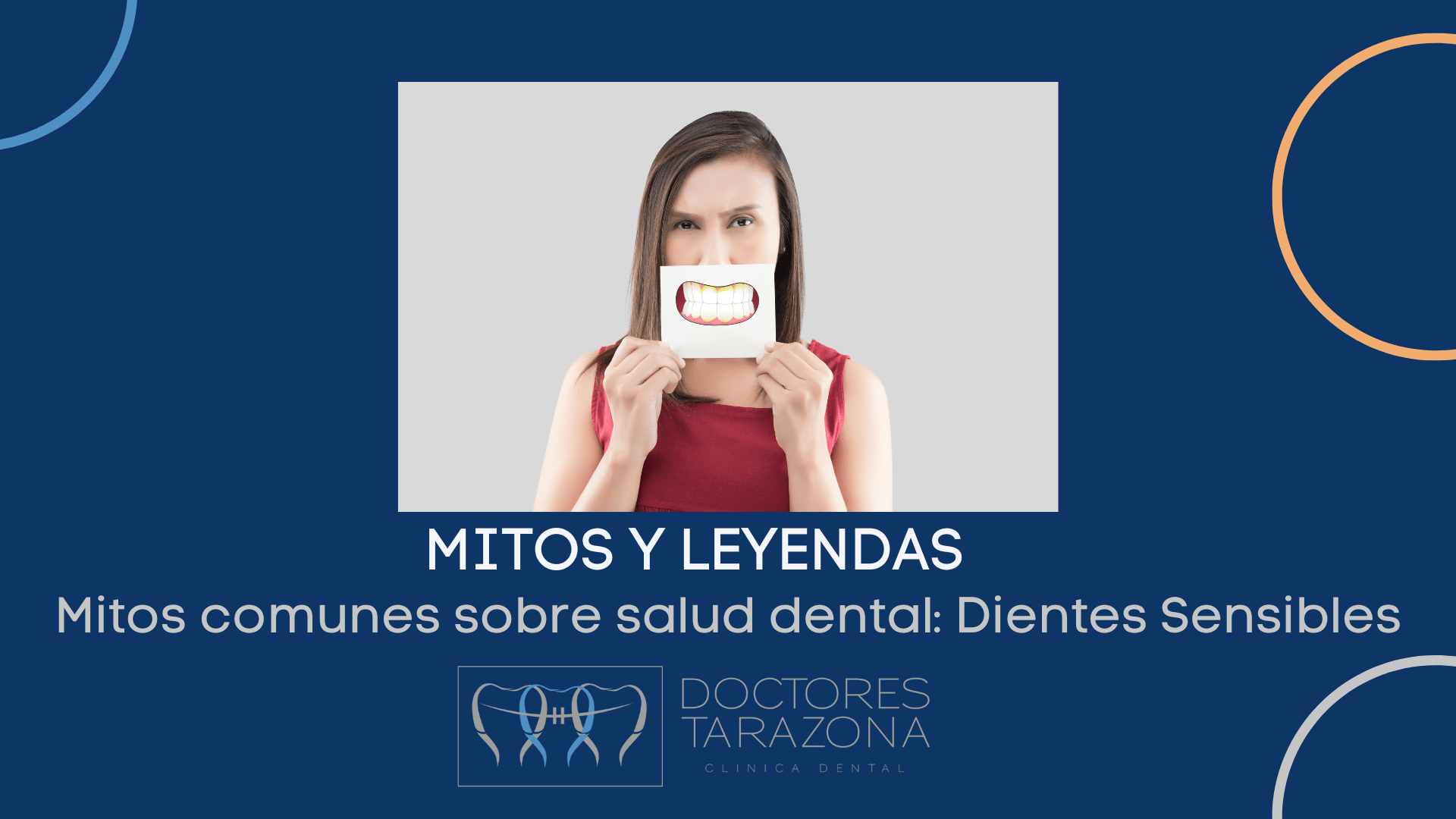
Dental sensitivity is a very common discomfort, characterised by a sharp and brief pain in one or more teeth, when they come into contact with external stimuli, such as cold, heat, sweet or acidic things. Dental sensitivity can affect the quality of life of the people who suffer from it, as it stops them from enjoying certain foods or drinks, or even makes brushing their teeth difficult. But what causes dental sensitivity? Is it always a sign of dental problems? The answer is that it isn’t always, but it is in most cases.
Dental sensitivity occurs when the dentine, the inner layer of the tooth that contains the nerves and the blood vessels, is exposed to the oral environment. This can happen for different reasons.

Sensitive Teeth CAUSES:
– The wear of the enamel, the outer layer of the tooth that protects the dentine. The enamel can erode from the excessive consumption of acidic foods or drinks, from brushing too hard or with an unsuitable brush, from bruxism or grinding of the teeth, or from natural ageing.
– The receding of the gums, which exposes the root of the tooth, where there’s no enamel. The gums can recede from periodontal disease or gingivitis, from poor oral hygiene, from the use of too hard a brush or from an incorrect brushing technique.
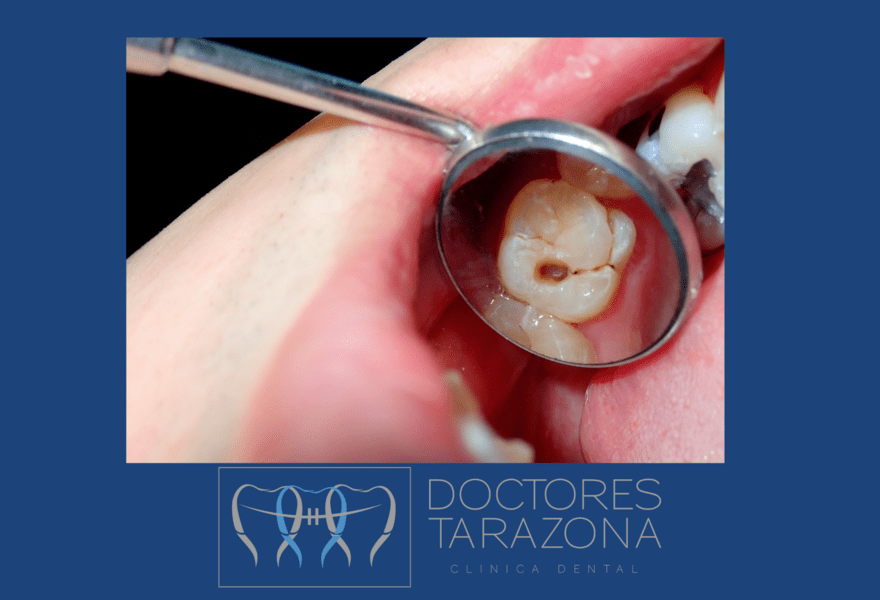
– The presence of cavities, fractures or cracks in the teeth, which can affect the enamel and the dentine, and cause the entry of bacteria and irritating substances into the inside of the tooth.
– The carrying out of dental treatments such as teeth whitening, professional dental cleanings, fillings, crowns or bridges, or dental implants. These treatments can cause a temporary dental sensitivity, which usually disappears in a few days or weeks.

>>> This post may interest you: Dental Sensitivity: Stop Suffering Now! <<<
As you can see, dental sensitivity is usually associated with dental problems that require professional attention. That’s why, if you suffer from frequent or intense dental sensitivity, you shouldn’t ignore it or self-medicate, but go to your dentist as soon as possible.
At Clínica Dental Doctores Tarazona in Valencia we offer you an accurate diagnosis and a personalised treatment to solve your dental sensitivity problem. In addition, we’ll give you advice to prevent and relieve dental sensitivity at home, such as using a specific toothpaste for sensitive teeth, avoiding very cold or hot foods or drinks, using a soft brush and a proper brushing technique, and visiting the dentist regularly. Don’t let dental sensitivity stop you from smiling! Remember that your first visit is free.
In addition, we have the most advanced techniques and the best professionals to guarantee your satisfaction and your safety.
Book your appointment today and get the smile you’ve always wanted!
At Clínica Dental Doctores Tarazona: “We Love Looking After Your Smile”.