Dental Curettage: Do You Know This Periodontics Treatment?
At the Clínica Dental Doctores Tarazona we can offer you all the specialities of Dentistry, being your dental clinic in Valencia.
Among those specialities we find Periodontics, which is the speciality of Dentistry that deals with our gums and the bone around the teeth.
It’s very common to find patients at our clinic who come for a periodontics treatment, and among them one of the most frequent is dental curettage or scaling and root planing.
What is dental curettage?
Dental curettage will be carried out on us when, with a mouth cleaning, we can’t completely clean the teeth. This happens when the plaque and the tartar deposits stay not only on top of the tooth in a visible way but also inside our gums, creating periodontal pockets below the gum that on many occasions we’re unable to see.
This may interest you > Periodontitis, why do my gums bleed?
What’s the difference between curettage and dental cleaning?
Dental curettage is a deeper clean that’s done below the gums, that is, in areas that we don’t see, while dental cleaning is carried out on the teeth, and the interproximal areas (areas between the teeth) that are above the gum. That’s why, usually, to carry out dental curettage it’s necessary to anaesthetise and for a cleaning it isn’t.
But then: is dental curettage the same as scaling and root planing?
Dental curettage is also known as scaling and root planing. It’s usually done by quadrants, that is, they’ll have to do 4 curettages in total if they have to carry out the complete periodontal treatment of the whole mouth, although it isn’t always necessary and sometimes curettages can be done only in certain areas.
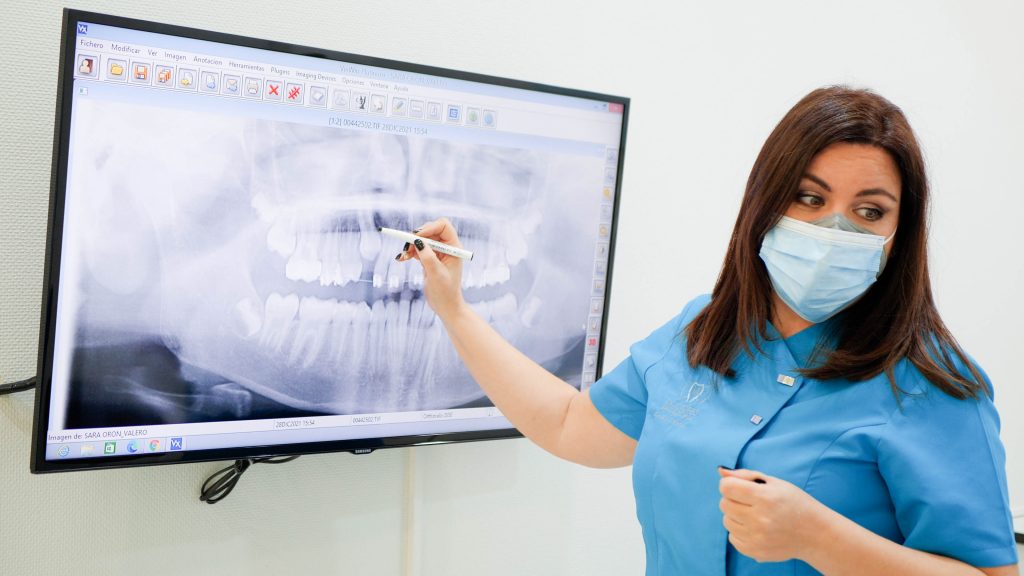
How is dental curettage done? What are its stages?
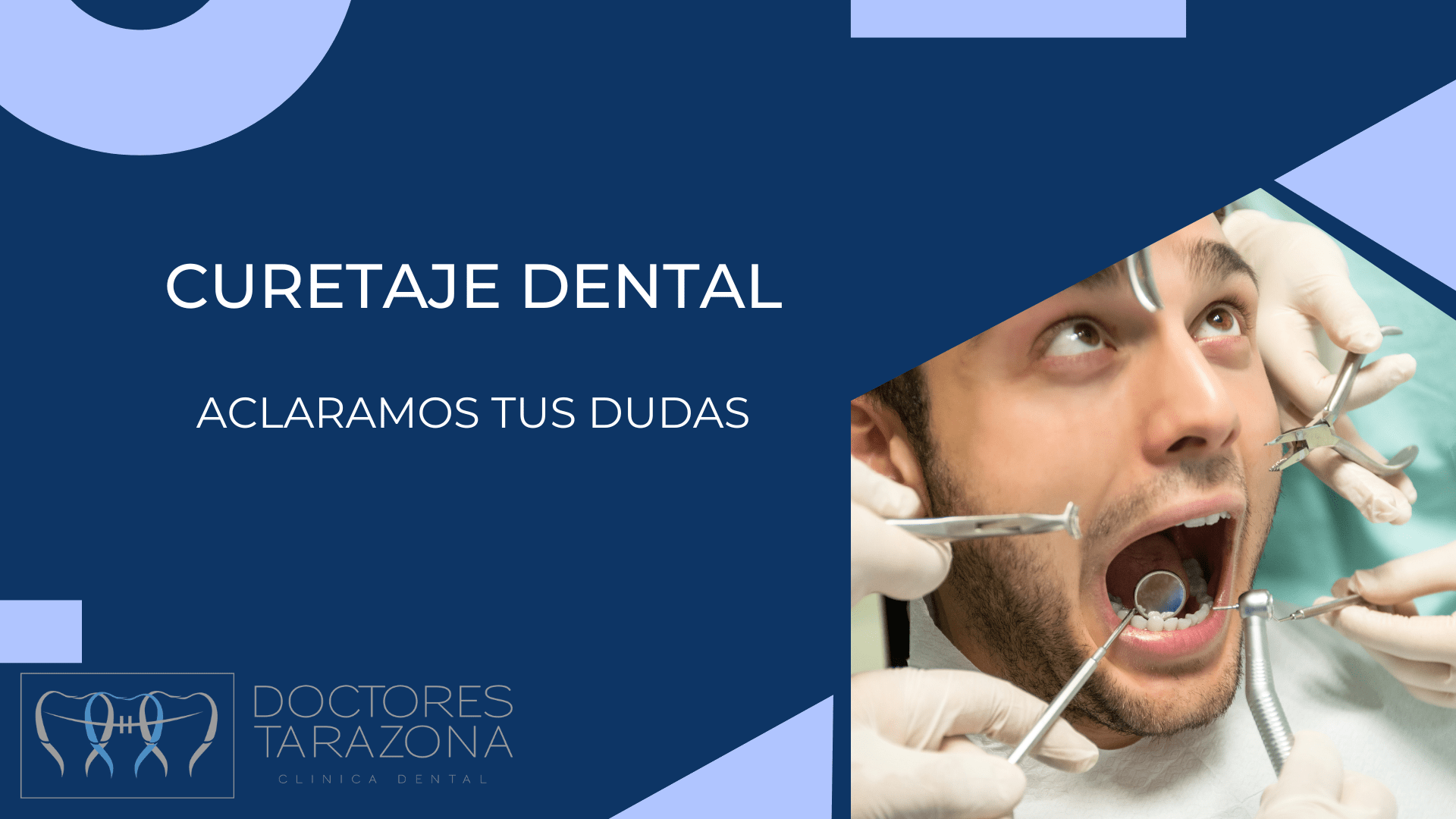
As we mentioned above, the goal of dental curettage is to remove the tartar from below the gums, which is why it’s necessary to anaesthetise. Then, with some instruments called curettes, they’ll clean the area below the gum well, dragging and cleaning the tartar we have, doing the scaling and root planing of the root of the tooth. It isn’t necessary to put in stitches afterwards.
Does dental curettage hurt?
As we’ve explained before, dental curettage requires anaesthetic, as otherwise it would bother us when they clean the area of the root of the teeth below the gum. Depending on the area where they have to do the dental curettage, they’ll apply anaesthetic in one place or another.
Is dental curettage dangerous? Can dental curettage have complications?
Dental curettage is a simple periodontal treatment that doesn’t usually have complications and therefore isn’t dangerous. However, sometimes after the curettage we may notice a little sensitivity in the area that will decrease over the weeks.
Does dental curettage take a long time to heal?
Dental curettage doesn’t need healing; the only thing is that it may give us dental sensitivity in some teeth as we’ve explained above or we may have the gum more inflamed or sensitive in the days afterwards, but we’ll be able to carry on a normal life after the dental curettage, we’ll barely notice any difference before and after the dental curettage.
This may interest you > Cavities: Everything you didn’t know
Advantages and disadvantages of scaling and root planing:
The benefits of dental curettage
Dental curettage is a quick, simple and painless treatment that’s necessary when we have tartar below our gums. Keeping our gums and the bone around the tooth clean will make our teeth stay healthy for many more years.
Contraindications of dental curettage.
There are no absolute contraindications for carrying out dental curettage, but in some patients it will be necessary to give a prior antibiotic prophylaxis, as in other dental treatments, for example in patients with a heart prosthesis.
Patients with heart conditions, diabetics or patients with diseases of insufficient immune response will be able to carry out the treatment as long as they have the appropriate instructions from the doctor.
Dental curettage price
At the Clínica Dental Doctores Tarazona we can offer you all the specialities of Dentistry, being your dental clinic in Valencia.
Among those specialities we find Periodontics, which is the speciality of Dentistry that deals with our gums and the bone around the teeth.
It’s very common to find patients at our clinic who come for a periodontics treatment, and among them one of the most frequent is dental curettage or scaling and root planing.
What is dental curettage?
Dental curettage will be carried out on us when, with a mouth cleaning, we can’t completely clean the teeth. This happens when the plaque and the tartar deposits stay not only on top of the tooth in a visible way but also inside our gums, creating periodontal pockets below the gum that on many occasions we’re unable to see.
This may interest you > Periodontitis, why do my gums bleed?
What’s the difference between curettage and dental cleaning?
Dental curettage is a deeper clean that’s done below the gums, that is, in areas that we don’t see, while dental cleaning is carried out on the teeth, and the interproximal areas (areas between the teeth) that are above the gum. That’s why, usually, to carry out dental curettage it’s necessary to anaesthetise and for a cleaning it isn’t.
But then: is dental curettage the same as scaling and root planing?
Dental curettage is also known as scaling and root planing. It’s usually done by quadrants, that is, they’ll have to do 4 curettages in total if they have to carry out the complete periodontal treatment of the whole mouth, although it isn’t always necessary and sometimes curettages can be done only in certain areas.
How is dental curettage done? What are its stages?
As we mentioned above, the goal of dental curettage is to remove the tartar from below the gums, which is why it’s necessary to anaesthetise. Then, with some instruments called curettes, they’ll clean the area below the gum well, dragging and cleaning the tartar we have, doing the scaling and root planing of the root of the tooth. It isn’t necessary to put in stitches afterwards.
Does dental curettage hurt?
As we’ve explained before, dental curettage requires anaesthetic, as otherwise it would bother us when they clean the area of the root of the teeth below the gum. Depending on the area where they have to do the dental curettage, they’ll apply anaesthetic in one place or another.
Is dental curettage dangerous? Can dental curettage have complications?
Dental curettage is a simple periodontal treatment that doesn’t usually have complications and therefore isn’t dangerous. However, sometimes after the curettage we may notice a little sensitivity in the area that will decrease over the weeks.
Does dental curettage take a long time to heal?
Dental curettage doesn’t need healing; the only thing is that it may give us dental sensitivity in some teeth as we’ve explained above or we may have the gum more inflamed or sensitive in the days afterwards, but we’ll be able to carry on a normal life after the dental curettage, we’ll barely notice any difference before and after the dental curettage.
This may interest you > Cavities: Everything you didn’t know
Advantages and disadvantages of scaling and root planing:
The benefits of dental curettage
Dental curettage is a quick, simple and painless treatment that’s necessary when we have tartar below our gums. Keeping our gums and the bone around the tooth clean will make our teeth stay healthy for many more years.
Contraindications of dental curettage.
There are no absolute contraindications for carrying out dental curettage, but in some patients it will be necessary to give a prior antibiotic prophylaxis, as in other dental treatments, for example in patients with a heart prosthesis.
Patients with heart conditions, diabetics or patients with diseases of insufficient immune response will be able to carry out the treatment as long as they have the appropriate instructions from the doctor.
Dental curettage price
The price of dental curettage will depend on the teeth or the area they have to treat. Usually the periodontal treatment of dental curettage is carried out by quadrant, so the price can range between €60 and €120 depending on the area to be treated and the severity of the disease. Don’t hesitate to contact us to resolve your doubts and book an appointment. At Clínica Dental Doctores Tarazona: We Love Looking After Your Smile!