
Tips to Keep a Healthy and Beautiful Smile
A smile is our calling card and one of the features that defines us the most. A healthy and beautiful smile gives us confidence, security and well-being. In addition, looking after our oral health is essential to prevent diseases and problems that can affect our quality of life.
But how can we keep a healthy and beautiful smile? What habits should we follow and what foods should we avoid? What care should we bear in mind to protect our teeth and gums? What role do visits to the dentist play in keeping a healthy smile?
In this post, we give you some practical and simple tips that will help you show off a healthy and beautiful smile. Take note!

Daily habits to keep a healthy and beautiful smile
The first step to keep a healthy and beautiful smile is to have proper oral hygiene. This involves:
- Brushing your teeth at least three times a day, after every meal, for two minutes, with a fluoride paste and a soft or medium brush that doesn’t damage the enamel or the gums.
- Using dental floss or interproximal brushes at least once a day, preferably at night, to remove the food debris and plaque that build up between the teeth and that the brush can’t reach.
- Cleaning the tongue with a tongue cleaner or with the brush, making soft movements from back to front, to remove the bacteria that cause bad breath and infections.
- Rinsing your mouth with a mouthwash suited to our needs, following the instructions of the dentist or the manufacturer, to complete the oral hygiene and freshen the breath.
- Changing the brush or the head every three months or when the bristles are worn, to ensure an effective clean and avoid the proliferation of microorganisms.
Foods you should avoid to look after your teeth and gums
Diet also influences the health and the beauty of our smile. Some foods can damage our teeth and gums, causing cavities, stains, sensitivity or inflammation. That’s why it’s advisable to avoid or reduce the consumption of:
- Sugars: sugars are the favourite food of the bacteria that form dental plaque, which produces acids that attack the enamel and cause cavities. Sugars are found in sweets, cakes, biscuits, fizzy drinks, industrial juices, etc.
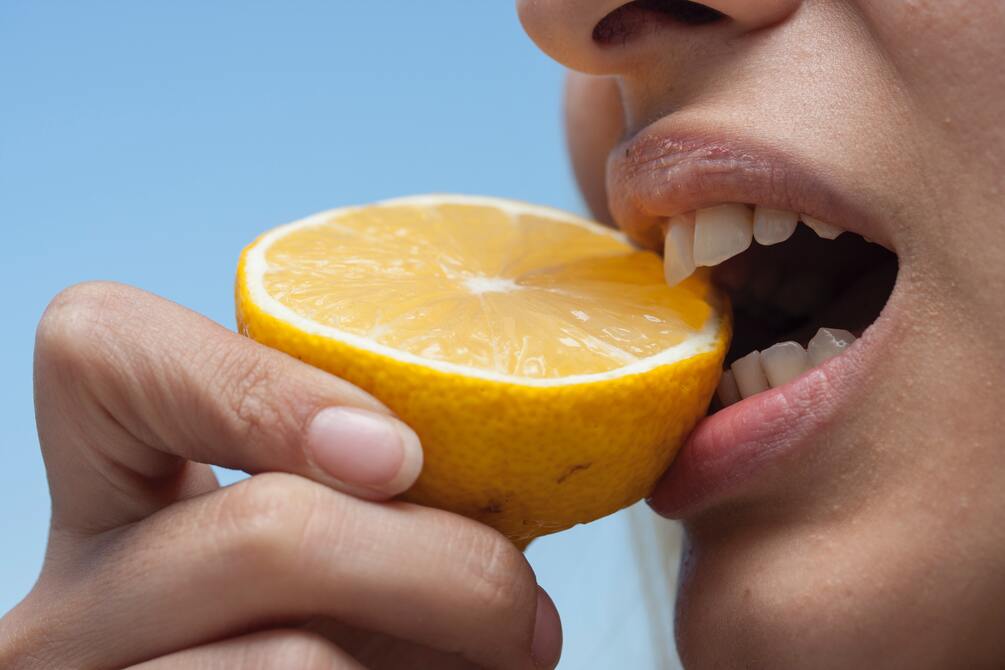
- Acids: acids also erode the enamel and favour the appearance of cavities and dental sensitivity. Acids are found in citrus fruits, vinegar, carbonated drinks, wine, etc.
- Hard or sticky foods: hard or sticky foods can damage our teeth or cause fillings, crowns or implants to come off. Some examples are nuts, popcorn, sweets, chewing gum, etc.
- Foods that stain the teeth: some foods have pigments that can stain our teeth and give them a yellowish or dark appearance. Some examples are coffee, tea, red wine, chocolate, sauces, etc.
The importance of brushing and the use of dental floss for a healthy smile
Brushing and the use of dental floss are the pillars of good oral hygiene, which is essential to keep a healthy and beautiful smile. These habits let us:
- Remove the food debris and plaque that build up on the teeth and the gums, avoiding the formation of tartar, which is the hardened plaque that can only be removed with a professional cleaning.
- Prevent cavities, which are the lesions that occur in the enamel by the action of the acids generated by the bacteria in the plaque. Cavities can cause pain, infection and the loss of the teeth if they aren’t treated in time.
- Prevent periodontal diseases, which are the infections that affect the gums and the bone that holds the teeth in place. Periodontal diseases can cause bleeding, inflammation, receding, mobility and the loss of the teeth if they aren’t treated in time.
- Prevent bad breath, which is the unpleasant smell that’s produced in the mouth by the presence of bacteria, food debris or oral or systemic diseases. Bad breath can affect our self-esteem and our social relationships.
- Keep the teeth white and bright, as brushing and the use of dental floss remove the surface stains that can darken our smile. In addition, brushing stimulates the production of saliva, which has a protective and cleaning effect on our teeth.
How to prevent dental erosion and keep your teeth white
Dental erosion is the wear of the enamel by the action of the acids that come from food or from gastric juices. Dental erosion can cause sensitivity, cavities, fractures and changes of colour in the teeth. To prevent dental erosion and keep your teeth white, we recommend:
- Avoiding or limiting the consumption of acidic foods and drinks, such as citrus fruits, vinegar, carbonated drinks, wine, etc. If you consume them, do it in moderation and preferably during meals.
- Rinsing your mouth with water after consuming acidic foods or drinks, to neutralise the pH and remove the debris. Not brushing your teeth immediately afterwards, as the enamel is weaker and can be damaged more easily.
- Using a fluoride toothpaste, which helps to remineralise the enamel and to protect it from the acids. You can also use a fluoride mouthwash to reinforce the effect.
- Using a soft or medium brush and a soft, circular brushing technique, without exerting much pressure on the teeth. That way you avoid damaging the enamel and the gums.
- Going to the dentist regularly to detect and treat any sign of dental erosion. The dentist can apply preventive or restorative treatments depending on the case, such as sealants, varnishes or reconstructions.
The role of regular dental check-ups in keeping a healthy smile
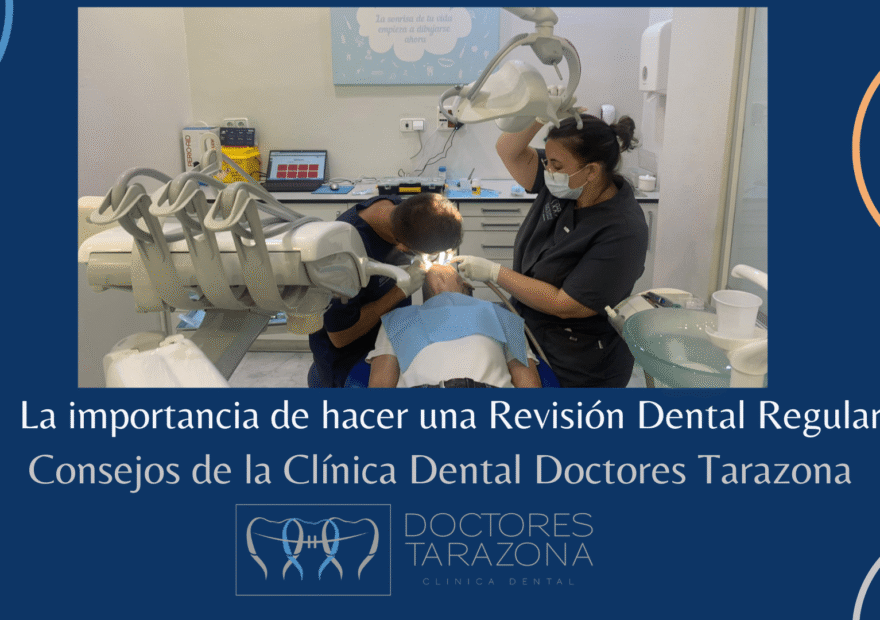
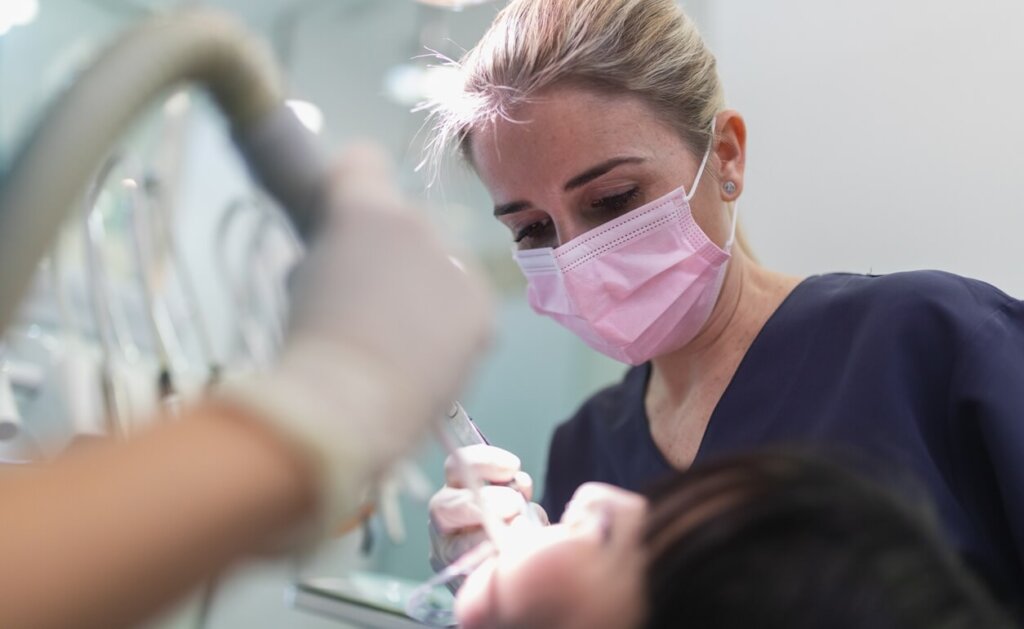
Regular dental check-ups are essential to keep a healthy and beautiful smile. Dental check-ups consist of a complete examination of the mouth and a professional cleaning. These check-ups let us:
- Detect and treat in time any oral problem or disease, such as cavities, periodontal diseases, malocclusion, etc. That way you avoid bigger complications that can require more costly and invasive treatments.
- Remove the tartar and the stains that can’t be removed with daily brushing. Tartar is the hardened plaque that forms on the teeth and the gums by the build-up of bacteria. Tartar can cause inflammation, bleeding and infection in the gums, as well as bad breath and stains on the teeth.
- Prevent systemic diseases that can be related to health
At Clínica Dental Doctores Tarazona:
“We Love Looking After Your Smile” Book your APPOINTMENT!