How to Clean Between Your Teeth Properly and Keep a Healthy Smile
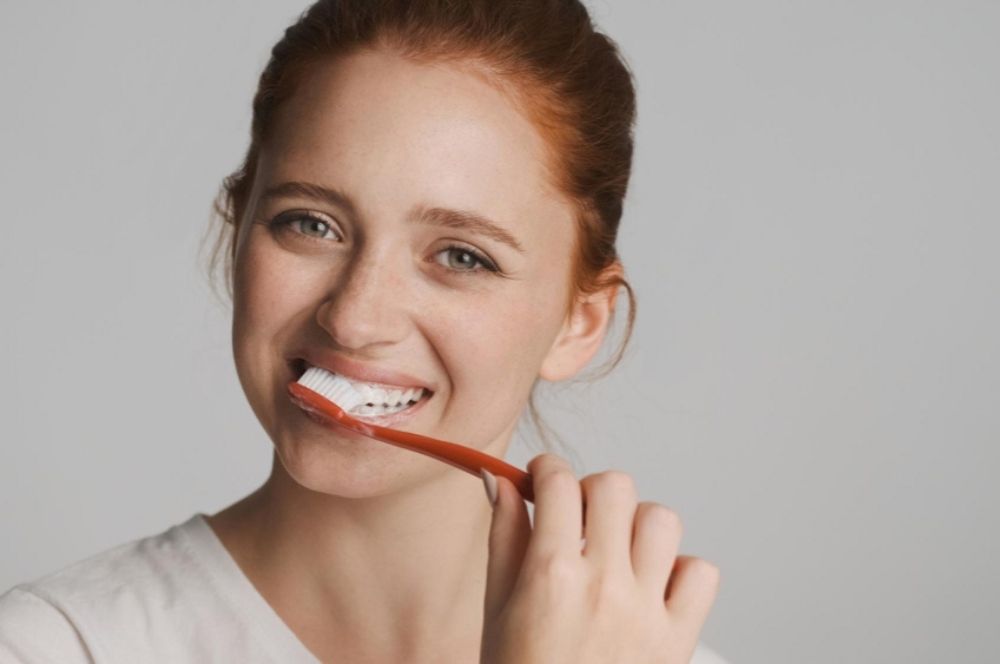
We all know we should brush our teeth daily, but… what about the spaces between the teeth? There, where the brush can’t reach, is where the trickiest plaque starts to form — the kind that later brings cavities, bad breath and gum problems. And yes, it might seem like a minor detail, but learning how to clean between your teeth properly can make the difference between a healthy mouth and one full of trips to the dentist.
Why is interdental cleaning important?
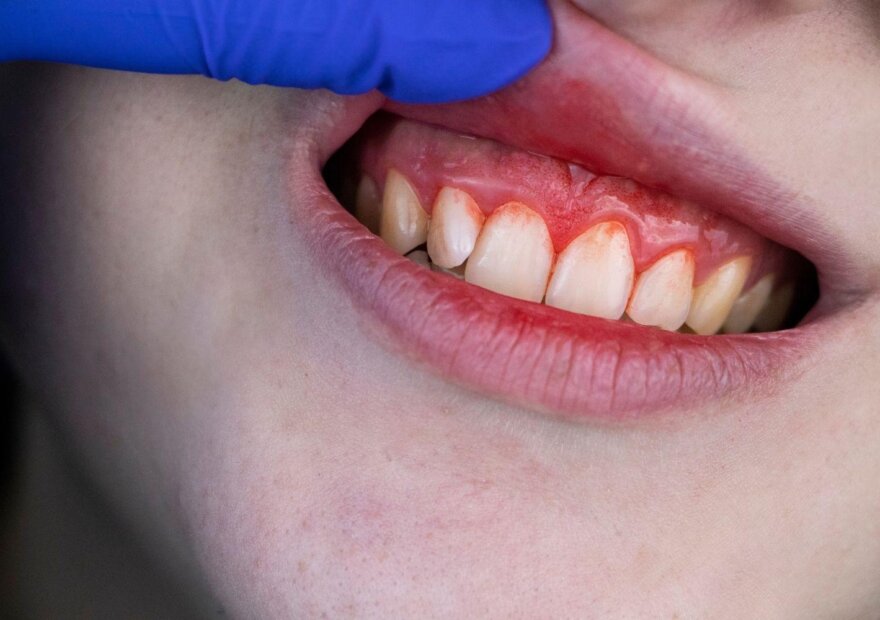
Because brushing alone doesn’t clean everything, that’s the reality. Between each tooth, food debris, bacteria and plaque build up which, if you don’t remove them, can end up causing gingivitis, tartar, cavities… and in more serious cases, even tooth loss.
What’s more, that debris trapped between the teeth can be the culprit behind that persistent bad breath that won’t go away even with gum. So yes, interdental cleaning is just as important as regular brushing.
Effective methods to clean between your teeth
Not every method works for every mouth, but here we explain the three most effective ways and how to use them correctly.
Using dental floss: technique and practical tips
The classic. Dental floss is still one of the best allies for reaching those narrow spaces where the brush has no chance.
How do you use it properly?
- Use about 30-40 cm of floss and wind each end around your middle fingers.
- Slide it gently between the teeth, taking care not to damage the gum.
- Make a “C” shape around the tooth and move the floss up and down, not just once, but several times.
Do it in front of the mirror the first few times. Yes, it can feel like a chore, but once you get into the rhythm, there’s no going back.
Interdental brushes: when and how to use them
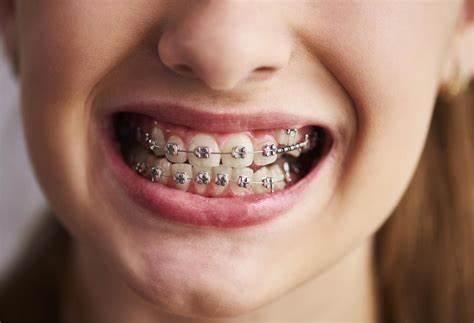
These are little brushes that you insert between the teeth. Ideal if your spaces are a bit wider or you wear orthodontics, implants or bridges.
- Choose the right size (yes, they come in different thicknesses).
- Insert the brush gently, without forcing it.
- Make a small back-and-forth movement, as if you were “sweeping” that hidden area.
The clean feeling they leave is addictive, you’ll see.
Water flossers: are they a good option?
Absolutely. These devices shoot out a jet of pressurised water that helps remove food debris and bacteria between the teeth and below the gum line.
They’re especially useful if you wear orthodontics or struggle to use floss or the little brushes. The best part? They’re comfortable, effective and don’t require much technique, although they don’t completely replace floss or the interdental brush — they complement each other very well.
Common mistakes when cleaning the spaces between your teeth
- Using dental floss too roughly, damaging the gum.
- Not cleaning between the teeth every day.
- Using an interdental brush that’s too big or too small.
- Thinking that mouthwash is enough (spoiler! it isn’t).
Small mistakes like these can undo the effort or even do more harm than good, so watch out for that.
Expert tips for complete oral hygiene
- Clean between your teeth at least once a day, ideally at night.
- Use the right brush and in good condition, changing it every 3 months.
- Combine tools: floss + interdental brush or water flosser, depending on your needs.
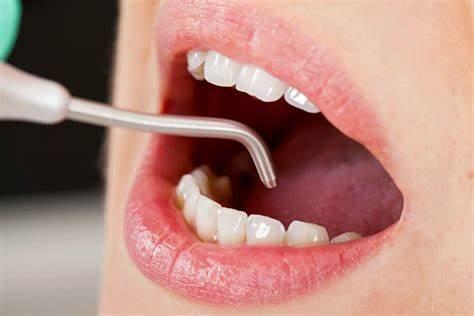
- Have a dental check-up every 6 months to catch any problem in time.
- And if you have doubts about which method is best for you, ask your dentist, that’s what we’re here for.
How often should you clean between your teeth?
The ideal is at least once a day, but if you can do it after your main meals, even better. That said, consistency is enough. It’s not about doing it twenty times badly, but once well.
Recommended products for optimal interdental cleaning
- Waxed or fluoride floss, easier to slide.
- Good-quality interdental brushes, with an ergonomic handle.
- Water flossers with adjustable pressure, if you want comfort without giving up effectiveness.
These days there are options for every taste and need, so it’s a matter of finding what works best for you.
Conclusion: improve your dental health with proper daily cleaning
Cleaning between your teeth isn’t an extra, it’s an essential part of your oral-hygiene routine. If you want to avoid long-term problems, keep your breath fresh and show off a healthy smile, this step can’t be missing. It doesn’t matter whether you choose floss, an interdental brush or a water flosser: what matters is doing it every day and doing it well. And if it’s hard at first, don’t worry… little by little it becomes just another habit, just like brushing. Your mouth, and your dentist, will thank you for it.