The Connection Between Dental Health and Sleep Apnoea
On this occasion we’ll explore the connection between dental health and sleep apnoea, two important aspects of our general well-being. To illustrate this, allow us to share with you the story of Roberto, a young man who has experienced the effects of these disorders first-hand.
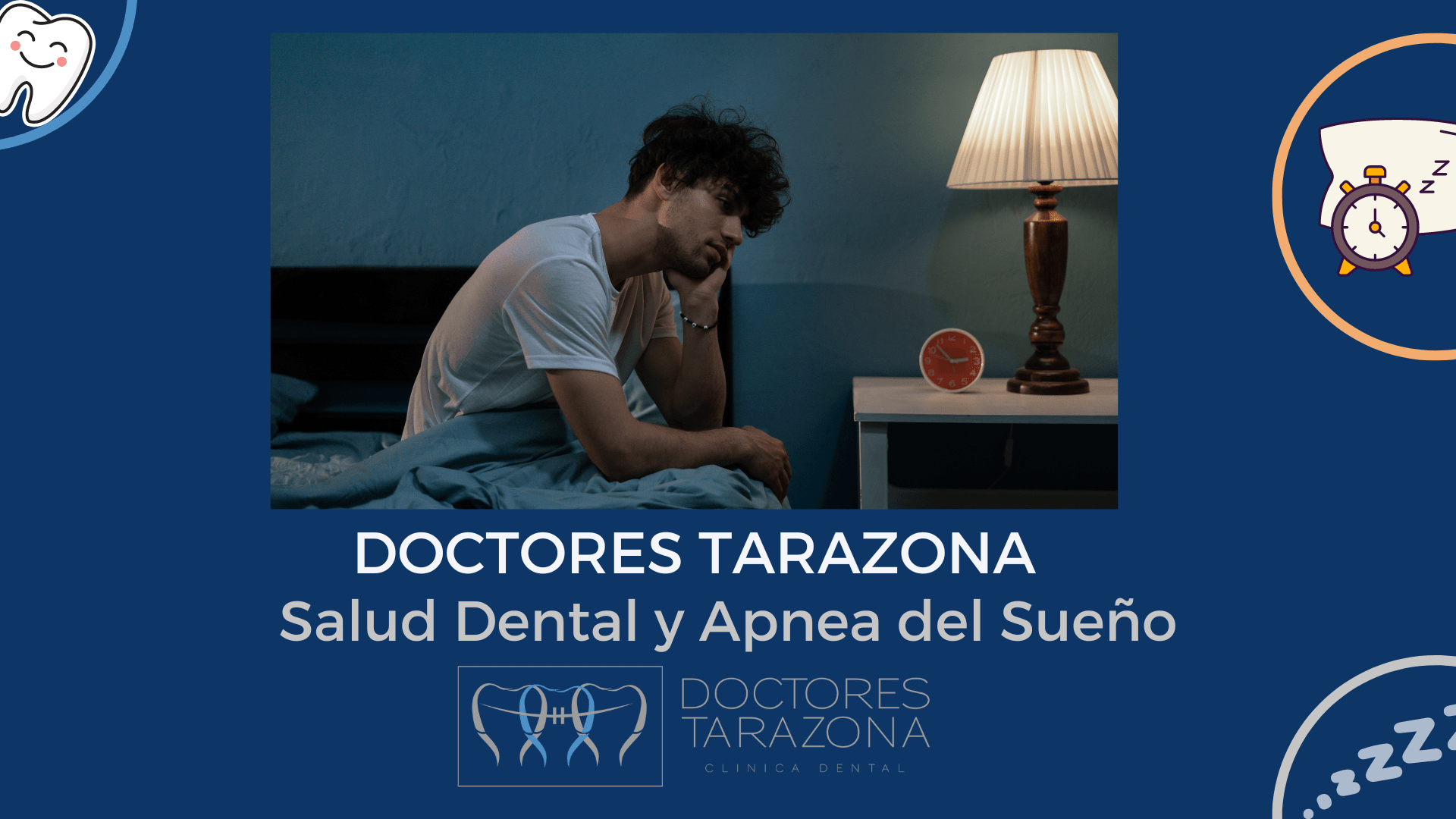
Roberto started to notice problems with his sleep a few years ago. He woke up tired and drowsy, despite supposedly having slept “enough” during the night. In addition, he suffered from frequent headaches and a lack of concentration during the day. These symptoms started to affect his daily life, both at work and in his personal relationships.
Worried about his health, Roberto decided to go to a specialist in sleep disorders, who diagnosed him with obstructive sleep apnoea. They explained that this respiratory disorder involves the partial or total obstruction of the airways during sleep, which causes loud snoring and pauses in breathing. As Roberto looked further into sleep apnoea, he discovered that there were treatments beyond the conventional medical options.
It was then that Roberto consulted us; it was Dr José Pérez who told him about the importance of good dental health in relation to sleep apnoea. He discovered that the position of the jaw and the mouth could influence the obstruction of the airways during sleep. Our doctor recommended exploring dental treatment options, such as oral devices and orthodontic appliances, which could help to open the airways and improve the quality of his sleep, and he was referred to our orthodontics specialist, Dr Beatriz Tarazona.
Roberto started a specific dental treatment for sleep apnoea. Along with his usual daily oral care, the dental devices significantly improved the quality of his sleep. The snoring decreased and the pauses in breathing became less frequent. Over time, Roberto started to feel more rested and full of energy, which improved his quality of life in general.
Roberto’s story shows us how dental health and sleep apnoea are closely connected. Dentistry can play an important role in the treatment of sleep apnoea, helping to improve the quality of sleep and the general well-being of patients. Below, we’ll explore in detail the importance of dentistry in the treatment of sleep apnoea and how proper dental care can make a difference in the lives of people who suffer from sleep disorders.
Key points
- Sleep apnoea can affect people’s quality of life and oral health.
- The position of the jaw and the mouth can influence the obstruction of the airways during sleep.
- Dental treatments, such as oral devices and orthodontic appliances, can help to open the airways and improve the quality of sleep.
- Proper oral hygiene is essential for people who suffer from sleep apnoea.
- Dentistry plays an important role in the comprehensive treatment of sleep apnoea.
The importance of dentistry in the treatment of sleep apnoea
In this section, we’ll focus on the importance of dentistry in the treatment of sleep apnoea. We’ll explain how the position of the jaw and the mouth can affect the obstruction of the airways and how dental treatments, such as orthodontic appliances and oral devices, can help to open the airways and improve the quality of sleep. We’ll also mention the importance of good oral hygiene in patients with sleep apnoea.
Obstructive sleep apnoea is a respiratory disorder that causes recurrent obstructions in the airways during sleep. One of the most common causes of this obstruction is the position of the jaw and the mouth, which can partially or completely block the passage of air. Patients with sleep apnoea usually experience loud snoring and interruptions in breathing during sleep, which negatively affects the quality of rest and general health.
Dentistry plays a crucial role in the treatment of sleep apnoea. Dentists specialising in sleep disorders can design personalised orthodontic appliances that help to adjust the position of the jaw and open the airways. These oral devices, such as mandibular retainers and splints, are comfortable to wear and effective at improving breathing during sleep.
In addition to the orthodontic appliances, dentistry also deals with oral hygiene in patients with sleep apnoea. The build-up of plaque and the lack of attention to oral hygiene can worsen the symptoms of apnoea and contribute to dental problems such as cavities and gum diseases. Dentists can provide specific guidelines and recommendations to help patients maintain good oral health and prevent complications.
In short, dentistry plays an essential role in the treatment of sleep apnoea. Orthodontic appliances and oral devices help to open the airways and improve the quality of sleep, while proper attention to oral hygiene can prevent dental problems and improve health in general. If you suffer from sleep apnoea, it’s important to consult a dentist specialising in sleep disorders to receive the right treatment and improve your quality of life.
“Dentistry plays a crucial role in the treatment of sleep apnoea. Specialist dentists can design personalised orthodontic appliances that help to adjust the position of the jaw and open the airways.”
– Clínica Dental Doctores Tarazona
Conclusions
In conclusion, the connection between dental health and sleep apnoea is undeniable. We’ve learned how sleep disorders can affect oral health and vice versa. It’s essential to address both aspects in a comprehensive way to achieve a better quality of life.
Seeking professional help in the field of dentistry is essential to receive the right treatment. At Clínica Dental Doctores Tarazona we have experts in oral care and the treatment of sleep disorders. Our specialist team and the personalised dental solutions can make a difference in improving your oral health and your rest in general.
Don’t underestimate the importance of proper oral care in patients with sleep apnoea. In addition to seeking treatment for the apnoea, it’s essential to maintain good oral hygiene and make regular visits to the dentist. Prevention and ongoing care are key elements to guarantee a healthy smile and restful sleep.
Frequently Asked Questions:
How does sleep apnoea affect dental health?
Sleep apnoea can have a negative impact on dental health in different ways. Frequent snoring and apnoea episodes can cause dry mouth, which increases the risk of cavities and periodontal diseases. In addition, the lack of oxygen during the apnoea episodes can weaken the tissues of the mouth and the tongue, which can contribute to the appearance of oral problems such as halitosis and oral thrush.
How can dentistry help in the treatment of sleep apnoea?
Dentistry plays a crucial role in the treatment of sleep apnoea. Dental treatments, such as oral devices and orthodontic appliances, can help to keep the airways open by repositioning the jaw and the tongue during sleep. These devices can be an effective alternative to CPAP therapy for people with mild or moderate obstructive sleep apnoea. It’s also important to remember that good oral hygiene is essential to guarantee a successful dental treatment and improve the quality of sleep.
Can orthodontics help in the treatment of sleep apnoea?
Yes, orthodontics can play an important role in the treatment of sleep apnoea. Orthodontic appliances, such as mandibular retainers, can help to reposition the jaw and open the airways during sleep. These devices work to keep the lower jaw slightly forward, thereby avoiding the obstruction of the airways and reducing snoring and apnoea episodes. It’s important to talk to a dentist specialising in sleep disorders to determine whether orthodontics is a suitable option for your case.
What is the recommended dental treatment for sleep apnoea? The recommended dental treatment for sleep apnoea can vary depending on the severity of the disorder and the individual needs of each patient. In mild or moderate cases, oral devices, such as mandibular advancement devices and oral splints, can be effective in keeping the airways open during sleep. In more serious cases, a combination of dental therapy and CPAP therapy may be necessary. It’s important to consult a dentist specialising in sleep disorders to determine the best treatment for you.