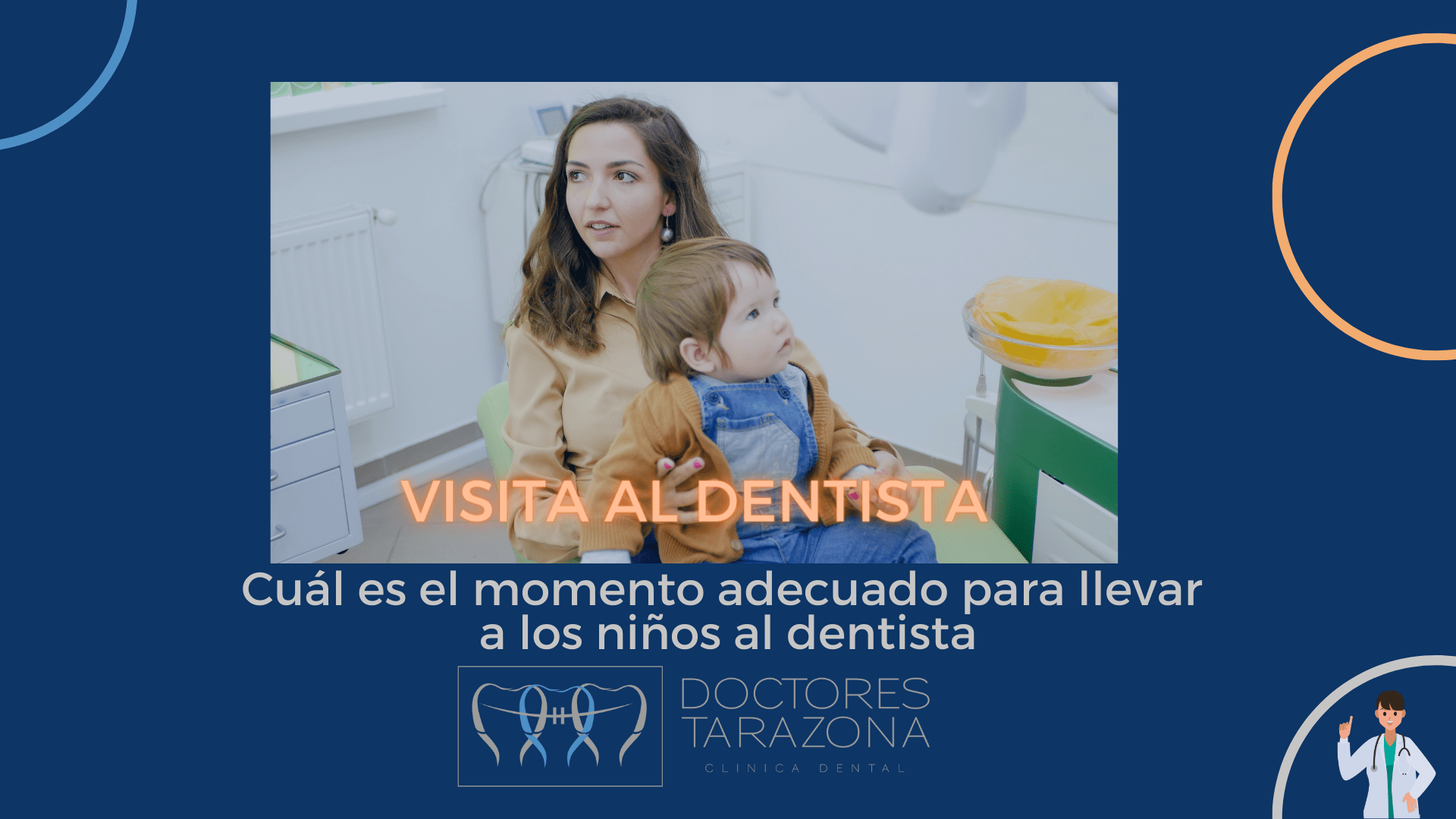
When Is the Right Time to Take Children to the Dentist?
Did you know that your child’s oral health begins from birth? Many parents wonder when they should take their children to the dentist for the first time, and the answer to knowing the right time to take children to the dentist may surprise you: the ideal is to do it before they turn one year old.
Yes, you read that right. Even if your child doesn’t have teeth yet, or only has a few, it’s important that you go to the dentist so they can check their mouth and give you advice on how to look after it. That way you’ll be able to prevent future problems and make sure your child has a healthy and beautiful smile.
In this post we’re going to explain the importance of the first visit to the dentist, how to prepare your child so that it’s a positive experience and what aspects are assessed in the dental development of children. Keep reading and discover everything you need to know! The importance of the first visit to the dentist: When and why to take your child?
The importance of the first visit to the dentist: when and why to take your child?
The first visit to the dentist is essential to prevent and detect possible oral problems in children, such as bottle decay, malocclusions or growth alterations. In addition, it’s an opportunity to establish a relationship of trust between the child, the dentist and the parents, and to educate about the importance of oral hygiene from childhood.
Dentists recommend that the first visit to the dentist be made during the child’s first year of life, or when the first tooth comes through. That way, the child’s dental development can be monitored and possible complications anticipated.
Dental care from childhood: the importance of establishing healthy habits early
Dental care from childhood is key to guaranteeing good oral health throughout life. The habits acquired in the first years are hard to change, so it’s essential that parents teach their children to look after their teeth from a young age.
Dental care from childhood involves:
- Cleaning the baby’s gums with a gauze or a damp cloth after each feed.
- Brushing the child’s teeth with a soft brush and a fluoride paste suited to their age, at least twice a day.
- Avoiding the excessive consumption of sugar and sticky foods that favour the appearance of cavities.
- Encouraging the consumption of water, fruit and vegetables that help to clean the teeth and to strengthen the gums.
- Going to the dentist regularly for check-ups and to apply preventive treatments such as fissure sealing or the application of fluoride.
The first visit to the dentist: what to expect and how to prepare your child for a positive experience
The first visit to the dentist can create anxiety in both parents and children. That’s why it’s important to prepare it in advance and follow some recommendations so that it’s a positive experience.
The first thing you should do is choose a dentist specialising in paediatric dentistry, who has experience and training in dealing with children. A good children’s dentist will know how to create a welcoming and fun environment for the child, how to explain to them what they’re going to do in simple language and how to reward them for their cooperation.
The second thing you should do is talk to your child about the visit to the dentist in advance, but without giving them too many details. Explain to them that the dentist is a kind person who is going to look after their mouth and who is going to teach them interesting things about their teeth. Avoid using negative words such as pain, needle or blood, and don’t tell them about your own negative experiences with the dentist.
The third thing you should do is accompany your child to the dentist and be by their side during the consultation. Convey security and calm with your attitude and your words. Don’t tell them off or pressure them if they get nervous or scared. Let the dentist guide and encourage them. And at the end, congratulate them on their good behaviour and reward them with a hug, a kiss or a small present.
Teething and dental development: when is the right time for evaluation and follow-up
The teething and the dental development of children vary depending on each case, but in general some common stages can be established:
- The first milk teeth usually come through between 6 and 12 months of age, starting with the lower central incisors.
- The complete set of milk teeth forms between 2 and 3 years of age, with a total of 20 teeth: 8 incisors, 4 canines and 8 molars.
- The first permanent teeth usually come through between 6 and 7 years of age, starting with the first molars and the lower central incisors.
- The mixed dentition occurs between 6 and 12 years of age, when milk teeth and permanent teeth coexist. It’s a key stage to detect and correct possible problems of malposition or malocclusion.
- The permanent dentition is completed between 12 and 14 years of age, with a total of 28 teeth: 8 incisors, 4 canines, 8 premolars and 8 molars. The last to come through are the wisdom teeth, which can appear between 17 and 25 years of age or even never come through.
The dentist will assess the state of the dentition and the dental development of the child at each visit, and will tell them when is the right time to carry out treatments such as orthodontics, the extraction of the wisdom teeth or the placement of implants.
Preventing future problems: how early dental care can avoid long-term complications
Early dental care is essential to prevent future problems that may affect the oral and general health of the child. Some of these problems are:
- Tooth decay, which is the destruction of the tooth enamel by the action of the bacteria that feed on food debris. Tooth decay can cause pain, infection and even the loss of the tooth if it isn’t treated in time.
- Gingivitis, which is the inflammation of the gums due to the build-up of plaque. Gingivitis can cause bleeding, redness and irritation of the gums, and if it isn’t treated it can develop into periodontitis, which is the loss of the bone that holds the tooth in place.
- Malocclusion, which is the alteration of the position or the shape of the teeth or the jaws. Malocclusion can make chewing, speaking or breathing difficult, as well as affect facial aesthetics. Malocclusion can be corrected with orthodontics, but the sooner it’s detected the better the result.
Early dental care can avoid these complications through proper oral hygiene, a balanced diet, a periodic check-up and timely preventive treatment.
In short:
As you’ve seen, taking your child to the dentist from the first year of life is very important for their oral health. The dentist will be able to check their mouth, prevent future problems and teach them healthy habits that will stay with them for life.
But it’s not enough to take them to the dentist once. You need to do it regularly, at least once a year, to monitor their dental development and apply the treatments they need at any given moment.
And of course, it’s essential that you choose a good dentist for your child. A dentist who is a specialist in paediatric dentistry, who has experience and training in dealing with children, who offers you a comprehensive and quality service, and who makes you feel comfortable and confident.
Would you like to know an example of a good dentist for your child? We’re a dental clinic in Valencia that has been looking after the oral health of children and families for more than a decade.
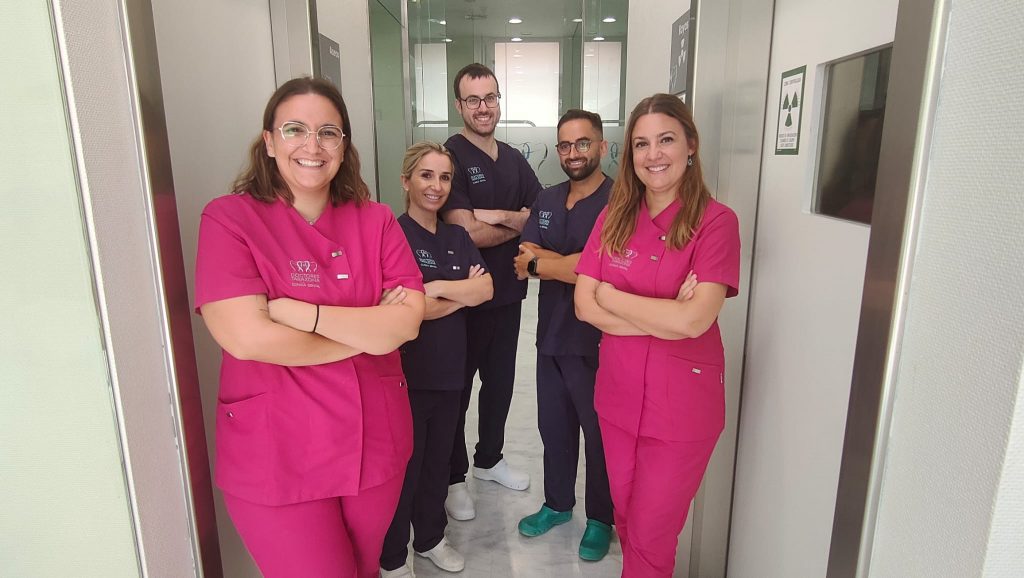
Clínica Dental Doctores Tarazona has a team of highly qualified professionals specialising in paediatric dentistry, orthodontics, implantology, cosmetic dentistry and other areas of dentistry. They offer a comprehensive and personalised service, with the latest technologies and the best materials. And most importantly: we treat every patient as if they were unique, with friendly and human care. Our patients tell us so and recommend us on social media and on Google, being one of the dental clinics in Valencia with the best ratings for care and results.
But don’t take our word for it. The hundreds of satisfied patients who have trusted Clínica Dental Doctores Tarazona to look after their smile tell you so. Like María, a mum of two who tells us about her experience:
“Ever since my children were born, I’ve always taken them to Clínica Dental Doctores Tarazona. A friend who was also a patient recommended it to me and the truth is that I’m delighted. The doctors are very professional and affectionate with the children. They explain everything they’re going to do to them and make them feel comfortable and calm. In addition, they always give me advice on how to look after their teeth and resolve all the doubts I have. My children have healthy and beautiful teeth thanks to them. I recommend them to everyone”.
And you? What are you waiting for to take your child to the dentist? Don’t hesitate any longer: book your appointment today at Clínica Dental Doctores Tarazona and start enjoying a perfect, healthy and beautiful smile.
And don’t forget that at Clínica Dental Doctores Tarazona:
“We Love Looking After Your Smile”