How Many Teeth Do We Have Without Wisdom Teeth? Everything You Need to Know
The question of how many teeth we have, with or without our wisdom teeth, is more common than it seems. Our set of teeth has a fascinating and functional structure, designed to carry out different tasks when eating and speaking. However, wisdom teeth are a special topic, since not all of us develop or keep them. Let’s find out exactly how our teeth are made up and clear up all the doubts.
The structure of our teeth: the total number of teeth
How are the teeth distributed in the mouth? Incisors, canines and premolars
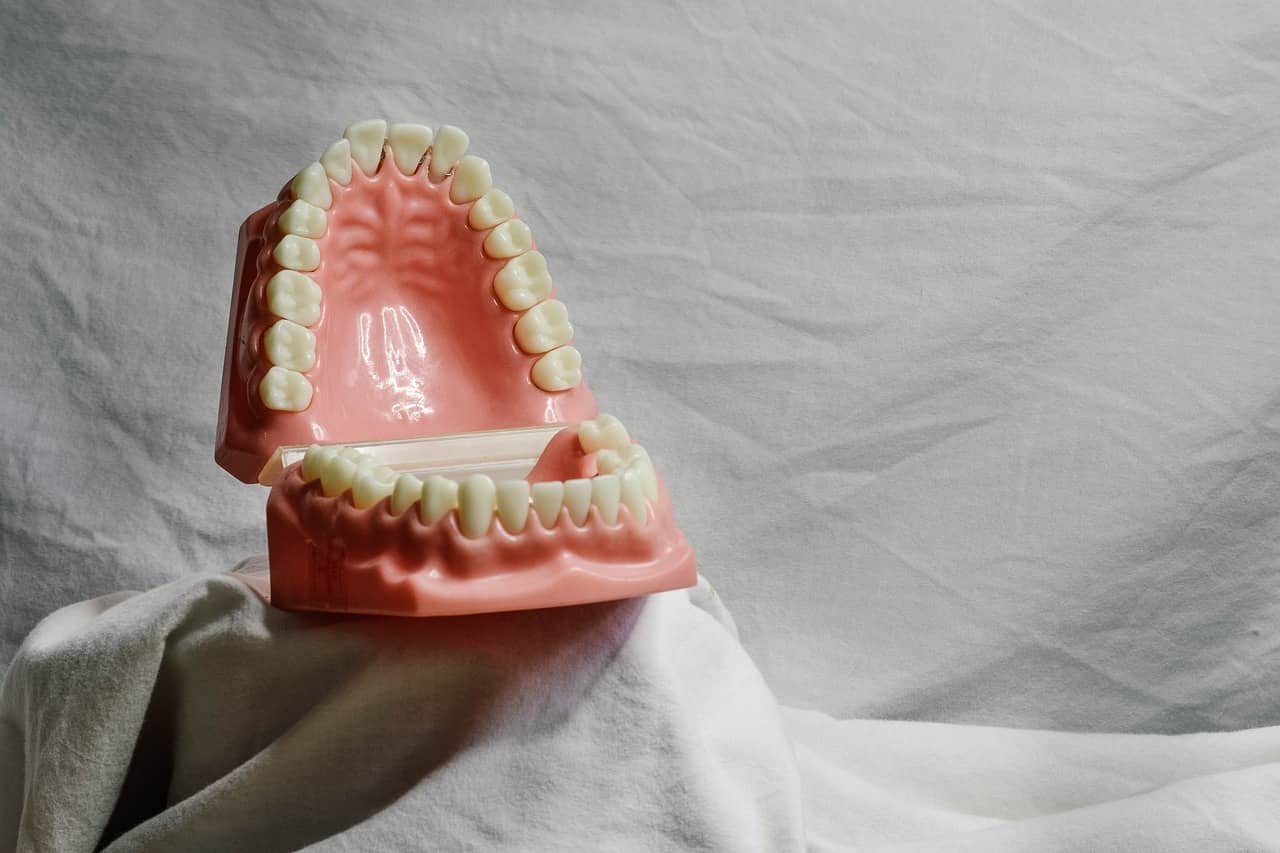
In an adult set of teeth not counting the wisdom teeth, we have 28 teeth distributed as follows:
- 8 incisors: the front teeth, responsible for cutting food.
- 4 canines: the most pointed, in charge of tearing food.
- 8 premolars: located between the canines and the molars, perfect for crushing.
- 8 molars: the large back teeth that chew and grind food.
Each quadrant of the mouth (upper and lower, left and right) has a balanced number of these teeth.
The differences between children’s and adults’ teeth
In children, the baby teeth (or milk teeth) consist of 20 teeth. These start to come through at around 6 months and are gradually replaced by the permanent teeth from the age of 6. The adult set of teeth, on the other hand, has a maximum of 32 teeth if we include the wisdom teeth.
What are wisdom teeth and when do they appear?
Their role in human evolution
Wisdom teeth, or third molars, were essential for our ancestors, who had a harder diet based on roots and raw meats. Over time, our jaw has evolved to be smaller, which makes them less necessary and even problematic nowadays.
Why not everyone develops wisdom teeth
Not everyone develops these teeth. This is down to genetic and evolutionary reasons. In some cases, the wisdom teeth are present but don’t erupt, remaining “impacted” inside the gum.
How many teeth do we have with our wisdom teeth?
The total number of teeth in a complete set
If you have all your wisdom teeth, your set of teeth will have 32 teeth in total: the 28 standard teeth plus 4 wisdom teeth (one in each quadrant).
Cases where the wisdom teeth don’t erupt
In many people, the wisdom teeth don’t erupt fully or remain completely inside the jawbone. This can happen due to a lack of space in the jaw or poor positioning of the teeth.
Common problems related to wisdom teeth
The impact on the rest of the teeth
When there isn’t enough space in the jaw, the wisdom teeth can push the neighbouring teeth, causing dental crowding or pain. This is especially problematic if you’ve already had orthodontics.
Reasons to extract the wisdom teeth
Among the most common reasons to extract them are:
- Pain or inflammation due to poor positioning.
- Frequent infections, such as pericoronitis, caused by the tissue around a partially erupted tooth.
- Difficulty cleaning them, which increases the risk of cavities and gum problems.
What happens if we don’t have wisdom teeth?
Is it normal not to have them? Genetic reasons and evolution
Yes, it’s completely normal not to develop wisdom teeth. It’s estimated that between 20% and 30% of people are born without at least one wisdom tooth. This is down to evolution, since our modern diet doesn’t need the third molars to chew food.
Conclusion: with or without wisdom teeth, this is how your teeth are made up
Your set of teeth is designed to work perfectly with 28 teeth, and if you have wisdom teeth, you’ll add up to 32. Whether or not you have these teeth, what matters is to keep up good oral hygiene and have regular check-ups with your dentist. That way you’ll make sure your smile is always healthy and functional. If you have doubts or discomfort related to your wisdom teeth, don’t hesitate to ask us. We’re here to help you look after your oral health!