How to Use an Electric Toothbrush: Practical Tips to Get the Most Out of It
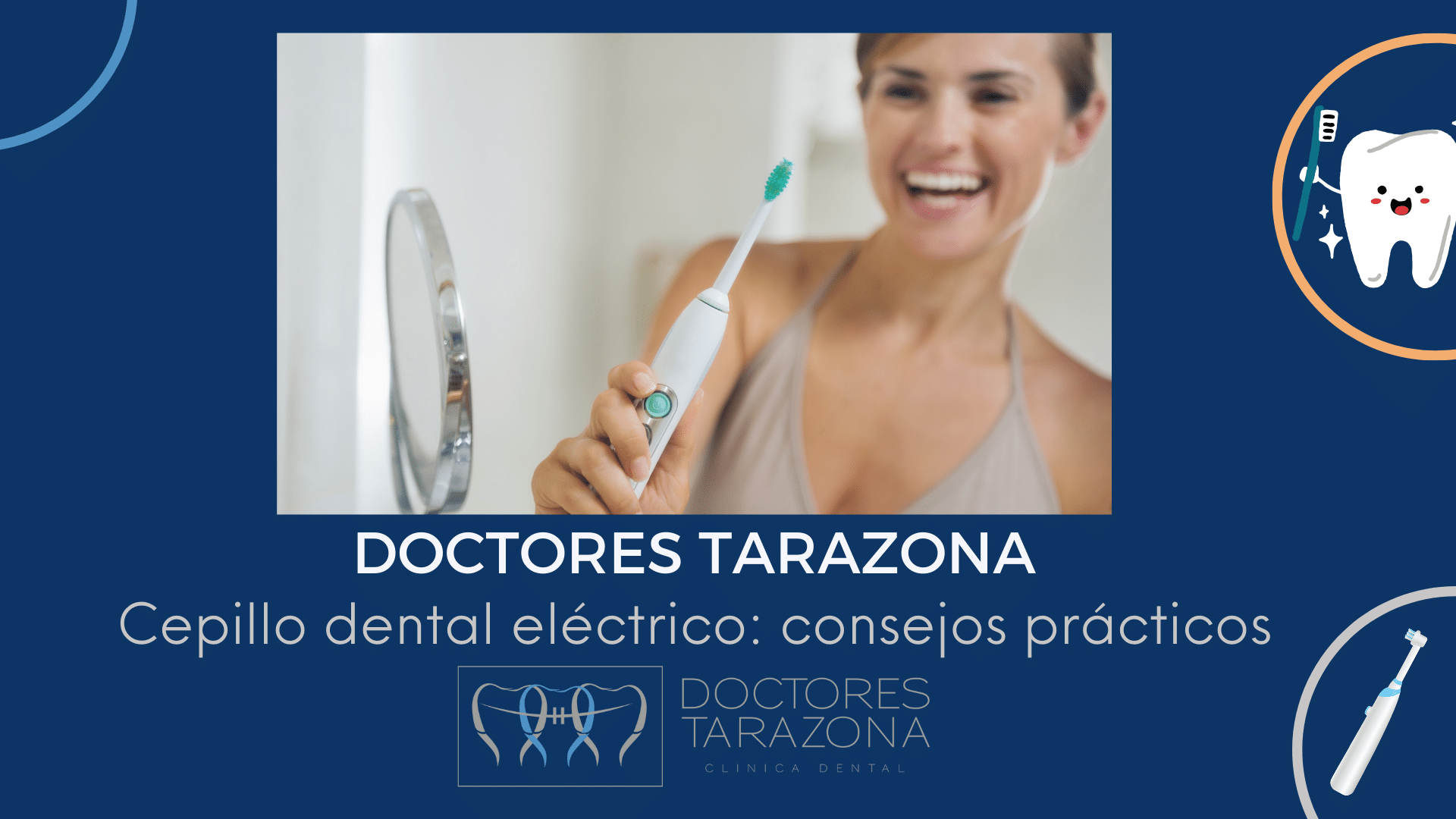
The electric toothbrush is an increasingly popular option for maintaining good oral hygiene. In this section, we’ll give you some practical tips on how to use an electric toothbrush efficiently and get the best results for your oral health.
The highlights
- Learn to use an electric toothbrush efficiently
- Get the best results for your oral health
- Follow our practical tips to get the most out of it
Why choose an electric toothbrush over a conventional one
There are several reasons to choose an electric toothbrush over a conventional one. Electric toothbrushes offer a more comfortable, effective and gentle clean, thanks to their advanced technology. In addition, they have timers that help you control the brushing time. There’s also a wide variety of models designed for different needs, such as sensitive teeth, whitening, sensitive gums, among others.
The electric toothbrush offers a more comfortable and effective clean.” – Dr Marta García, dentist.
Unlike conventional brushes, electric toothbrushes use vibrating or rotating movements to remove plaque more effectively. These movements are more effective at reaching the hardest-to-reach areas, such as the interdental spaces and below the gum line. This helps to prevent plaque build-up, reducing the risk of cavities and periodontal diseases.
Another advantage of electric toothbrushes is their timer technology, which helps you make sure you brush for the time recommended by dentists, which is at least 2 minutes. Many people tend to brush for less time with conventional brushes, which can leave a greater amount of plaque on the teeth.
Electric toothbrushes designed for every need
The manufacturers of electric toothbrushes offer a wide variety of models designed to address different dental needs. This includes brushes specially designed for people with sensitive teeth, sensitive gums, orthodontics or dental treatments, whitening, among others.
If you have sensitive teeth, you can opt for an electric toothbrush with soft, sensitive bristles to reduce irritation. For those who have orthodontics or dental treatments, there are brushes with pressure sensors that will alert you if you’re applying too much force on the braces or wires.
There are even electric toothbrushes specifically designed for teeth whitening. These brushes have special cleaning modes and bristles designed to remove surface stains from the teeth, helping to keep them whiter and brighter.
In short, electric toothbrushes offer a number of advantages over conventional brushes. Their advanced technology, combined with the variety of models available, provides a more comfortable, effective and personalised clean for every dental need.
Types of electric toothbrushes
On the market there are different types of electric toothbrushes, each with its own specific features and advantages. Below, we present the most common types:
- Rotating brushes: These brushes have a round head that makes rotating movements. They’re effective at removing plaque and keeping a deep clean.
- Sonic brushes: They’re designed to reach difficult areas, such as below the gum line. They use high-frequency vibrations to provide a meticulous clean.
- Ultrasonic brushes: They use high-speed vibrations that break up the chains of bacteria and remove plaque effectively. They’re ideal for those looking for a deep and complete clean.
- Brushes with a pressure sensor: These brushes are perfect for people with orthodontics or dental treatments. They have sensors that indicate if you’re applying too much pressure when brushing, avoiding damage to your teeth and gums.
- Brushes for children: Specially designed for the little ones, these brushes have a suitable size and an attractive design that makes them appealing and fun for children. They’re an excellent option for teaching them good oral hygiene habits.
- Brushes with an irrigator: These brushes incorporate an oral irrigator that lets you clean the interdental spaces and massage the gums. They’re ideal for complementing brushing and achieving comprehensive oral hygiene.
- Battery-powered brushes: These brushes are ideal for those who prefer not to depend on a rechargeable battery. They work with batteries and offer an effective and convenient clean.
Selecting the right type of electric toothbrush depends on your personal needs and preferences. Consider the benefits and features of each type to find the one that best suits you.
Tips to get the most out of my electric toothbrush
To make the most of your electric toothbrush, we offer you some practical tips that will help you improve your brushing routine:
- Divide your mouth into four zones: Imagine that your mouth is divided into four sections: upper left, upper right, lower left and lower right. Dedicate about 30 seconds to cleaning each of these zones, making sure you cover all the areas of your mouth.
- Place the brush at a 45-degree angle: For an effective clean, make sure you place the brush at a 45-degree angle to the gum line. This will allow you to reach the hardest areas and remove the plaque efficiently.
- Glide gently over all the teeth: With soft, circular movements, glide the brush over all your teeth. Pay special attention to the inner face of the teeth, as it’s often neglected and prone to plaque build-up.
- Don’t forget to brush the tongue and gums: In addition to brushing your teeth, it’s important to dedicate time to cleaning your tongue and gently massaging your gums. These areas can also harbour bacteria and food debris, so it’s essential to include them in your brushing routine.
- Change the head regularly: Finally, remember to change the head of your electric toothbrush every 3 months or according to the manufacturer’s recommendations. Worn heads can lose effectiveness and not provide a proper clean.
Remember that following these tips will help you get the most out of your electric toothbrush and maintain optimal oral health.
How good is brushing your teeth with an electric toothbrush?
Using an electric toothbrush has many benefits for oral health. These brushes allow a more efficient clean, significantly reducing the plaque that can cause cavities and gingivitis. In addition, they help to protect the tooth enamel by avoiding abrasion of the surface of the teeth. Electric toothbrushes are comfortable to use and keep good oral hygiene.
The effectiveness of an electric toothbrush lies in its ability to remove plaque more effectively than a manual brush. The action of the electric bristles helps to reach difficult areas, such as the interdental spaces and below the gum line.
“Properly removing plaque is essential to prevent the formation of cavities and the appearance of periodontal diseases. The use of an electric toothbrush can be a very effective tool in this regard.”
Electric toothbrushes are also especially beneficial for people who have physical difficulties or limited dexterity in manual brushing. Brushing with an electric toothbrush can be easier and less physically demanding.
In addition, many electric toothbrushes have timers that guarantee a proper brushing time. This is important, as the recommended duration for a complete brushing is at least 2 minutes.
In short, brushing your teeth with an electric toothbrush is an excellent way to maintain good oral health. These brushes offer a more efficient and comfortable clean, reducing plaque and protecting the tooth enamel. Remember to choose a quality brush and follow a regular brushing routine to get the best results.
How many times should you use an electric toothbrush?
You can use your electric toothbrush every day, up to 3 times a day after each meal. It’s important to keep a constant frequency to ensure a proper clean and good oral health.
The regular use of the electric toothbrush is essential to maintain optimal oral hygiene. The advanced technology of the electric toothbrush makes it easier to remove plaque and food debris, providing a deeper clean.
Using the electric toothbrush after every meal helps to prevent oral diseases such as cavities, gingivitis and plaque build-up. By brushing your mouth constantly, you’ll be protecting your teeth and gums more effectively.
For the best results, make sure you brush each zone of your mouth for at least two minutes. Pay special attention to the back teeth and the gum line, as they’re areas prone to plaque build-up and cavities.
- Gently brush the teeth in circular movements.
- Don’t forget to brush the tongue to remove bacteria and bad smells.
- Use fluoride toothpaste to strengthen the tooth enamel and prevent the formation of cavities.
- Remember to replace the head of your electric toothbrush every three months to keep it effective.
With the electric toothbrush, you’ll be able to maximise the cleaning of your mouth and enjoy optimal oral health.
Benefits of using the electric toothbrush daily:
- A more efficient and deeper clean.
- Prevention of oral diseases such as cavities and gingivitis.
- More effective removal of plaque.
- Protection of the tooth enamel by avoiding abrasion.
Remember that, in addition to using the electric toothbrush, it’s important to complement your oral hygiene routine with the use of dental floss and mouthwash to get a complete clean.
What is the ideal time to brush your teeth?
The ideal time to brush your teeth is at least 2 minutes. This recommendation comes from dentists and dentistry professionals, who suggest this time to ensure a proper clean and the removal of food debris.
Brushing your teeth for 2 minutes allows you to make sure that all the areas of the mouth are cleaned effectively. During this time, you can reach the hard-to-access areas and remove the plaque built up on the teeth and gums.
The dentists recommend dividing the mouth into four quadrants and dedicating 30 seconds to each one to ensure a complete clean. It’s important to use soft, circular movements, using the right technique to avoid damaging the gums or the tooth enamel.
A study carried out by dentistry specialists revealed that most people don’t dedicate enough time to brushing. By brushing for at least 2 minutes, you’re following the recommendation of oral health professionals and improving your dental hygiene.
Other important recommendations:
- Use a quality toothbrush with soft bristles.
- Use a fluoride toothpaste to strengthen the tooth enamel.
- Change your toothbrush every 3 months or when the bristles are worn.
- Don’t forget to brush the tongue to remove the bacteria that cause bad breath.
- Complement the brushing with the use of dental floss and mouthwash.
Remember that the ideal time to brush your teeth not only ensures a proper clean, but also contributes to maintaining good oral health. Consult your dentist regularly to receive a complete evaluation of your dental health and personalised recommendations.
“Brushing your teeth for at least 2 minutes is crucial for a proper clean and to maintain good oral health”. – Dr Pedro Fernández, dentist
Table: Comparison of brushing time in different age groups
| Age Group | Recommended Time to Brush Your Teeth |
|---|---|
| Children (6-12 years) | 2 minutes |
| Teenagers (13-19 years) | 3 minutes |
| Adults (20-64 years) | 3 minutes |
| Older adults (65+ years) | 3 minutes |
From what age can you use an electric toothbrush?
Children can start to use electric toothbrushes from the age of 6. There are models specially designed for children, with features adapted to their needs and oral sensitivity. It’s important to supervise children while they use the brush to make sure they do it properly.
The recommended age to start using an electric toothbrush is from 6 years old, when children have better coordination and can handle the brush safely. Electric toothbrushes for children are designed with softer bristles and smaller heads to fit their growing mouths and teeth. In addition, some models have fun lights or melodies to make brushing a more pleasant and motivating experience.
It’s essential to teach children the proper brushing technique from an early age. This includes brushing all the surfaces of the teeth for at least two minutes, paying special attention to the hard-to-access areas, such as the back molars. It’s also important to emphasise the importance of brushing the tongue and gums for a complete clean.
Children should be supervised during brushing to make sure they follow the recommendations and don’t injure their gums or teeth. It’s also advisable to replace the head of the brush periodically, about every three months or according to the manufacturer’s instructions, to keep the brushing effective.
| Recommended age to use an electric toothbrush | Advantages of the electric toothbrush for children |
|---|---|
| 6 years and over | – Head and bristles adapted to the size and sensitivity of children – Attractive and fun design – Some models with melodies or lights – Greater cleaning effectiveness than manual brushes |
In short, children can start to use an electric toothbrush from the age of 6. These brushes are specially designed for them, with features that fit their needs and oral sensitivity. However, it’s important to supervise children during brushing to make sure they do it properly and to teach them the right technique from an early age.
TOP 7 best electric toothbrushes
In this section, we present you with a list of the 7 best electric toothbrushes available on the market. These brushes have been chosen on the basis of their quality, features and user reviews.
| Brand | Model | Standout features | Price | User reviews |
|---|---|---|---|---|
| Oral-B | Genius X | Position detection technology, pressure sensor, timer. | €150 | ★★★★★ |
| Philips Sonicare | DiamondClean Smart | 5 cleaning modes, pressure sensor, head replacement alerts. | €200 | ★★★★★ |
| Waterpik | Sonic Fusion | Sonic brushing and water flossing in a single device, timer. | €170 | ★★★★☆ |
| Oral-B | Pro 2 2500 CrossAction | 2 cleaning modes, pressure sensor, timer. | €70 | ★★★★☆ |
| Philips Sonicare | ProtectiveClean 5100 | 3 cleaning modes, pressure sensor, timer. | €120 | ★★★★☆ |
| Waterpik | Complete Care 9.0 | 2 in 1: sonic brushing and water flossing, timer. | €160 | ★★★★★ |
| Oral-B | Vitality 100 CrossAction | 1 cleaning mode, timer. | €30 | ★★★★☆ |
These electric toothbrushes offer a variety of features and prices to suit different needs and budgets. The user reviews reflect the general satisfaction with the performance and quality of each brush. Choose the electric toothbrush that best fits your preferences and improve your oral care routine!
Brands of electric toothbrushes
On the market there are several well-known brands of electric toothbrushes. Some of the most popular and reliable are Oral-B, Philips Sonicare and Waterpik. Each one has its own range of products with different features and prices, to suit each person’s needs.
| Brand | Standout models | Main features | Approximate price |
|---|---|---|---|
| Oral-B | Genius X, Pro 2 | Interchangeable heads, pressure sensors, built-in timer | Between €50 and €150 |
| Philips Sonicare | DiamondClean, ProtectiveClean | Sonic technology, personalised cleaning modes, Smartimer timer | Between €70 and €200 |
| Waterpik | Sonic Fusion, Complete Care | Sonic brushing and water flossing, pressure control, 2-minute timer | Between €100 and €250 |
These brands have proven to offer quality and excellent results in dental cleaning. Their products have advanced technology and ergonomic designs that make them easy to use and guarantee an effective clean. Before choosing an electric toothbrush, it’s advisable to research the different brands, compare features and read user reviews to find the one that best suits your needs and preferences.
Comparison of the best electric toothbrushes
In this section, we offer you a detailed comparison of the best electric toothbrushes on the market. We’ll analyse features such as the brushing technology, cleaning modes, battery life, price and user reviews. This will help you choose the electric toothbrush that best suits your needs and preferences.
To make the comparison, we carefully selected the best electric toothbrushes available on the Spanish market. Below, we present you with a detailed table with the relevant information for each model:
| Brand and model | Brushing technology | Cleaning modes | Battery life | Price | User reviews |
|---|---|---|---|---|---|
| Oral-B Genius X | Oscillating and pulsating technology | 6 cleaning modes | 2 weeks | €199.90 | ★★★★★ |
| Philips Sonicare DiamondClean | Sonic technology | 5 cleaning modes | 3 weeks | €249.99 | ★★★★☆ |
| Waterpik Complete Care 9.0 | Sonic brushing and water jet technology | 5 cleaning modes | 4 weeks | €149.99 | ★★★★★ |
Remember that the price and user reviews can vary, so we recommend visiting the manufacturers’ pages and reading reviews from other users before making your final choice.
With this comparison, we hope to have provided you with the information you need to make an informed decision about which electric toothbrush to buy. Choose the one that best suits your needs and start enjoying a more efficient and effective oral clean!
Conclusion
In conclusion, using an electric toothbrush can significantly improve your oral hygiene. These brushes offer a more efficient and comfortable clean, with optimal results for the health of your teeth and gums.
When choosing an electric toothbrush, it’s important to take into account the features that best suit your needs and preferences. Consider the brushing technology, cleaning modes and battery life. In addition, check the prices and the user reviews to make an informed decision.
Don’t forget to follow the practical tips mentioned above to get the most out of your electric toothbrush. Remember to divide your mouth into zones, brush gently and change the head regularly.
In short, choose your electric toothbrush wisely and enjoy better oral health. Don’t hesitate to share your experiences with us about which electric toothbrush to choose!