Parents’ Guide: Babies and Teeth
We bring you “The Guide” so that you know everything you need about a subject that always worries mums and dads a lot: “babies and teeth“, that is, oral health in babies, and the thing is that it’s very important to start this care early. Children’s dental care should begin when the first tooth comes through, around 6 months. Although there are babies who can take longer and whose first tooth doesn’t come through until 18 months. It’s essential to teach children to brush well and to visit the dentist. Paediatric dentists such as those at the Clínica Dental Doctores Tarazona can help right from the start.
It’s essential to choose a good brush and fluoride toothpaste. Starting this care when they’re babies prevents problems later on. In addition, it’s the first step to keeping good oral health in the future.
Introduction to children’s teething
Babies and teeth: Children’s teething is crucial for the growth of children. The first teeth usually come through at 6 months, but we have to bear in mind that every baby is different and there can be variations in the timings. In about two years, 20 temporary teeth will come through and complete their set. Those teeth include incisors, canines and molars.
Understanding the importance of looking after the teeth from an early age is key. Before the first teeth come through, cleaning the gums with cloths is recommended. At Clínica Dental Doctores Tarazona we stress oral care to avoid problems such as bottle decay. Diet and habits such as the use of the dummy also affect dental health in the early years.
Around 6 years old, the milk teeth start to fall out. The first permanent teeth appear, starting with the incisors and molars. Up to 25 years old, this change of teeth will continue.
“Careful observation with a specialist dentist is vital to avoid long-term problems”.
The importance of good oral hygiene from the start
Babies and teeth: It’s vital to start oral hygiene in babies when the first teeth appear. This avoids problems such as cavities. You have to use ongoing children’s tooth brushing and care of the hygiene as soon as you see the first tooth. For example, soft brushes and fluoride toothpaste.
Children should brush twice a day. They use a rice-grain-sized amount of paste and should do it for about two minutes. It’s important to brush in the morning and before going to sleep. Also, it’s essential to see the dentist from the first year or with the first tooth, to make sure the growth process is correct and that we know how to carry out the hygiene tasks properly to ensure good oral health.
The use of oral cleaning products for children is very important. These products protect against cavities and prevent gum diseases.
Using dental floss to clean between the teeth is also advisable. That way, you remove the plaque and food debris that the brush doesn’t reach.
“It’s crucial to teach children to look after their teeth from a young age. This practice, along with the supervision of the parents, helps them have good oral hygiene habits forever.”
For babies and teeth, choosing healthy foods and limiting sweets is vital for children’s oral health. You should avoid sweets, sugary fizzy drinks and salty snacks. These foods feed the bacteria, causing damage to the teeth and gums.
Reducing these foods and brushing after every meal helps to lower the risk of cavities. It’s essential for keeping the teeth healthy.
For babies and teeth, looking after the teeth at home and visiting the dentist regularly is crucial for good oral hygiene in babies. These early actions help our children to develop healthy oral hygiene habits.
First steps: cleaning the gums and managing teething pain
Babies and teeth: Starting to look after babies’ gums is key before the first teeth come through. You parents can clean them with a damp gauze. This helps to prevent the build-up of bacteria. In addition, it’s a first step towards good oral hygiene when the teeth come through, usually between the fifth and eighth month.
Teething can cause pain in babies. To help, massaging the gums or using teethers is useful. If the pain is strong, paediatric painkillers can be given (after consulting a specialist). Relieving the pain is important so that the baby feels well during this stage.
In addition to relieving the pain, detecting cavities in time is vital. Observing the teeth with the “lift the lips” technique helps. Cleaning the teeth twice a day, when the first tooth comes through, is necessary. Using fluoride toothpaste and reducing sugary drinks are very important actions.
How to deal with sucking habits and the use of dummies
Babies and teeth: Babies who use dummies and suck their thumb is something very common. But they must be watched carefully by a dentist. This is to avoid problems with the teeth later on. If the dummies aren’t given up before the age of three, the teeth could come through badly. Likewise, thumb-sucking can affect the growth of the bones of the face. It can cause the face to grow asymmetrically.
Sucking hard on the dummy or thumb at 2 to 4 years old can end up being harmful. It can change the shape of the mouth or how the teeth align. That’s why it’s so necessary for parents to help their children give up these habits before the age of 2.
The sucking habit can cause problems with the bite. It can make the back teeth not fit together well or the front teeth not touch. If the child gives up this habit before all their teeth come through, sometimes it corrects itself. But if it isn’t solved, they’ll need help from a specialist, an orthodontist. That specialist will be able to fix it with the use of orthodontics. This will prevent a more serious problem from developing with the front teeth.
There are many ways to help give up the dummy or the thumb. One is to make the tip of the dummy unappealing or to put a flavour on it that the child doesn’t like much. Also, avoid giving them the dummy just to calm their hunger and don’t put sugar on the dummy.
In conclusion, watching and guiding babies in the use of the dummy and in thumb-sucking is very important. It’s done to avoid dental problems now and in the future. It’s key to look after their oral health from a young age.
Diet and its relationship with children’s dental health
What our children eat influences their dental health. It’s essential to teach parents about the food their children should eat. This helps to avoid diseases such as cavities. Reducing sweets and sugary snacks is key to protecting the teeth against cavities. In addition, giving them foods with calcium and phosphorus early on is beneficial. These nutrients make the enamel strong and prevent cavities.
Including crunchy fruits and vegetables in their diet is very useful. For example, apples, carrots and celery clean the teeth when they’re chewed. These foods also increase the production of saliva, which improves oral hygiene. Vitamins A, D, K2, magnesium and calcium phosphate are also important for healthy teeth.
It’s good for them to eat hard foods such as nuts from time to time. These help to keep their teeth strong. Water and milk are the best drinks for the health of the teeth. You have to avoid bottled juices.
This post may interest you: How to prevent tooth decay in children
Practical tips for daily oral care
Babies and teeth: It’s key to set up a daily oral hygiene routine from a very young age. For babies, cleaning the gums after eating with a cloth or gauze is very beneficial. It helps to avoid possible problems later on and shows them how important it is to look after their teeth from a young age.
As children grow, you have to start with soft brushes around 5 to 8 months. The teeth and gums should be brushed twice a day. Up to 3 years old, it’s recommended to use fluoride toothpaste, and then, as an adult, a pea-sized amount will be enough.
You parents should guide the brushing until your children are 6 or 7 years old. That way, you make sure they follow good oral hygiene. And of course, you mustn’t forget the regular visits to the dentist to look after the health of the teeth.
In addition to brushing, products such as mouthwashes after the age of 5 are very useful. They help to strengthen the teeth and prevent diseases. Finally, avoiding bottles with sugary drinks before sleeping is essential. Only water should be offered.
Setting up early visits to the paediatric dentist: babies and teeth
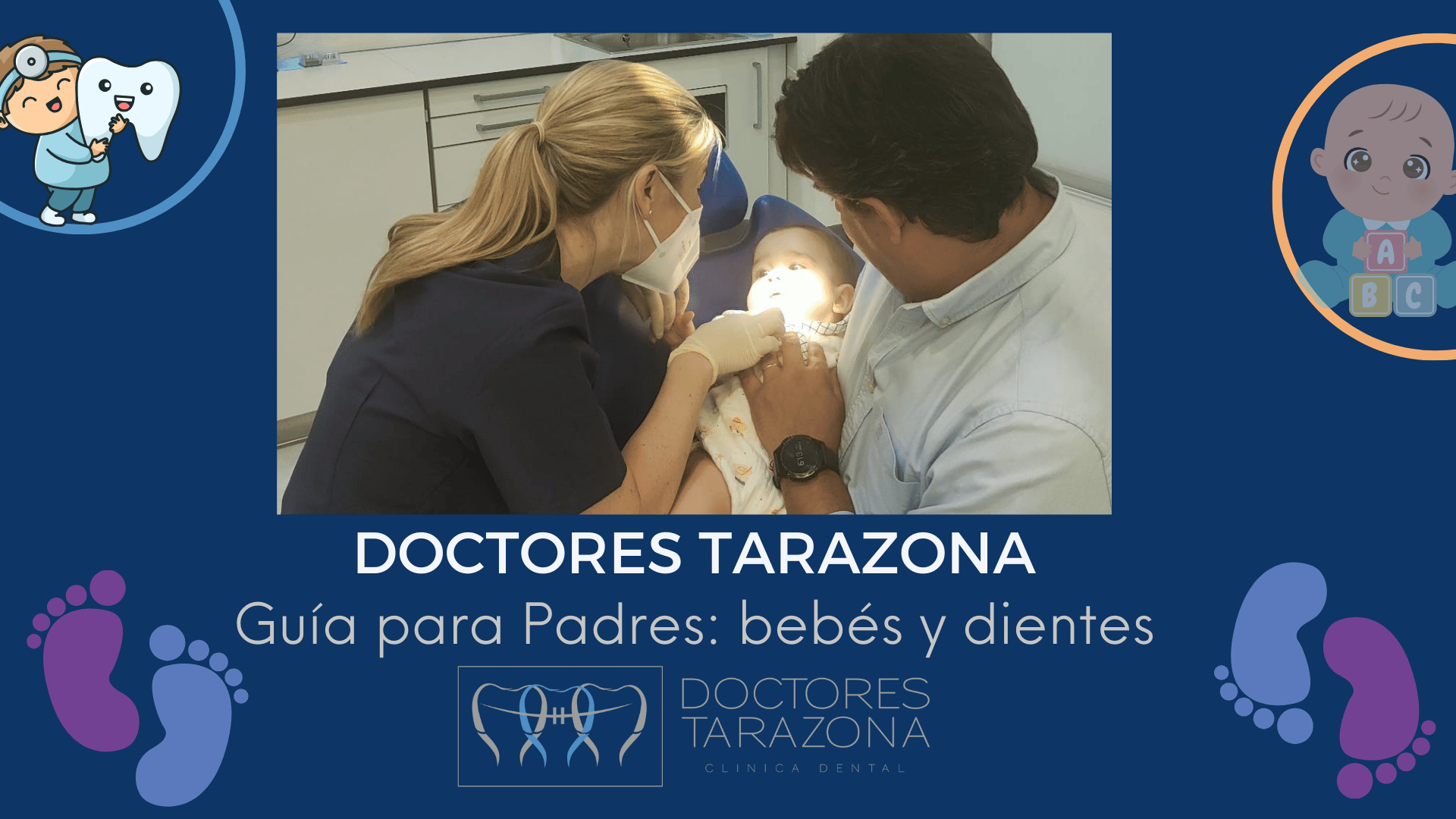
Babies and teeth: Looking after a child’s mouth begins with their first trip to the paediatric dentist. It’s good to make this visit when their first milk tooth comes through, around 6 months, or when they turn one. During this first consultation, the dentist checks how the teeth and the jaw are growing. They look for bite problems or badly positioned teeth very early on.
This early check-up is also essential to avoid cavities. The dentist can use fluoride and sealants on the teeth to protect them. They also teach about cleaning the teeth, using dental floss, eating healthily and preventing cavities. Going to the dentist from a young age helps children not to be afraid in the future, having become familiar with this visit since childhood.
If a child is more prone to cavities, the dentist may want to see them more often. Places such as the Clínica Dental Doctores Tarazona offer special services for children. We help from the early years with personal and preventive care. On the monitors of our chairs, if they want, we put on “cartoons” so they’re distracted, and they can also visit our magic drawer where they always find some surprise to take home as a souvenir.
The importance of fluoride in preventing cavities
Fluoride works in several ways to look after our teeth. It makes them stronger, provides minerals and lowers the production of acid by the bacteria. Parents should give their children water and make sure they use fluoride toothpaste twice a day. You have to use the right amount of paste: a rice grain for those under 3 years old and a pea for those over 3 years old.
Taking too much fluoride can cause fluorosis, a condition that stains or damages the teeth. But the scientific evidence suggests that fluoride isn’t bad if it’s used properly.
Building dental hygiene habits that last: babies and teeth
Teaching them to brush well and use dental floss guarantees them healthy teeth forever.
Over time, the example of the adults becomes key. If we teach them by our example and dedicate time to them, they’ll copy those good practices. By getting them used to brushing at night, we build solid foundations for their dental health.
Making dental cleaning fun is crucial. For example: Singing a song or doing a dance that they find funny while they brush their teeth makes them enjoy the moment. Let’s not forget that eating healthily, without too many sweets, is vital to avoid damage to the teeth.
Various studies associate the consumption of sugary drinks and poor oral hygiene with the risk of Alzheimer’s. So, teaching about the relationship between diet and oral health is essential from a young age.
It’s important to create an environment that encourages children to look after their teeth and their general and emotional well-being. Rewarding their effort with presents can make them keep up cleaning routines, but also their self-love and responsibility towards their studies and the different situations they’ll face in life. Another very interesting example is to know that: Studies also indicate that those who make their bed sleep better.
In addition, traditions such as that of the Tooth Fairy teach children the importance of looking after their mouth and make the loss of the milk teeth something to look forward to and not at all traumatic.
This post may be helpful to you: Orthodontic Treatments in Valencia. Aligners or Braces.
Frequently asked questions we get in our consultations about babies and teeth:
When do teeth start to come through in a baby?
Babies usually start to have teeth at 6 months. But this time can change. Generally, the first ones are the incisors.
How should I clean my baby’s gums before the teeth appear?
It’s good to clean the baby’s gums with a damp cloth. That way you avoid the build-up of bacteria. It’s something you should do before the first teeth come through.
How important is oral hygiene in babies?
Looking after the mouth from a young age is crucial. It helps to avoid problems later on, such as cavities. In addition, it improves health in general.
What oral cleaning products are suitable for children?
For children, a brush with soft bristles and fluoride toothpaste is good. Start brushing their teeth when the first one comes through.
How can I relieve my baby’s teething pain?
There are methods to soothe the pain when the teeth are coming through. You can massage the gums. Also, use teethers. And if necessary, give them painkillers recommended by a paediatrician.
Does prolonged use of dummies affect babies’ teeth?
Yes, using dummies or sucking the thumb a lot can change how the teeth align. It’s better for them to give up these habits before the age of 2.
How does diet influence children’s dental health?
A good diet is essential to avoid cavities and look after the mouth. You should limit sweets and promote healthy meals from a young age.
When should my baby have their first visit to the paediatric dentist?
It’s important that they go to the dentist after having their first tooth or at one year old. This is to prevent problems and learn to look after their teeth properly.
Why is fluoride important in preventing cavities?
Fluoride is key to keeping the teeth healthy. It helps to make the enamel stronger and to reduce cavities. It should start being used from 6 months.
How can we instil dental hygiene habits that last in our children?
It’s vital to teach from a young age. You have to supervise the brushing until they’re 7 or 8 years old. And it’s also important to have healthy habits as parents, such as always brushing before sleeping.
“At our clinic we love looking after your smile and that of your loved ones, so, if you live in Valencia, don’t forget to book an appointment with us. You’ll discover what sets us apart and you’ll find that you’ve never been so comfortable having your oral health checked”.