How Many Times Should You Brush Your Teeth a Day for Optimal Oral Health?
If you’ve ever wondered “how many times a day should you brush your teeth?”, you’re not the only one. Sometimes, between the morning coffee, the quick lunch and the afternoon snack, we forget that our mouth needs more attention than we think. And of course, everyone says you should brush after every meal, but… is it really necessary? Let’s clear it all up.
The importance of proper dental hygiene
Brushing your teeth isn’t just about having fresh breath or a nice smile (although, let’s admit it, that counts too). Brushing is key to preventing cavities, removing bacteria and avoiding gum problems. If you neglect your dental hygiene, you’ll most likely end up with tartar build-up, bad breath or, in the worst case, at the dentist’s with an emergency filling.
How many times a day do dentists recommend brushing your teeth?
Factors that affect how often to brush
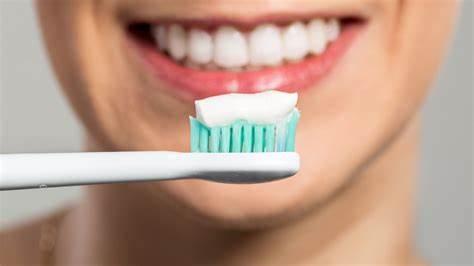
The general recommendation from dentists is to brush at least twice a day, in the morning and before bed. But of course, we don’t all have the same habits or the same tendency to develop oral problems. If you eat a lot of sweets, smoke or wear orthodontics, you probably need more care.
The consequences of brushing too little or too much
If you don’t brush your teeth enough, plaque builds up and the problems begin: cavities, bad breath, inflamed gums… the usual. But careful, brushing too much can also be a problem. If you brush too often or too hard, you can wear down the enamel and make your teeth more sensitive.
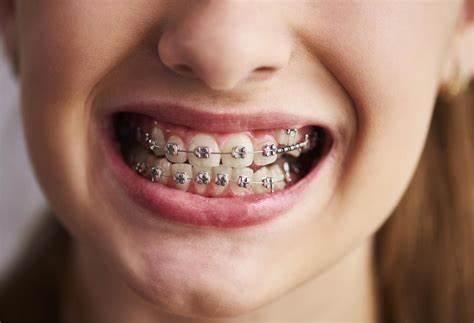
How many times a day should you brush your teeth with braces?
If you wear orthodontics, the story changes a little.
Why does orthodontics need special care?
With braces, food debris gets trapped more easily, which increases the risk of cavities and tartar build-up. It’s not that you need to obsess over the brush, but you do need to brush your teeth more often than someone without orthodontics.
Recommendations for effective cleaning with braces
Dentists usually recommend brushing after every meal, that is, around three or four times a day. In addition, it’s key to use interdental brushes or water flossers to reach those areas where the normal brush can’t do its job.
Is brushing enough? Other keys to complete oral hygiene
Using dental floss and interdental brushes
The toothbrush does a lot, but it doesn’t reach everywhere. That’s why dental floss or interdental brushes are essential, especially if you wear braces or if you notice food getting trapped between your teeth.
Mouthwash: useful complement or unnecessary?
Mouthwashes can help, but they don’t replace brushing. If you tend to have plaque or gum inflammation, a fluoride or antiseptic rinse can be a great ally.
Common mistakes when brushing your teeth and how to avoid them
One of the most common mistakes is brushing too hard. Many people think that if they scrub more, they clean better, but in reality, this can wear down the enamel and make the gums recede. Another typical mistake is rinsing with water right after brushing. If you do that, you remove the fluoride from the toothpaste and reduce its protective effect.
Conclusion: the ideal dental hygiene routine according to the experts
If you want to keep your mouth healthy, brush at least twice a day, use dental floss and, if you wear braces, don’t forget the interdental brush. And, of course, visit your dentist regularly. Looking after your smile doesn’t cost that much if you follow these little habits!