
Is a Dental Abscess Dangerous? Everything You Need to Know
When an abscess appears, it can be as uncomfortable as it is worrying. You’re probably wondering: “Is this something serious? Could it get worse if I do nothing?” And that’s normal. Although it may look like a simple swollen lump, an abscess can become something more serious if it isn’t treated in time. Here we’re going to clear up all your doubts, from what exactly an abscess is to how to prevent complications.
What is a dental abscess and why does it appear?
An abscess, also known as a dental abscess, is a build-up of pus caused by an infection in the tissues around a tooth. It can start because of a deep cavity, a knock to the tooth or even poor oral hygiene. Although at first it may seem like just a nuisance, if it isn’t treated, it can become a real problem.
The most common causes of abscesses
- Untreated cavities: when a cavity reaches the nerve of the tooth, it can infect it and cause an abscess to form.
- Gum disease: gingivitis or periodontitis can also cause infections that lead to an abscess.
- Dental trauma: a knock or fracture to a tooth can leave it vulnerable to infections.
How to identify an abscess: the main symptoms
An abscess doesn’t go unnoticed. The most common symptoms include:
- Intense, throbbing pain in the affected area.
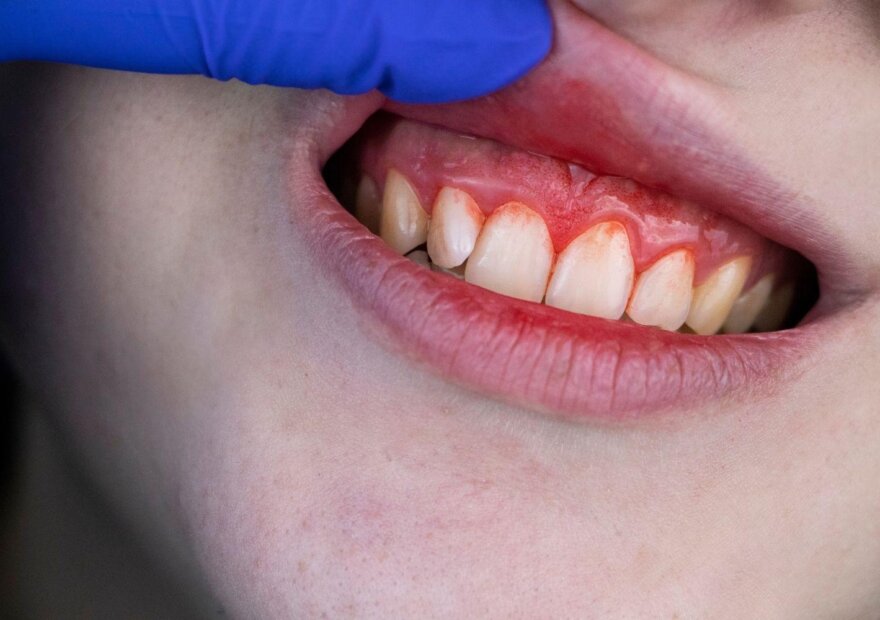
- Visible swelling in the cheek, gum or jaw.
- Fever in more advanced cases.
- A bad taste in the mouth or pus discharge if the abscess has drained.
If you notice these symptoms, it’s important to act quickly. The infection won’t go away on its own.
The risks of an untreated abscess
This is where things get serious. Often, an abscess is played down because “it only hurts a bit” or “it doesn’t seem that serious”. But the reality is that leaving it untreated can have significant consequences.
Possible complications: from infection to serious health problems
An abscess can spread the infection to other areas, such as the bone or even the bloodstream, causing a systemic infection. This can lead to serious conditions such as sepsis, which, although rare, is potentially life-threatening.
When should you see the dentist immediately?
If the pain is intense, you have a fever or you notice the swelling spreading, don’t wait any longer. These are signs that the infection is progressing and needs immediate professional attention.
Does an abscess heal on its own or does it need treatment?
This is a very widespread myth. Although sometimes an abscess can “burst” on its own and drain the pus, that doesn’t mean the problem is solved. The underlying infection will still be there and can come back or get worse.
Common treatments to clear an abscess
The treatment will depend on how serious the case is, but the most common options include:
- Antibiotics: to fight the infection.
- Draining the abscess: your dentist may carry out a small procedure to remove the built-up pus.
- Treating the affected tooth: this can include a root-canal treatment or, in extreme cases, extracting the tooth.
Home remedies: do they help or can they make things worse?
Some home remedies, such as salt-water rinses, can relieve the symptoms temporarily, but they don’t solve the problem. In fact, trying to “pop” the abscess at home can make the infection worse. Always consult a dentist before trying anything on your own.
Prevention: how to stop an abscess becoming a bigger problem
The good news is that abscesses are avoidable in most cases. With a few simple habits you can keep your mouth free of infections.
Recommended oral-hygiene habits
- Brush your teeth at least twice a day with a fluoride toothpaste.
- Use dental floss or interdental brushes to clean the spaces between the teeth.
- Rinse with an antibacterial mouthwash, especially if you have sensitive gums or a tendency to cavities.
The importance of regular dental check-ups
Going to the dentist regularly (at least once a year) is key to catching problems before they become something serious. Remember that abscesses often start from cavities or infections that could have been treated easily.
Frequently asked questions about abscesses
How long does an abscess take to heal?
With the right treatment, the symptoms can improve in a few days, although complete healing can take a week or two. Without treatment, the abscess can persist or even get worse.
Is it normal for an abscess to come back?
If the underlying problem isn’t treated correctly, the abscess may come back. That’s why it’s crucial to follow the dentist’s recommendations and complete the whole treatment.
Conclusion: don’t underestimate an abscess
Although it might seem like something small, an abscess isn’t a problem you should ignore. With timely attention, you can avoid serious complications and keep your oral health in good shape. If you have doubts or symptoms, don’t hesitate to ask us. We’re here to help you look after your smile and, above all, your well-being. Your health comes first!