What Is Dental Agenesis: Causes, Symptoms and Solutions
Have you ever heard the term “dental agenesis” and wondered what it means? Maybe your dentist mentioned it, or perhaps you know someone who was born without one or more permanent teeth. Although it might sound complicated, dental agenesis is more common than you think and, most importantly, it has solutions. Here we explain everything you need to know about it, from its causes to the most advanced treatment options.
Understanding dental agenesis: definition and types
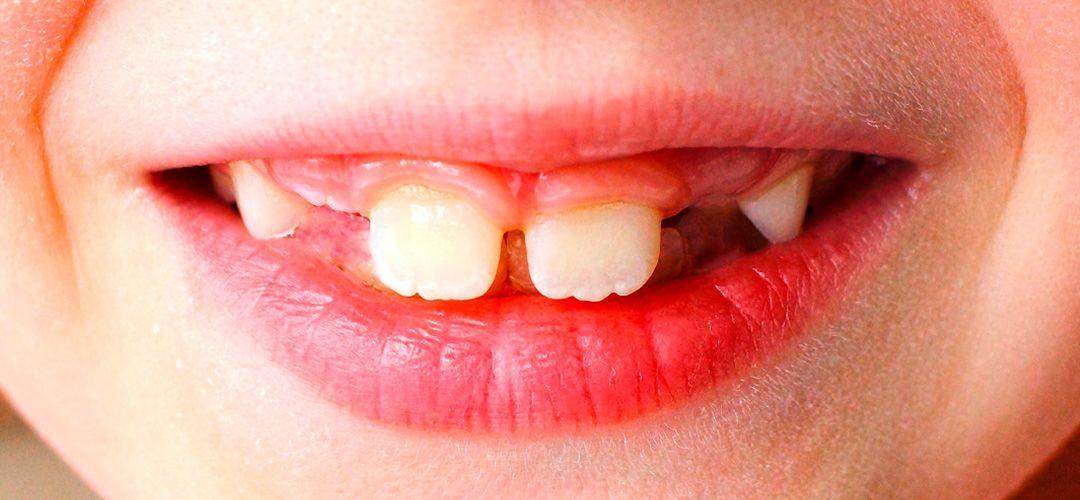
Dental agenesis is, basically, the congenital absence of one or more teeth. This means those teeth simply didn’t form; they’re not even hidden in the gum waiting to come through. It can affect both baby teeth and permanent teeth, although it’s more common in the permanent ones.
There are different types, depending on the number of missing teeth:
- Partial agenesis: one or a few teeth are missing.
- Hypodontia: the absence of up to six teeth.
- Oligodontia: more than six teeth are missing.
- Total anodontia: a rarer situation, in which no teeth develop at all.
The main causes of dental agenesis
The causes of dental agenesis are usually genetic. In other words, if someone in your family has had this problem, there’s a greater chance that you’ll have it too. But it doesn’t all come down to genes. Some other factors, such as disorders during foetal development or certain medical conditions, can also be involved.
For example, dental agenesis can be associated with syndromes such as Down syndrome or ectodermal dysplasia. Even in people without any specific condition, it can appear without a clear cause.
Symptoms and early diagnosis of dental agenesis
The main symptom, of course, is the visible absence of one or more teeth. But beyond the aesthetics, it can also affect how your mouth works: chewing can be harder, and the missing teeth can cause a misalignment in the bite.
Dental agenesis is usually diagnosed in childhood, when the permanent teeth don’t appear according to the expected timeline. A dental X-ray is the most commonly used tool to confirm whether the tooth is really missing or simply impacted.
Treatment options for dental agenesis
Although dental agenesis doesn’t have a “cure” as such, there are many treatments available to restore the function and appearance of your smile. Depending on the number of missing teeth and your specific case, different techniques can be used.
Dentures: a practical solution for cases of agenesis
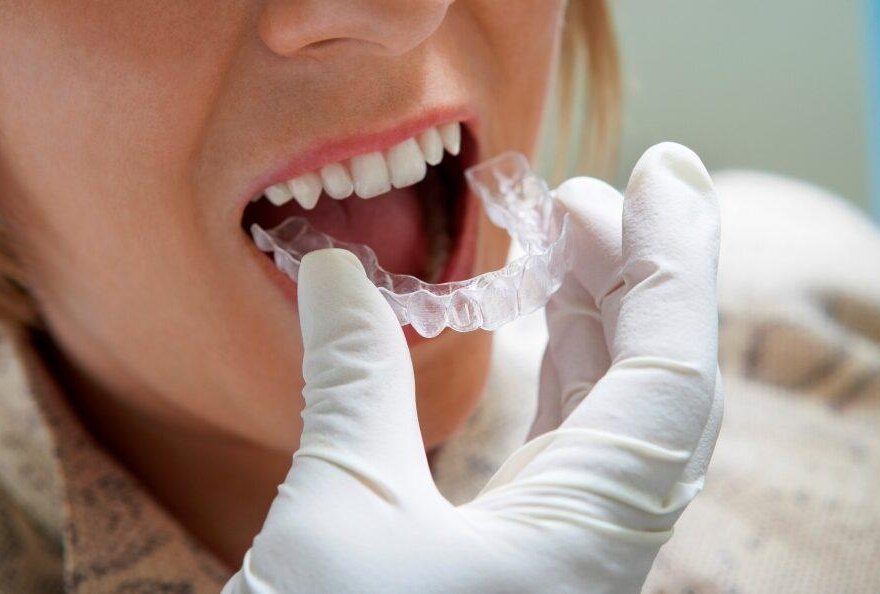
Dentures are a quick and effective option, especially if you’re looking for a functional and aesthetic solution at the same time. They can be partial or complete, depending on how many teeth are missing. Although it’s a cheaper solution, it requires regular maintenance.
Orthodontics and surgery: advanced treatments for agenesis
In more complex cases, the treatment can include dental implants or even orthognathic surgery to correct the alignment of the jaw. Orthodontics also plays an important role, as it can close gaps or prepare the mouth for future implants.
The consequences of not treating dental agenesis
Leaving dental agenesis untreated can bring several problems. The missing teeth can alter the bite, cause jaw pain and even increase the risk of wear on the neighbouring teeth. In addition, the missing teeth can affect your confidence when talking or smiling, something that often goes unnoticed but has a significant impact on daily life.
Prevention and additional care for good dental health
Although we can’t prevent dental agenesis as such, we can look after the health of the teeth we do have. Keep up good oral hygiene, see the dentist regularly and follow their recommendations to avoid associated complications.
If you have children, make sure their dental check-ups include X-rays to detect possible cases of agenesis as early as possible.
Frequently asked questions about dental agenesis
- Is dental agenesis common? Yes, it affects a considerable percentage of the population. The third molars (wisdom teeth) are the teeth most commonly missing, followed by the upper lateral incisors and the second premolars.
- Is it hereditary? Generally yes, although it can also occur in people with no family history.
- Does having dental agenesis hurt? It doesn’t hurt in itself, but it can cause problems that are painful, such as bite misalignments.
Conclusion: solutions for every smile
Dental agenesis doesn’t have to be a problem that limits you. With the right treatment, you can restore the function of your mouth and your confidence in your smile. If you have doubts about this topic or need guidance, don’t hesitate to ask us. We’re here to help you every step of the way. Your smile deserves the best!