Can a Dental Crown Be Removed and Put Back? What You Need to Know
If you’ve ever had a dental crown fitted and you’re now wondering whether it can be removed and reused, it’s a more common question than you’d think. Maybe it’s come loose, fallen out on its own, or you need to access a tooth underneath for some treatment. And of course, you wonder: can you simply take a dental crown off and put it back? Well, it depends on several factors. Let’s look at what can be done in these cases and how to handle it without unnecessary complications.
What is a dental crown and what is it for?
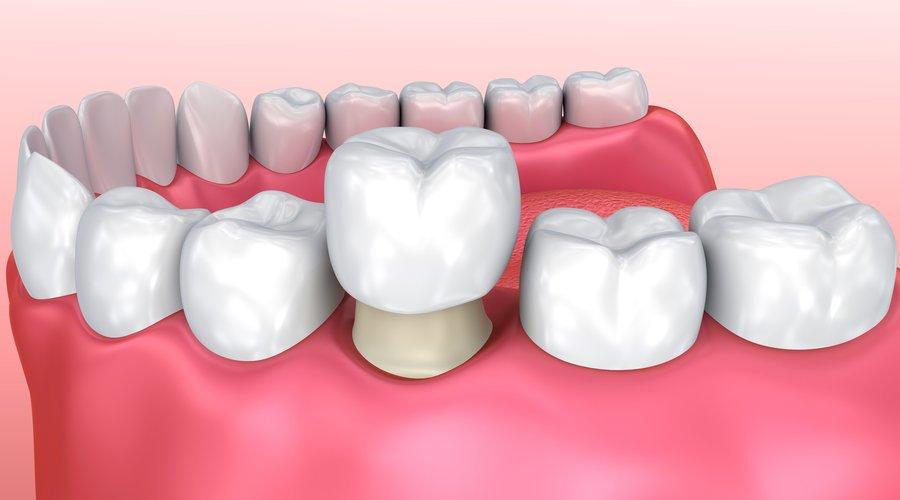
A dental crown is a sort of “cap” that’s placed over a damaged or weakened tooth. It serves to protect, strengthen and improve the appearance of the tooth. It’s used a lot after root canals, when there are fractures or when a filling wouldn’t be enough. They’re designed to be strong and durable, but they’re not forever.
Reasons why it might be necessary to remove a dental crown
There are many reasons why a dentist might recommend removing a crown that’s already fitted. For example:
- Leaks or cavities under the crown.
- Reviewing a root-canal treatment that has given problems.
- Poor fit or discomfort when biting.
- An aesthetic change, if the crown has darkened or no longer matches the current colour of your teeth.
- Damage or fracture of the crown, especially if it has come loose or taken a knock.
In any of these cases, the ideal thing is to assess whether the crown can still be reused or whether it’s better to replace it.
Is it possible to reuse a removed dental crown?
Here comes the big question, and the answer isn’t a flat yes or no. It depends on several details that the dentist will need to assess with you.
Factors that determine whether a crown can be put back
- The physical condition of the crown: if it has been removed without breaking and the structure is intact, it’s more likely it can be reused.
- The condition of the tooth: if the tooth has changed shape, size or has some alteration, the crown may no longer fit as before.
- The type of adhesive used: sometimes the dental cement can damage the crown during removal.
- The time since it was fitted: if many years have passed, it may be worn on the inside even if it looks fine on the outside.
Risks of putting back a used crown
Although it might seem like a good idea to save money, reusing a crown has its risks. It might not seal as well, leave gaps where bacteria build up or even come loose over time. And believe us, there’s nothing more uncomfortable than being mid-meal and having the crown end up on your fork.
The procedure for removing a dental crown safely
Removing a crown isn’t simply a matter of pulling it off. It requires technique and specific tools, because the aim is to protect both the tooth and the crown itself, if you want to reuse it.
Methods dentists use to remove crowns
- Ultrasonic vibration, which helps weaken the adhesive without damaging the material.
- Special leverage instruments, but used with great precision.
- In some cases, if there’s no safe way to remove it, the crown is cut with a bur to open it without damaging the tooth.
Every case is unique, so the professional will assess which method is the least invasive and the most effective.
Aftercare following the removal of a crown
Once the crown is removed, the area is cleaned thoroughly, the tooth is checked and a decision is made on whether to fit the same crown, a temporary one or a new one. In the meantime, it’s essential to keep up good oral hygiene, avoid hard foods and, if the crown isn’t refitted straight away, use it carefully if it’s temporarily cemented.
Alternatives if a dental crown can’t be put back
If the crown isn’t in good condition or no longer fits well, no problem. These days there are very good and durable options to replace it. A new crown can be made to suit the current shape of the tooth or, if there’s deeper damage, even consider other more advanced treatments such as veneers or implants, if needed.
Tips to extend the life of a dental crown
- Brush carefully, but without forgetting the area where the crown meets the gum.
- Use dental floss or interdental brushes.
- Avoid biting hard things or opening packets with your teeth (yes, sometimes we do it without realising).
- Go to the dentist regularly for check-ups.
A well-cared-for crown can last many years, even more than ten. But if it has to be removed, it’s best to do it properly and with professional judgement.
Frequently asked questions about removable dental crowns
Can you remove a crown and put it back at home?
No. Although some temporary crowns fall out on their own, trying to refit a crown on your own is not at all advisable. You could make it fit badly, cause pain or even damage the tooth.
What happens if the crown falls out on its own and is intact?
The best thing is to keep it in a clean container and see the dentist as soon as possible. If it’s in good condition, it may be possible to re-cement it, but the tooth needs checking too.
How much does it cost to make a new crown if it can’t be reused?
It depends on the material (porcelain, zirconia, metal-ceramic…) and the clinic, but what matters is to look at the health of the tooth before deciding. Sometimes, in trying to save by reusing an old crown, we end up spending more if it later falls out or causes problems.
Conclusion: yes, a dental crown can be removed and put back, but it isn’t always best
In short, yes, it’s possible to remove a dental crown and reuse it, but it all depends on its condition and the tooth it was fitted on. The most sensible thing is to let the dentist assess whether it’s worth putting back or whether it’s better to make a new one. In the end, what matters is that your mouth is well looked after and functional, not just that it looks good. And if you have any doubts, you know we’re here to help. Your smile deserves it!