How to Effectively Remove Hard Tartar from Behind Your Teeth
If you’ve ever noticed a rough or yellowish layer behind your teeth, you may be dealing with dental tartar. And yes, it’s a more common problem than you’d imagine. The worst part is that, once tartar hardens, it doesn’t come off on its own, and that’s when many people wonder “how do I remove tartar from my teeth quickly and easily?”. We’re going to explain everything you need to know to get rid of it safely, without damaging your enamel.
What is dental tartar and why does it form behind the teeth?
Tartar is basically dental plaque that hasn’t been removed in time and, over the days, has hardened due to the build-up of minerals present in saliva. Hard deposits usually form, especially behind the lower teeth and along the gums, because these are areas where saliva tends to build up more.
The problem is that, once the tartar has solidified, daily brushing is no longer enough to remove it. That’s why the key is to prevent it or remove it in time before it starts causing problems.
The risks of ignoring tartar built up on your teeth
Letting tartar build up isn’t only a cosmetic problem, it can also seriously affect your oral health.
Oral-health problems linked to tartar
When tartar stays on the teeth for a long time, it can cause gum inflammation, bleeding when you brush and persistent bad breath. What’s more, it’s one of the main causes of gingivitis and periodontitis, which can even lead to tooth loss if not treated in time.
How tartar can affect your dental aesthetics
In addition to the health problems, tartar darkens the teeth and gives them a neglected look. It often causes brown or yellowish stains which, even if they’re not cavities, can make your smile look less healthy.
Methods to remove tartar from your teeth quickly and easily at home
We know the idea of going to the dentist isn’t always the most appealing, so you’re probably wondering whether there are ways to remove tartar at home. The answer is yes… and no. Some remedies can help soften the plaque before it turns into tartar, but once it’s hard, you need professional help.
Home remedies to fight tartar
Some natural ingredients can help you reduce plaque and stop it turning into tartar:
- Bicarbonate of soda: using it occasionally can help polish the surface of the teeth and reduce plaque.
- A rinse with water and apple cider vinegar: it has antibacterial properties, but use it in moderation so as not to damage the enamel.
- Coconut oil or oil rinsing (oil pulling): it can help remove bacteria and improve oral health.
Careful, these methods don’t remove hardened tartar, but they can be a good complement to stop more building up.
Home tools for removing tartar
There are dental scrapers that some people use at home to try to remove tartar. However, you have to be very careful, because if they’re not used correctly, they can hurt the gums or damage the enamel.
Professional treatments to remove tartar from behind the teeth
When the tartar is already stuck to the teeth, the only effective way to remove it is with a professional dental cleaning.
Professional dental cleaning: what does it involve?
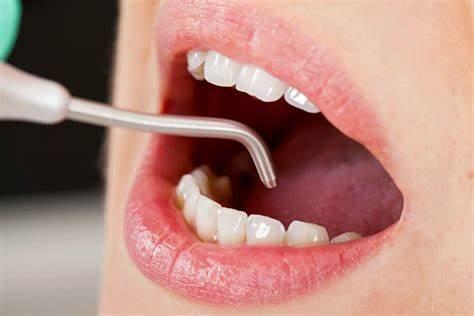
The dentist uses specialised tools to remove the tartar without damaging the teeth. In a single session, the visible tartar can be removed, as well as the tartar below the gum line.
Dental scaling and polishing: the most effective solution
For cases where the tartar is firmly stuck, a dental scaling is carried out, which involves carefully scraping the tartar from the surface of the teeth and gums. Afterwards, a polish is done to smooth the surface of the enamel and stop bacteria sticking easily.
Tips to prevent tartar build-up behind the teeth
Preventing tartar is much easier than removing it, so here are some key tips to keep your teeth clean and healthy.
The importance of proper oral hygiene
- Brush at least twice a day, using a soft-bristled brush and a fluoride toothpaste.
- Use dental floss every day to remove food debris and plaque in hard-to-reach areas.
- Add an antibacterial mouthwash to your routine to reduce the bacteria in your mouth.
Daily habits that help avoid tartar
- Drink enough water to keep your mouth hydrated and help saliva do its natural cleaning job.
- Cut down on sugars and refined carbohydrates, as they feed the bacteria that produce plaque.
- Schedule a professional dental cleaning every 6 months to make sure there’s no tartar build-up.
When do you need to see a dentist to treat tartar?
If you notice that the tartar is already hardened or that your gums bleed often when you brush, it’s time to see the dentist. It’s also advisable to go if you have persistent bad breath or if the tartar build-up is visible behind the teeth.
Frequently asked questions about dental tartar and its removal
Is it possible to remove tartar without seeing the dentist?
If the tartar is already hard, the answer is no. The only thing you can do at home is stop more plaque forming, but to remove the tartar, you need a professional cleaning.
Do whitening products help remove tartar?
No. Whitening products can lighten the enamel, but they don’t remove tartar. In fact, if you have built-up tartar, you first need a dental cleaning before having a whitening treatment.
Conclusion: keep your smile free of tartar
Tartar behind the teeth is a problem that, although common, you shouldn’t ignore. It not only affects the look of your smile, but can lead to more serious problems if it’s not treated in time. The best strategy is prevention, with good oral hygiene and regular visits to the dentist. And if the tartar has already built up, don’t worry, there’s always a solution. A dentist can leave your teeth clean and free of tartar in a single session. Your smile deserves the best care, so don’t neglect it!