What Is Periodontitis (Pyorrhoea) and How Is It Cured? Causes, Symptoms and Treatments
If you’ve ever heard of pyorrhoea and it sounded serious to you, you’re not far off. Its technical name is advanced periodontal disease and it’s one of the main causes of tooth loss in adults. But what exactly is it? How can you tell if you have it? And, most importantly, can it be cured? If you’re worried about the health of your gums, here’s everything you need to know.
What is pyorrhoea or periodontal disease
Pyorrhoea is a serious gum infection that affects not only the soft tissues, but also the bone that holds the teeth in place. It occurs when gingivitis isn’t treated in time and the bacteria start to damage the gums progressively. If it isn’t controlled, the teeth begin to loosen and can fall out.
And the worst part is that many people don’t realise they have it until it’s too late. That’s why it’s so important to know its symptoms and act in time.
What are the symptoms of pyorrhoea and how to recognise it in time
In its early stages, pyorrhoea can go unnoticed. It’s not that one day you wake up and discover your teeth are loose. It’s a gradual process that starts with mild discomfort and slowly gets worse.
Early signs of pyorrhoea
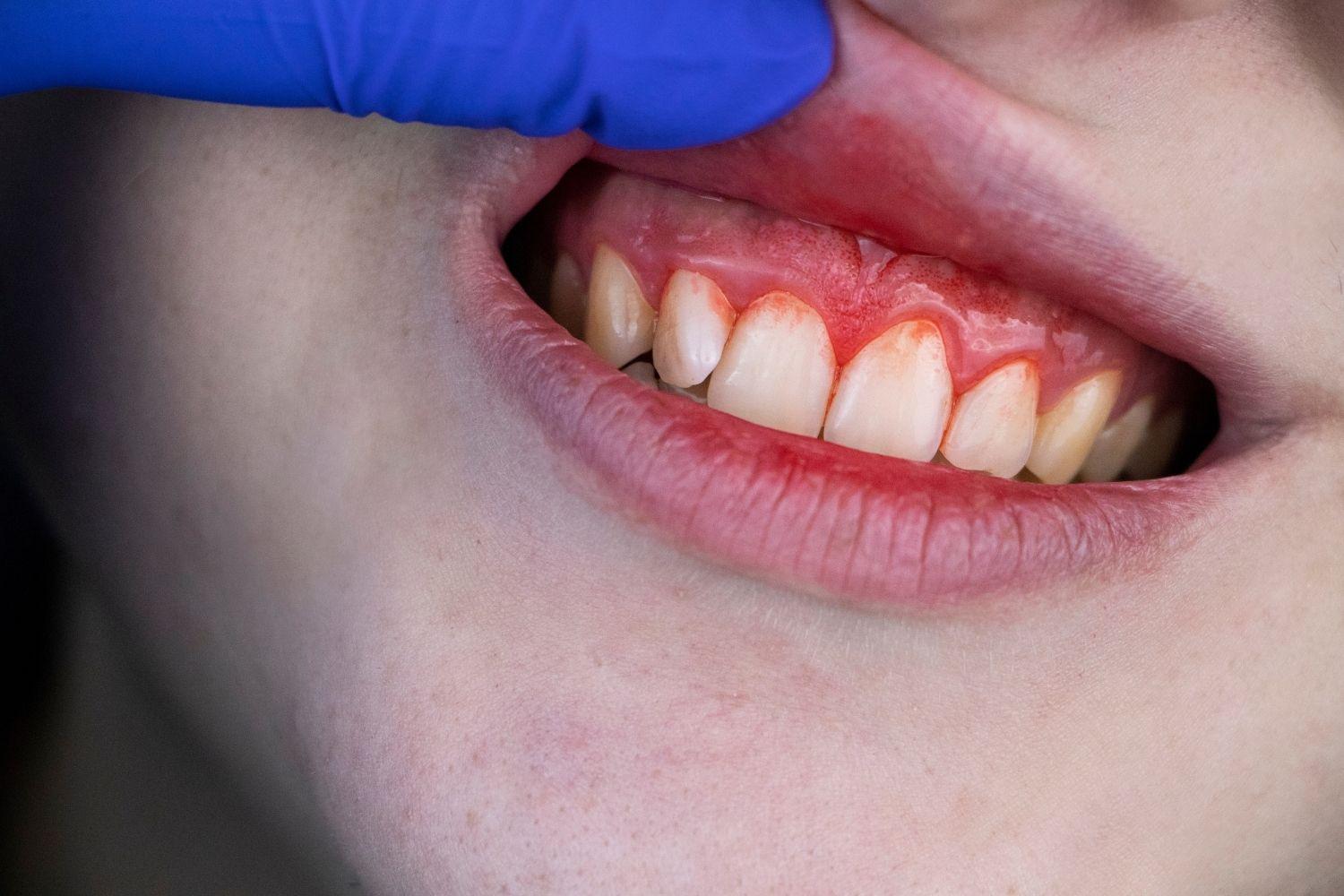
- Bleeding gums when you brush your teeth (even if you don’t use much force).
- Swollen, reddened gums.
- Persistent bad breath that doesn’t go away with brushing.
- A feeling that the teeth are longer because the gums are receding.
If you notice these symptoms and do nothing, the pyorrhoea will keep advancing.
Advanced stages of periodontal disease
When the infection is already more developed, much more worrying signs appear:
- Pain when chewing and increased tooth sensitivity.
- Teeth that move or seem more separated than normal.
- Abscesses on the gums (lumps with pus).
- A constant bad taste in the mouth.
- Tooth loss if the infection has damaged the bone too much.
If you’ve reached this point, you need urgent professional treatment.
Causes and risk factors that encourage pyorrhoea
Not everyone develops pyorrhoea, but there are certain factors that increase the risk of getting it.
Poor oral-hygiene habits
Pyorrhoea almost always starts with poor dental hygiene. If you don’t remove the plaque daily, the bacteria start to multiply and stick to the gums.
That’s why it’s essential to:
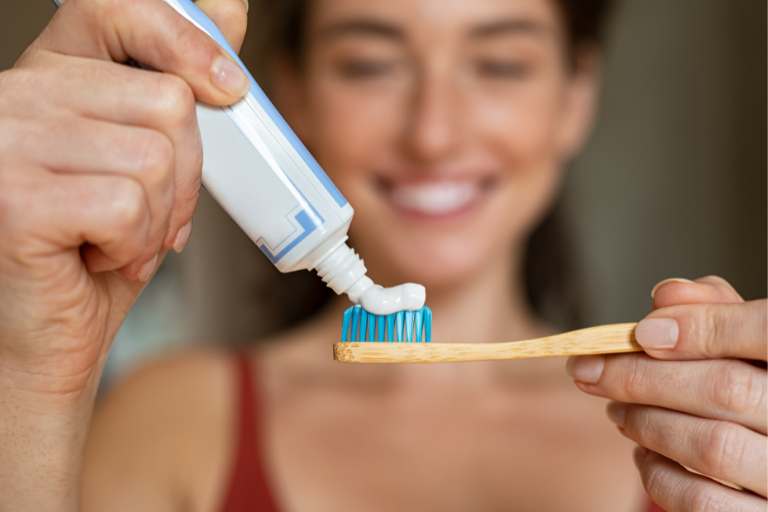
- Brush your teeth at least twice a day.
- Use dental floss to remove the plaque between the teeth.
- Not skip your dental check-ups, because tartar can only be removed at a clinic.
Systemic diseases and genetic predisposition
Some people have more genetic predisposition to developing pyorrhoea, even if they brush their teeth well. In addition, conditions such as diabetes can make the gums more vulnerable to infections.
Tobacco and other factors that worsen periodontitis
Smoking is one of the biggest enemies of the gums. It not only reduces blood circulation in the mouth, but also masks the symptoms of pyorrhoea, making it go unnoticed until it’s too late.
Other factors that can speed up the development of pyorrhoea are:
- Stress (it lowers the body’s defences and increases inflammation).
- Poor diet (a lack of vitamins and minerals affects gum health).
- Bruxism (clenching the teeth can damage the tissue that supports the gums).
How pyorrhoea is cured: effective treatments and solutions
If you already have pyorrhoea, it doesn’t go away on its own. But don’t worry, because there are ways to stop it and prevent you from losing more teeth.
Home treatments and preventive measures
If the pyorrhoea is in its early phase (gingivitis), improving oral hygiene can stop the infection before it advances. Some measures you can take are:
- Use a soft-bristled brush so as not to damage the gums further.
- Do rinses with salt water to reduce inflammation.
- Use chlorhexidine mouthwashes if your dentist recommends it.
But if the infection has already reached the bone, you need professional treatment.
Professional treatments: deep cleaning, surgery and bone regeneration
The most common treatment is scaling and root planing, a deep cleaning that removes the tartar built up below the gums. In more serious cases, surgeries may be needed, such as:
- Gum grafts to recover the lost tissue.
- Bone regeneration if the bone has been destroyed.
- Tooth extraction if they can no longer be saved.
Can pyorrhoea be cured for good?
If it’s caught in time, it can be stopped and the gums kept healthy. But if the damage is already very advanced, the aim is to control it to stop it getting worse.
That’s why the key lies in prevention and early treatment.
Tips to prevent pyorrhoea and keep your gums healthy
To avoid pyorrhoea (or stop it coming back if you’ve already treated it), follow these tips:
- Brush after every meal with a soft-bristled brush.
- Use dental floss and mouthwash daily.
- Avoid tobacco and cut down on sugar.
- Have a professional dental cleaning at least once a year.
- See the dentist at any sign of bleeding or inflammation.
Frequently asked questions about pyorrhoea
Is pyorrhoea contagious?
It’s not a disease you “catch” like a cold, but the bacteria that cause it can be passed on through saliva. In other words, sharing cutlery, kisses or using the same toothbrush as someone who has pyorrhoea can increase the risk of getting it.
Can it be cured without dental treatment?
No. Once the tartar and bacteria have invaded the gum and bone, only professional treatment can remove them. Home remedies can help relieve the symptoms, but they don’t eliminate the pyorrhoea.
How does pyorrhoea affect general health?
Pyorrhoea doesn’t only affect the mouth. It’s linked to a higher risk of cardiovascular disease, uncontrolled diabetes and respiratory problems. That’s why it isn’t just a cosmetic problem, but an important health matter.
Conclusion: don’t ignore the symptoms of pyorrhoea
If you notice bleeding gums, inflammation or persistent bad breath, don’t let it slide. Pyorrhoea is reversible in its early stages, but if it advances too far, it can make you lose teeth. With good oral hygiene and regular dental visits, you can keep your gums healthy and avoid bigger problems. Your smile and your health will thank you for it!