Why Do Teeth Darken with Age? Causes and Solutions
It’s inevitable. As the years go by, many things change in our body, and our teeth are no exception. If you’ve noticed that your smile isn’t as white as before and you’re wondering “why are my teeth darkening?”, you’re not the only one. It’s a completely natural process, although there are certain factors that speed it up. The good news is that there are ways to prevent it and, if it’s already happened, options to recover a lighter colour. Let’s explain it all.
The main factors that cause teeth to darken over time
The shade of our teeth doesn’t change overnight. It’s a gradual process influenced by different factors, some avoidable and others, well… part of life.
Enamel wear: how it affects the colour of your teeth
The tooth enamel is the protective layer that covers our teeth and, over time, it naturally wears down. When this happens, the dentine (which is beneath the enamel) becomes more visible, and its colour is more yellowish or greyish. So even if you brush daily, if the enamel has thinned, the teeth will look darker.
Build-up of stains from food and drink
It’s no secret that what we eat and drink affects the colour of our teeth. Some substances have pigments that gradually stick over time, leaving stains that are hard to remove with a simple brushing.
Among the main culprits are:
- Coffee, tea and red wine (yes, the ones that even stain your mugs).
- Dark sauces such as soy sauce or curry.
- Fizzy drinks and sugary beverages.
- Intensely coloured fruits such as blackberries or blueberries.
If you consume these foods often, over the years you’ll notice your smile losing its shine.
The effects of smoking on tooth colour
If you smoke, you probably already know: tobacco darkens the teeth. The nicotine and tar that cigarettes contain build up on the enamel and stain it over time, leaving a yellowish or even brown shade. What’s more, tobacco encourages the formation of tartar, which makes the teeth look even darker.
Changes in the dentine and their impact on dental ageing
As we mentioned earlier, beneath the enamel is the dentine, which with age becomes denser and more opaque. This makes the teeth lose their brightness and take on a duller tone. It’s an internal change, so it isn’t solved with a normal cleaning, but with specific treatments.
The influence of genetics on tooth pigmentation
Yes, some people are simply born with a better “base”. Some people have thicker enamel or lighter dentine thanks to their genetics. If it’s common in your family to see dark teeth with age, it’s probably something that will happen to you too.
Diseases and medications that can darken the teeth
Sometimes, the change of colour is down not only to ageing, but to certain health problems or medical treatments.
How certain medicines affect tooth colour
Some medications can alter the colour of the teeth, especially if they were taken in childhood, when the teeth were still forming. Antibiotics such as tetracycline and doxycycline are known to cause grey or brown stains on the permanent teeth.
Other medications, such as those used for blood pressure or chemotherapy, can also affect tooth colour.
Health problems that alter the colour of the teeth
Some medical conditions can make the teeth lose their shine or darken faster, such as diabetes or conditions that affect saliva production, since a drier mouth encourages the build-up of plaque and stains.
Can teeth darkening with age be prevented?
We can’t stop the passage of time, but we can look after our teeth so they stay as white as possible for more years.
Recommended oral-hygiene habits
- Brush at least twice a day with a fluoride toothpaste.
- Use dental floss and mouthwash to remove debris that can cause stains.
- Have professional dental cleanings every six months to remove plaque and tartar.
Diet and its role in enamel health
- Eat calcium-rich foods, such as dairy or almonds, to strengthen the enamel.
- Eat crunchy fruits and vegetables, such as carrots or apples, which help clean the teeth naturally.
- Cut down on dark drinks or drink through a straw to minimise contact with the teeth.
Preventive treatments to keep a natural white
If you notice your teeth starting to darken, you can opt for advanced cleaning treatments or dental sealants that protect the enamel from wear.
Options to recover the natural colour of your teeth
If the darkening is already obvious, there are solutions to bring the shine back to your smile.
Professional teeth whitening: when is it recommended?
Teeth whitening done by a professional can lighten the teeth several shades in a short time. It’s safe and effective, but it doesn’t work the same in every case. If the darkening is down to enamel wear or internal factors, you may need another type of treatment.
Home remedies and their effectiveness for lightening teeth
There are home methods such as bicarbonate of soda or activated charcoal, but their effectiveness is limited and they can wear down the enamel if used excessively. It’s better to opt for whitening products recommended by a dentist.
Cosmetic treatments: veneers and other alternatives
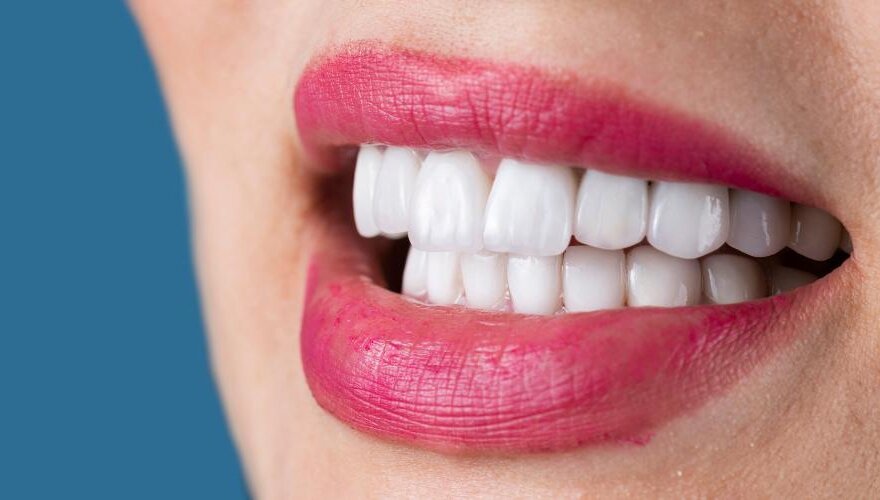
If the darkening is severe and doesn’t respond to whitening, dental veneers can be an excellent option. These are thin sheets of porcelain or resin that cover the tooth, giving it back an even and bright colour.
Conclusion: how to keep a bright smile as the years go by
It’s normal for teeth to change with age, but with the right care, you can keep them healthy and a lighter shade for much longer. Avoid the habits that speed up the darkening, follow a good hygiene routine and, if necessary, consult a professional to find the best solution for you. Your smile can keep shining at any age!