How Tobacco Affects Your Teeth: The Real Consequences for Your Oral Health
We all know smoking isn’t exactly good for our health, right? But often we’re not fully aware of how tobacco affects the teeth and the mouth in general. It’s easy to think only of the lungs or the risk of cancer, but the truth is that the damage starts much earlier, right in your smile. Let’s talk to you plainly, without judging, so you have all the information and can decide what to do for yourself.
Visible effects of tobacco on your smile
We don’t need to tell you that a smoker’s teeth tend to have a colour that’s… let’s say less white than we’d like, right?
Stains on the teeth and darkening of the enamel
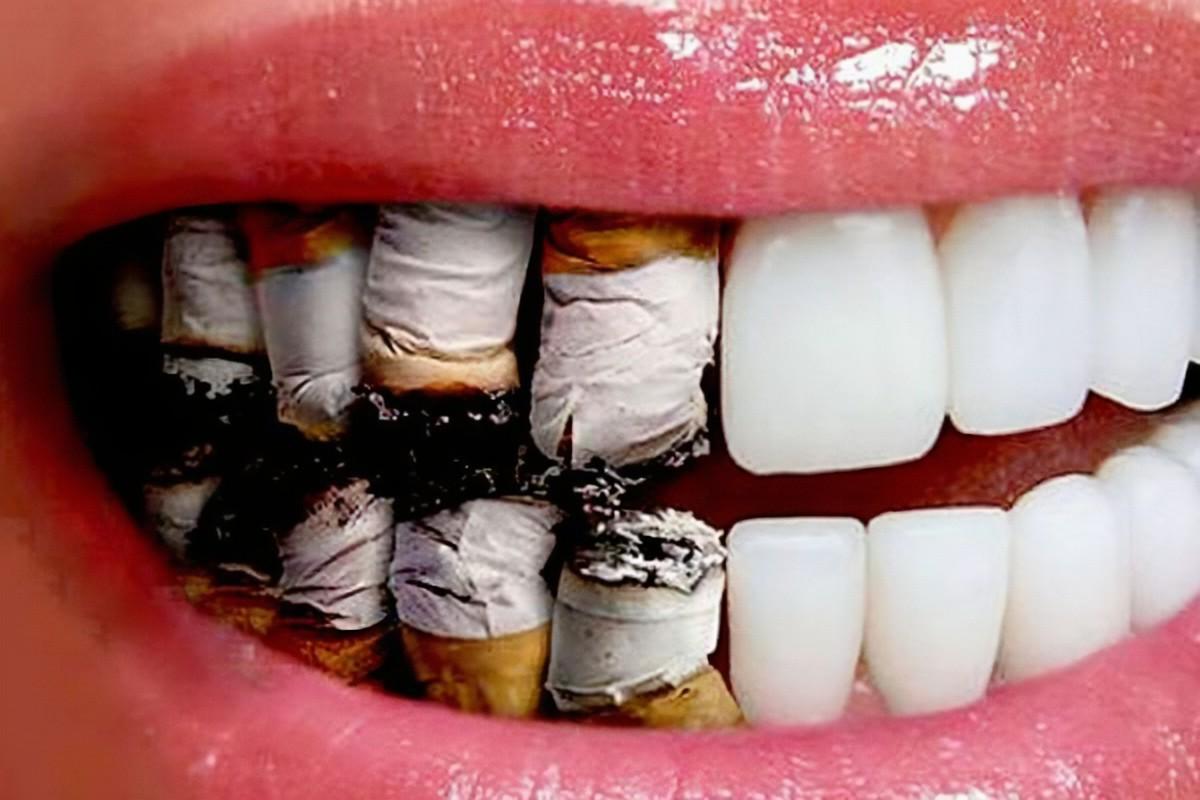
Tobacco smoke, nicotine and tar gradually stick to the tooth enamel. The result? Yellow or brown stains that don’t come off with a simple brushing. The worst part is that over time, these stains darken the whole smile, giving it an aged and neglected look, even if you brush your teeth three times a day.
Persistent bad breath and a dry-mouth feeling
Yes, the famous “ashtray breath” that bothers us so much. Smoking dries out the mouth, reduces saliva production and encourages the growth of bacteria that cause bad breath. And even if you use gum or mouthwash, the feeling comes back again and again if you keep smoking.
Build-up of tartar and plaque
Tobacco encourages the formation of tartar and plaque, which build up along the gum line. This not only makes the teeth look unsightly, but also opens the door to more serious problems, such as gum disease.
Dental problems caused by smoking
Here we’re no longer just talking about aesthetics. Tobacco can seriously compromise the health of your mouth.
Gum disease and tooth loss
Smoking reduces blood circulation in the gums, which weakens them and makes them more vulnerable to infections such as gingivitis or periodontitis. If it’s not treated in time, you can end up losing teeth, something far more common in smokers than in non-smokers.
Reduced ability of the mouth to heal
If you ever need an extraction, an implant or any dental surgery, your mouth will take longer to heal if you smoke. This increases the risk of complications, infections and treatment failures.
Higher risk of cavities and tooth sensitivity
The imbalance that tobacco causes in your bacterial flora also encourages the appearance of cavities. What’s more, by weakening the gums and enamel, it’s normal to notice more sensitivity to cold or heat.
The link between smoking and oral cancer
We don’t want to scare you, but tobacco multiplies the risk of oral cancer. Lesions on the tongue, palate, gums or throat can go unnoticed in their early stages, which is why it’s so important to have regular check-ups, especially if you’re a smoker.
Is smoking a little also harmful to dental health?
The classic line of “well, if I only smoke a couple a day it can’t be that bad”, sound familiar? Well, we’re sorry to tell you that even smoking a little can affect your mouth. The damage is cumulative, and although it’s not as fast as in heavy smokers, the stains, bad breath and risk of disease are still there.
How to spot the first signs of damage in your mouth
- Redder or more inflamed gums.
- Bleeding when you brush (even if it’s slight).
- Increasingly yellow teeth.
- Bad breath that won’t go away.
- A constant feeling of dryness in the mouth.
If any of these symptoms sound familiar, the ideal thing is to book a check-up and assess the state of your oral health.
Treatments to reverse the effects of tobacco on your teeth
Professional cleaning and teeth whitening
The best way to start improving your smile is by having a professional cleaning to remove the tartar and surface stains. And if you’re after a more visible change, you can consider professional teeth whitening, always under the dentist’s supervision so it’s safe and effective.
Periodontal therapies and specific care
If tobacco has affected your gums, you may need deeper periodontal treatments, such as scaling and root planing. These treatments help to stop the disease progressing and to restore the health of your gums.
Tips to protect your oral health if you’re a smoker
- Brush your teeth at least twice a day, and don’t forget the floss.
- Use a mouthwash with antibacterial properties.
- Have professional cleanings every 6 months or as your dentist recommends.
- Drink plenty of water to fight dry mouth.
- Check your mouth regularly to spot any suspicious changes.
Dental benefits of giving up smoking
Giving up tobacco has almost immediate benefits for your mouth. You’ll notice that:
- You get your fresh breath back.
- Your gums heal better and become less inflamed.
- You reduce the risk of disease and oral cancer.
- The stains stop getting worse, and any cosmetic treatment will last much longer.
Frequently asked questions about the impact of tobacco on the mouth
Do tobacco stains come off with a cleaning?
It depends on the level of staining. Surface stains, yes, but deeper ones usually require additional cosmetic treatments such as whitening.
Is it worth having a whitening treatment if I keep smoking?
Honestly… the result won’t last long if you keep smoking daily. The ideal thing is to quit or at least cut your consumption right down before having the treatment.
Do e-cigarettes also stain the teeth?
Less than conventional tobacco, but they’re not harmless. Many liquids contain nicotine and other components that can also affect the health of your mouth.
Conclusion: your smile deserves your care, even if you still smoke
Smoking affects far more than meets the eye, but it’s never too late to start looking after yourself. The ideal thing is to quit tobacco, we know, but in the meantime, protecting your oral health with good habits and regular check-ups is the best decision you can make. If you need help or want to start with a professional cleaning, we’re here to support you every step of the way. Your smile is worth it, and so are you.