What Is a Water Flosser and Why Is It Revolutionising Oral Hygiene?
You may have seen it on social media, in pharmacies or even had it recommended at the clinic. And yes, the water flosser is becoming more and more popular — not as a fad, but because it works. Really. So if you’re wondering what it is, what it’s for or whether it’s worth investing in one… stay with us, because we’ll tell you everything, no beating around the bush.
How does a water flosser work?
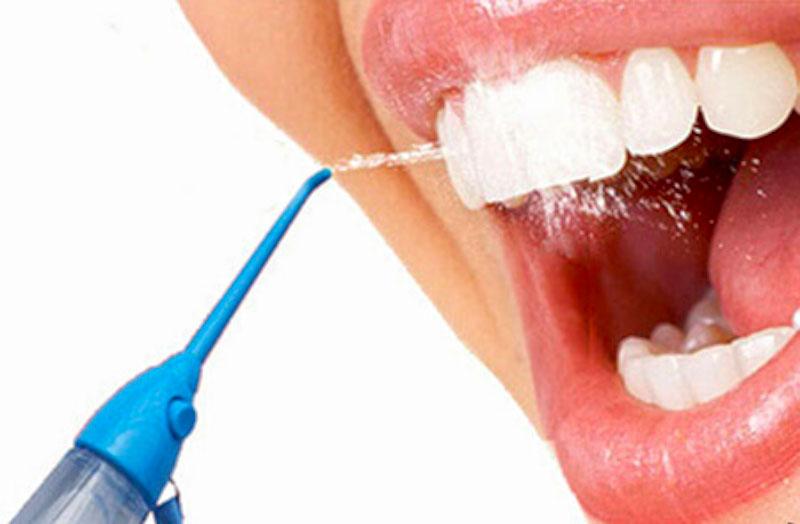
Picture a small device that shoots out jets of pressurised water. That simple and that effective. That jet goes straight to the spaces between the teeth and the gum line, where the brush sometimes can’t reach no matter how hard you try.
Most models have a water tank, a nozzle you can aim and different pressure levels. Some are more basic, others look almost like science fiction. But deep down they all do the same thing: clean thoroughly where others can’t.
Benefits of adding one to your daily routine
This part is easy: a deep clean, healthier gums, less tartar and a feeling of freshness that not even the best mouthwash gives you. It helps to remove food debris, reduce inflammation and prevent cavities and gum disease. And the best part? In under two minutes your whole mouth is clean and fresh.
Water flosser vs traditional brush: does it really make a difference?
We won’t lie to you: the brush is still essential. But the water flosser complements it, it doesn’t replace it. It’s the little extra that makes the difference, especially if you wear braces, have implants or have delicate gums. The comparison would be like sweeping the floor… and then mopping it. See where we’re going with this?
Who should use one? Recommended cases and contraindications
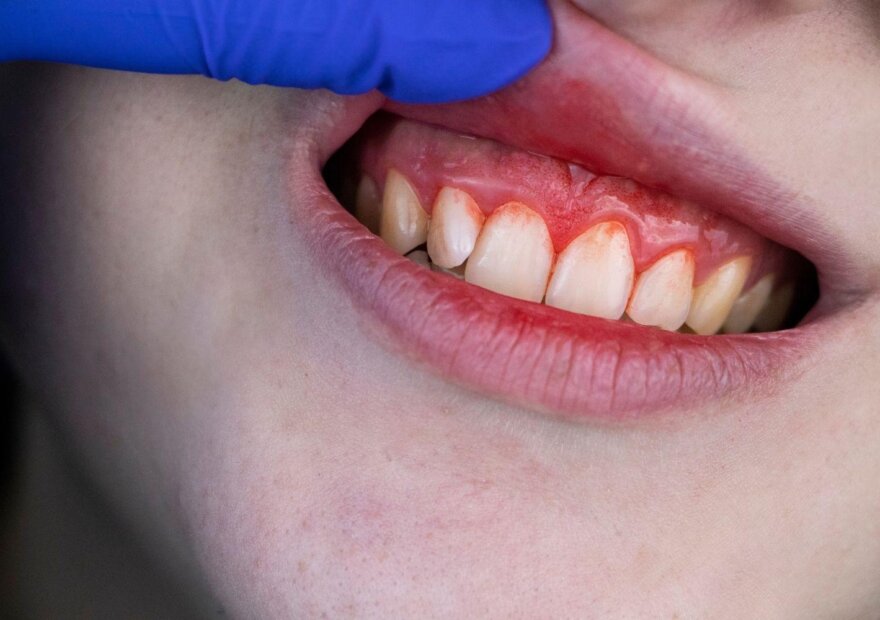
Although anyone can benefit, there are cases where a water flosser is practically a must. If you wear braces or a prosthesis, have periodontal pockets or your gums bleed often, you should seriously consider it.
That said, if you have a specific medical condition (recent surgery, for example), it’s best to check with your dentist first. There are cases where it may not be the right choice at that particular moment.
Types of oral irrigators: which one to choose for your needs?
There are countertop models (more powerful, ideal for home) and portable ones (perfect if you travel a lot or have little space). Some have cords, others are cordless and run on a battery. And each has its own advantages, of course.
Key factors before buying one
Before rushing for the first one you see on offer, take a look at this: adjustable pressure, tank capacity, a variety of nozzles, ease of cleaning… And, just as important: that it’s comfortable to use. If it feels like a chore, it’ll end up in a drawer — and we don’t want that.
Tips for using it correctly and getting the most out of it
First, always use it after brushing, not as a substitute. Start with the lowest pressure, lean your head over the sink (trust us, this will save you from movie-worthy splashes) and go tooth by tooth, slowly, focusing on the gum line. And yes, at first it feels odd… but you soon get used to it.
Frequently asked questions about using a water flosser
- How many times a day should you use it? Once a day is great, although if you eat out a lot you can also use it at night.
- Does it replace dental floss? Not exactly, although many people prefer it because it’s more comfortable and gentler.
- Is it suitable for children? Generally, from a certain age and with proper supervision, yes. But always on your dentist’s recommendation.
Dentists’ opinions and scientific studies
We professionals are clear about it: a water flosser isn’t a whim, it’s a very effective complementary tool. Studies back its use for reducing plaque, improving gum health and keeping breath fresh. We’re not saying this to sell you anything — we say it because we see it in the clinic every day.
Conclusion: is it worth adding to your oral care?
Absolutely yes. If you care about your oral health and want to go one step further, a water flosser is a smart investment. It doesn’t replace brushing or flossing, but it adds a noticeable plus. To your mouth and to your peace of mind.
And if you’re still unsure… pop into the clinic and we’ll show you how to use it. Sometimes a quick demonstration is worth more than a thousand reviews.