Composite or Porcelain Veneers: Which Is the Best Option for Your Smile?
It’s one of the all-time favourite questions in the clinic. When you want to improve your smile, the logical thing is to ask yourself: which type of veneer suits me best? Because, let’s be honest, we all like to look good — but we also want something durable, comfortable and free of nasty surprises later on. So we’re going to explain it just the way we talk about it in the clinic: no beating around the bush, and with all the information you need to decide with peace of mind.
What exactly are dental veneers and what are they used for?
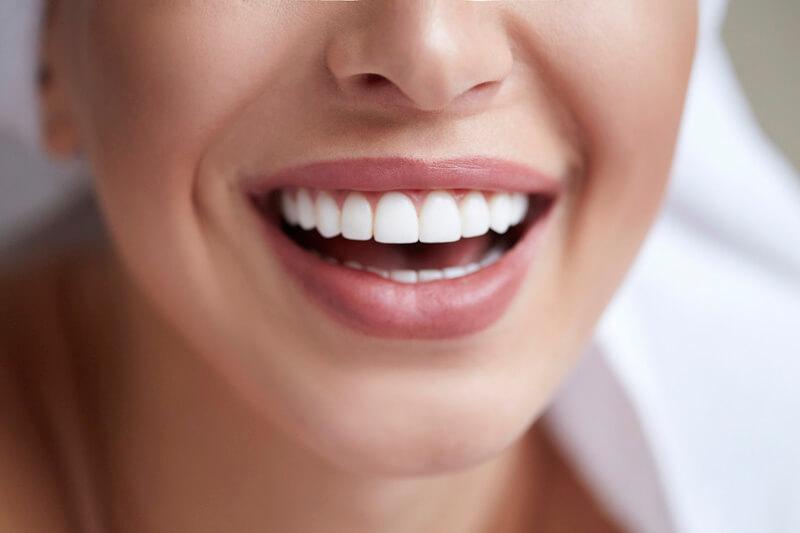
Veneers are thin shells placed over the visible part of the tooth. They are used to correct colour, shape, size or small imperfections. A crooked tooth? A gap you don’t like? That incisor that has always been a little shorter? Veneers could be your greatest ally.
There are two main materials: composite and porcelain. And although the goal is the same, each one has its own particularities.
Key differences between porcelain and composite veneers
Material and durability: which one withstands the passage of time better?
Porcelain is harder, more stain-resistant and holds up better over the years. Composite, although it has improved enormously, is somewhat more porous and may need touch-ups from time to time.
Aesthetic result: which option gives a more natural finish?
Here porcelain tends to win points. It has a translucency very similar to that of a natural tooth, and that really shows on the front teeth. But be aware: well-crafted composite can look spectacular too.
Placement time and clinical process
Composite is placed directly in the clinic, in a single session. It’s quick and non-invasive. Porcelain, on the other hand, requires at least two visits, as it is custom-made in a laboratory. A little slower, but more personalised.
The price of veneers: a comparison and what affects the cost
Yes, porcelain is more expensive. But it’s not just the material: time, precision and the laboratory all play a part… Think of it as a long-term investment. Composite is cheaper and more accessible if you’re after a quick, less permanent change.
Advantages and disadvantages of each type of veneer
Pros and cons of composite veneers
In favour: affordable, quick, reversible. Against: they stain sooner, wear down more and need maintenance from time to time.
Benefits and drawbacks of porcelain veneers
In favour: impeccable aesthetics, great durability, strength. Against: higher cost, slightly more invasive (though only a little) and not as easy to repair if they break.
Who is each option suitable for? Ideal cases and recommendations
If you’re looking for a simple touch-up, you have healthy enamel and you don’t want anything permanent, composite may be ideal for you. If, on the other hand, you want a complete smile makeover, you’re after something long-lasting and you don’t mind investing a little more, porcelain will probably give you the result you dream of.
Frequently asked questions before deciding between composite and porcelain
Can veneers be repaired if they break or wear down?
Composite ones, yes, no problem. Porcelain ones, it depends. Sometimes the whole veneer has to be remade.
How long do they stay in good condition with proper maintenance?
Composite, roughly between 4 and 7 years. Porcelain can last up to 15. But you know how it is — it also depends on your habits, bruxism, hygiene, and so on.
Do they require filing down the natural tooth?
Porcelain ones, yes, just a little. Very superficial and without damaging the structure, but it has to be done. Composite ones don’t always require any filing.
What do dentists think? Professional advice before you choose
We’ll be straight with you: there’s no universally perfect option. Your case, your goals, your budget and your lifestyle all need to be weighed up. The best approach is a thorough diagnosis and a proper conversation with you to see what fits you best — because sometimes it’s not about the most expensive option, but the most suitable one.
Conclusion: how to make the best decision for your oral health
In the end, it comes down to balance. Aesthetics, durability, price, comfort… Both options are valid when they’re done with care, technique and planning. What matters is that you feel good about the change, that you smile with confidence and, above all, that you look after yourself. Because a veneer isn’t everything: what holds it in place matters too.
If the idea is on your mind, come and see us. We’ll advise you with no obligation and help you choose sensibly and realistically. Just one warning… once you see the result, it’s hard to stop smiling.