How to Prevent Tooth Decay in Children
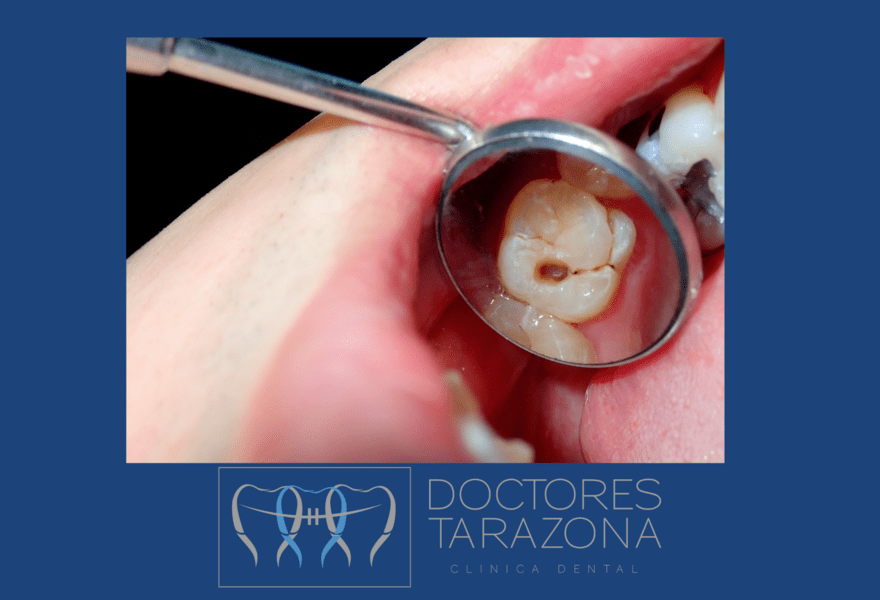
Tooth decay is one of the most common and most serious diseases that affect the oral health of children. It’s an infection caused by bacteria that destroy the enamel and the dentine of the teeth, causing pain, inflammation, sensitivity and, in advanced cases, the loss of teeth.
Tooth decay can have negative consequences for the physical, emotional and social development of children, as it can affect their eating, their speech, their self-esteem and their school performance. That’s why it’s essential to prevent tooth decay from an early age, by following a series of habits and tips that we explain below.
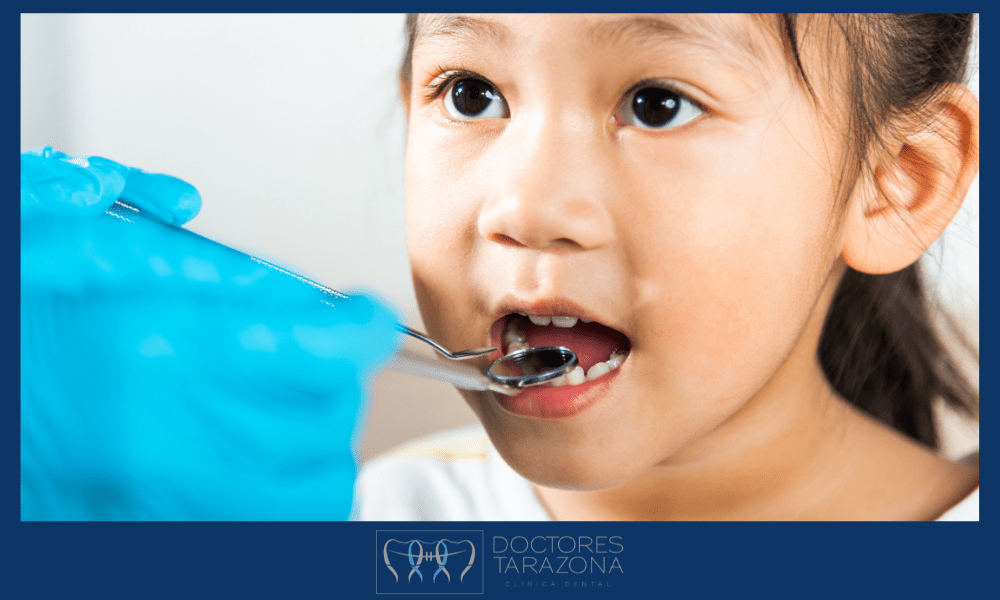
Healthy habits from the start: how to prevent tooth decay in children from an early age
The prevention of tooth decay should start from the child’s birth, even before the first teeth come through. Some measures you can take are:
- Clean the baby’s gums with a gauze or a damp cloth after each feed or meal.
- Avoid the prolonged use of the bottle or the dummy, especially if they contain sugary liquids such as milk, juices or fizzy drinks.
- Don’t share cutlery, glasses or toothbrushes with the baby, to avoid passing on the bacteria that cause tooth decay.
- Take the child to the dentist before they turn one, for a check-up and to receive guidance on how to look after their teeth.
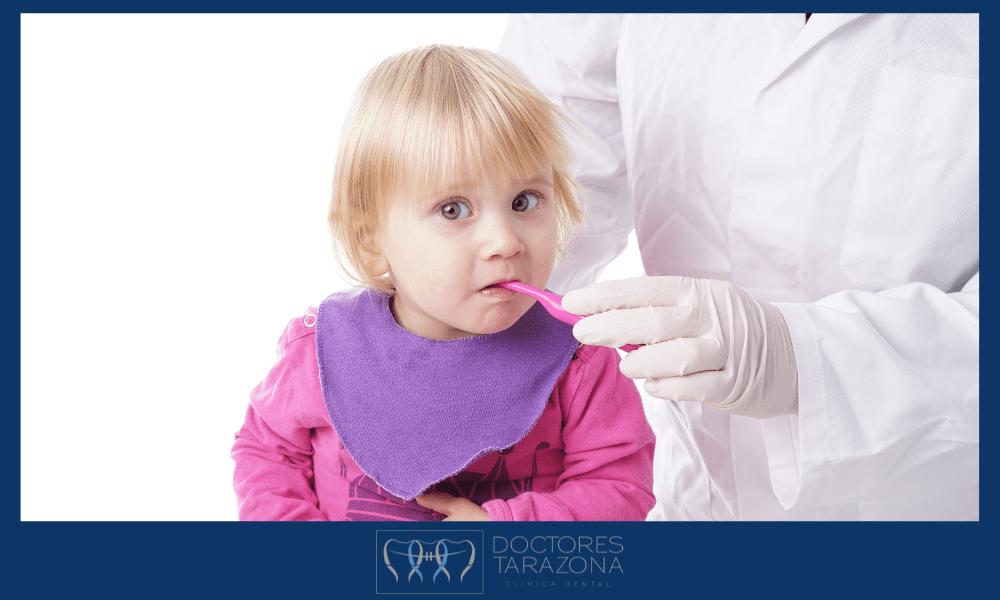
The importance of good oral hygiene: how to teach your children to look after their teeth to prevent tooth decay
Good oral hygiene is key to preventing tooth decay in children. For this, you must teach your children to brush their teeth properly at least twice a day, in the morning and at night. Some tips you can follow are:
- Choose a toothbrush suited to the age and the size of the child’s mouth, with soft bristles and a comfortable handle.
- Use a fluoride toothpaste, which helps to strengthen the enamel and to prevent tooth decay. The amount should be the size of a pea and the child should be stopped from swallowing the paste.
- Brush the teeth with soft, circular movements, covering all the surfaces: the outer, the inner and the chewing ones. The minimum time should be two minutes.
- Use dental floss or interdental brushes to clean the spaces between the teeth, where more plaque builds up.
- Change the toothbrush every three months or when the bristles are worn.
- Supervise the children’s brushing until they’re about eight years old or until they acquire enough skill and responsibility.
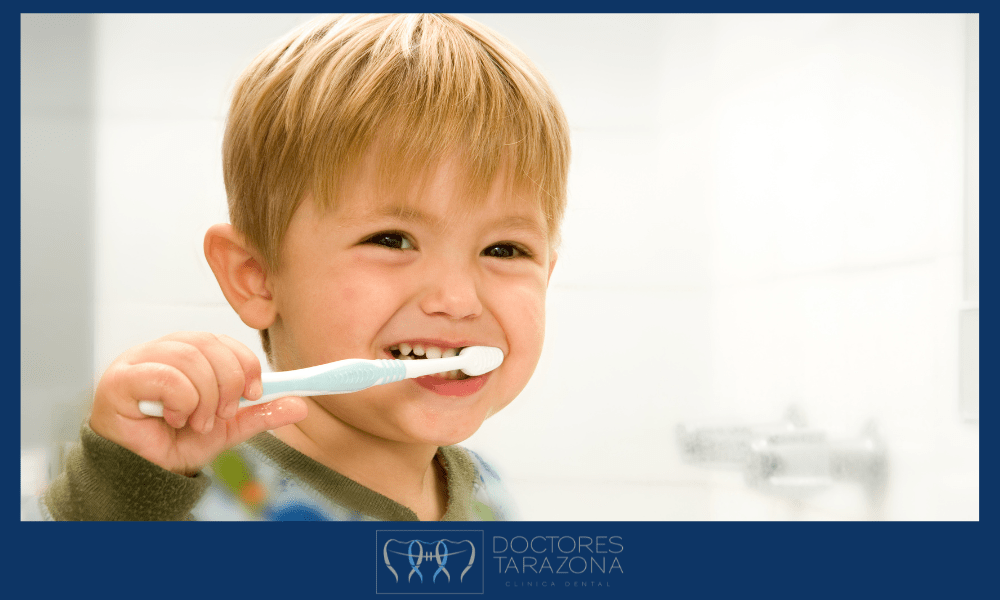
Diet and tooth decay: which foods to promote and which to avoid to prevent the appearance of cavities in children
Diet also plays an important role in the prevention of tooth decay in children. Some foods favour the formation of plaque and acids that attack the enamel, while others help to clean and protect the teeth. That’s why you should promote a balanced and varied diet that includes:
- Foods rich in calcium and phosphorus, such as milk, cheese, yoghurt or almonds, which help to strengthen the enamel and to remineralise the teeth.
- Foods rich in fibre, such as fruit, vegetables or wholegrain cereals, which stimulate the production of saliva and sweep away food debris.
- Foods rich in vitamins A, C and D, such as carrots, citrus fruits or fish, which favour the health of the gums and the formation of collagen.
- Water, which helps to hydrate the mouth, to neutralise the acids and to prevent dry mouth.
On the contrary, you should avoid or limit the consumption of:
- Sugary foods, such as sweets, biscuits, cakes or candies, which are the main food of the bacteria that cause tooth decay.
- Sticky foods, such as chewing gum, jelly sweets or dried fruit, which stick to the teeth and make them hard to clean.
- Acidic foods, such as fizzy drinks, juices or vinegar, which erode the enamel and increase dental sensitivity.
- Hard foods, such as nuts, popcorn or ice, which can fracture or chip the teeth.
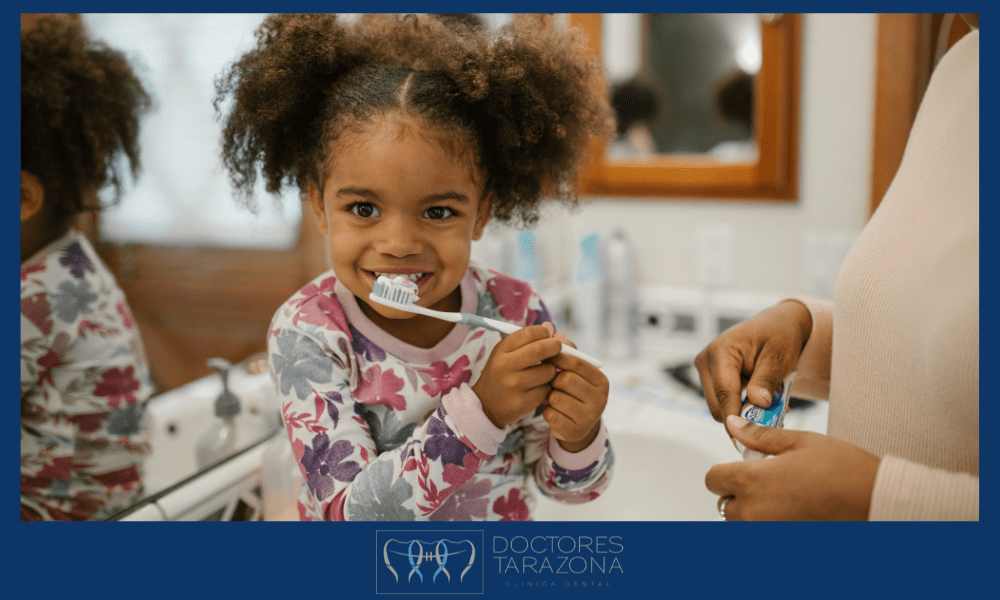
In addition to choosing the foods well, it’s also important to control the frequency and the timing of their consumption. The ideal is for children to eat five times a day: breakfast, mid-morning snack, lunch, afternoon snack and dinner. That way you avoid snacking between meals, which favours the formation of cavities. It’s also recommended that children brush their teeth after every meal or at least after breakfast and dinner.
The role of dental sealants in preventing cavities in children’s teeth
Dental sealants are plastic coatings that are applied over the chewing surfaces of the molars and premolars, which are the teeth most prone to developing cavities. Dental sealants act as a protective barrier that stops bacteria and food debris from building up in the fissures and grooves of these teeth.
Dental sealants are a very effective preventive treatment to reduce the risk of cavities in children. They can be applied from when the first permanent molars come through, around six years of age. The procedure is simple, painless and quick. It consists of cleaning and drying the tooth, applying an acid to create a rough surface that makes it easier for the sealant to adhere, placing the sealant on the tooth and hardening it with a special light.
Dental sealants can last several years if they’re cared for properly. However, they don’t replace brushing or other oral hygiene habits. Children who have dental sealants should keep brushing their teeth at least twice a day, use dental floss and go to the dentist regularly to check the state of their sealants and their teeth.
>>> If you need more information, this post may interest you: Treatment with dental sealants.
Regular visits to the dentist: why they’re essential to prevent tooth decay in children
Regular visits to the dentist are essential to prevent tooth decay in children. The dentist can detect and treat tooth decay in its early stages, before it causes bigger or irreversible damage to the teeth. In addition, the dentist can carry out other preventive procedures such as the application of fluoride or the placement of dental sealants.
The ideal is for children to visit the dentist every six months or once a year, according to their risk of tooth decay.
At the Clínica Dental Doctores Tarazona we offer you a specialised and personalised service to meet the oral health needs of your children. We have a team of paediatric dentists who are experts in looking after children’s oral health, who’ll advise you and give you the best recommendations to prevent tooth decay in your children.
At Clínica Dental Doctores Tarazona we care about the oral health of the whole family. That’s why we invite you to contact us and book your appointment. We’re in Valencia, at Avenida Maestro Rodrigo, 54.
We’re waiting for you with a big smile 😊
#ClinicaDentalDoctoresTarazona #PrevencionCaries #Valencia