How to Treat a Dental Avulsion (Knocked-Out Tooth)
An unexpected blow, a fall or an accident are situations that can lead to a dental avulsion, an event that confronts us with the urgency of acting correctly to preserve oral health after trauma. This article is an essential guide, providing the knowledge you need on how to approach dental avulsion treatment effectively and in line with the best clinical protocols.
Whether you are facing this situation yourself or you are a bystander who can help, the steps detailed below are crucial not only for the recovery of the affected tooth, but also to ensure proper healing and minimal long-term consequences.
What is a dental avulsion and why does it happen?
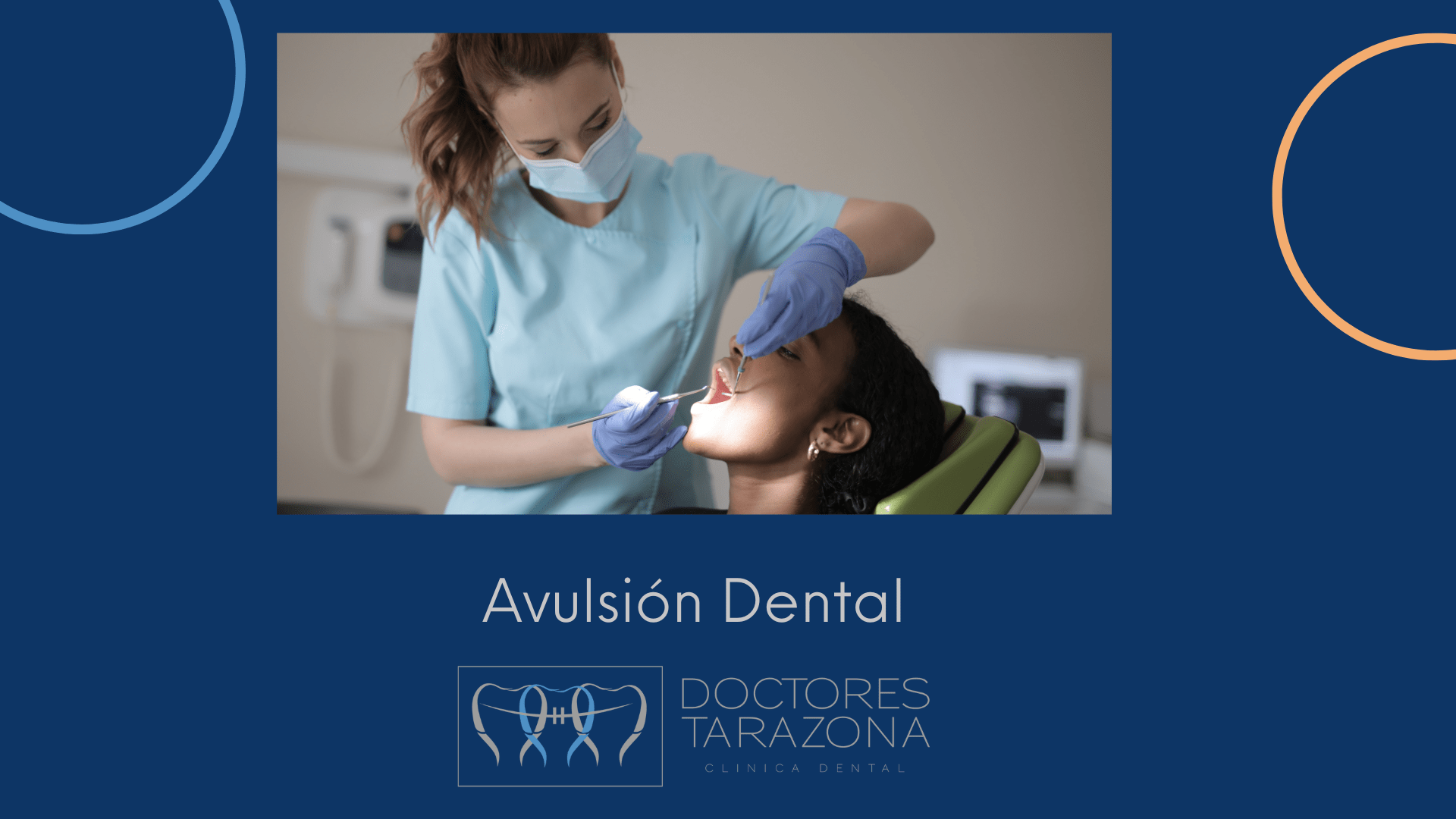
The meaning of avulsion involves the complete loss of a tooth due to a trauma that completely dislodges it from the socket, its natural cavity in the jawbone. This type of injury differs significantly from other dental injuries, such as fractures or displacements, in its severity and the immediate treatment it requires.
The causes of dental avulsion vary widely, but commonly include incidents such as:
- Sports accidents, where physical contact is frequent and sometimes intense.
- Falls that directly impact the mouth area.
- Car accidents that result in heavy blows to the face.
- Physical altercations involving blows to the mouth.
Understanding these causes is crucial for putting the right preventive measures in place and for being prepared with the first-aid knowledge needed should an avulsion occur.
First aid for a dental avulsion
Facing a dental avulsion can be an alarming experience for both the victim and any witnesses. Understanding the first steps to take is crucial to improve the chances of preserving the tooth and the success of any subsequent dental treatment. Below we detail the recommended procedures for the immediate handling, cleaning and preservation of the avulsed tooth, as well as the guidelines on when to seek urgent dental care.
How to handle the avulsed tooth
- Find the tooth as soon as possible and pick it up by the crown, avoiding touching the root.
- If the tooth is dirty, carefully clean the avulsed tooth, preferably with salt water or milk.
- Try to reinsert the tooth into its socket, applying gentle pressure. If that’s not possible, it’s essential to move on to the next preservation step.
Cleaning and preserving the tooth
Correct cleaning and preservation of the tooth after avulsion are fundamental steps that can significantly affect the tooth’s viability for future reimplantation. It’s important to act quickly, as the cells of the periodontal ligament can die in a short time.
- Washing the tooth with milk or saline solution is vital to keep the ligament cells alive.
- Place the tooth in a container with milk or saline solution. Never use tap water, as its components could damage the root cells.
- Take the tooth to the dentist as soon as possible, ideally within the first hour after the avulsion.
When to see the dentist
Seeking immediate dental avulsion treatment is crucial. Time plays a decisive role in the success of the tooth’s reimplantation. Here are some situations in which it is imperative to see the dentist:
- Whenever an avulsion occurs, regardless of whether the tooth has initially been reinserted or not.
- If there is pain, continuous bleeding or any other associated trauma in the mouth or face.
- If you don’t have the confidence or the means to attempt a temporary reinsertion of the tooth.
A prompt response and proper handling of the avulsed tooth are key to avoiding complications and ensuring the best possible care. In these situations, time is essential for recovery and for preserving dental health.
The importance of rapid intervention in dental avulsions
A rapid avulsion intervention isn’t just a matter of medical urgency; it’s the decisive factor that can determine the survival of the avulsed tooth. When a dental avulsion occurs, time works against the tooth’s viability, making almost immediate timely dental avulsion treatment essential.
In these cases, every minute counts, and the risk of permanently losing the tooth increases with each second of delay. The statistics show a clear correlation between rapid reinsertion of the tooth and the success rate of dental reimplantation. For this reason, the public is urged to have the knowledge and preparation to act in the face of these emergencies.
- Minimise the time the tooth remains out of its socket.
- Keep the tooth moist, preferably in saline solution or milk.
- Seek professional dental care immediately.
Proper initial handling not only saves the tooth, but also prevents future complications, such as infections or the need for more complex and costly procedures. In this way, awareness of the need for a rapid avulsion intervention and timely dental avulsion treatment should be a priority in educational and public-health programmes.
Professional treatment for dental avulsions
In the face of a dental avulsion, it’s crucial to act quickly and turn to a professional who can carry out the appropriate dental reimplantation procedures. These procedures are vital not only for tooth reimplantation, but also to ensure the long-term integrity of the patient’s dentition.
The success of tooth reimplantation largely depends on the speed of the intervention and the precision of the procedure.
When tooth reimplantation isn’t viable, the need for alternative treatments for avulsion comes into play. Professionals may opt for solutions without reimplantation, such as implants or bridges, which provide satisfactory functional and aesthetic results.
Exploring these alternative options ensures that all patients receive the care they need, even when the circumstances don’t allow a direct repair of the original tooth.
- Dental implants: a long-term solution that mimics the function and appearance of natural teeth.
- Dental bridges: designed to fill the gap left by the lost tooth, supported by the adjacent teeth.
- Partial dentures: removable options that can offer an aesthetic and functional solution.
These solutions without reimplantation offer viable and effective alternatives for cases where reimplantation isn’t possible, ensuring that patients can carry on with an optimal quality of life.
The role of antibiotics in the treatment of avulsions
The use of antibiotics for dental avulsion is a fundamental pillar for preventing infection after avulsion following a tooth-loss incident. These medications are given to fight or prevent bacterial infections that could complicate the patient’s treatment and recovery.
Integrating antibiotics properly into the treatment plan ensures a higher success rate in reimplantation and helps preserve the tooth socket. In addition, it allows more efficient and rapid healing, a crucial aspect in the management of dental avulsions.
- Early start of antibiotic treatment to reduce the risk of complications.
- Selection of the appropriate antibiotic based on the patient’s clinical assessment.
- Monitoring and follow-up by the specialist to adjust the therapy if necessary.
The use of antibiotics for dental avulsion isn’t only focused on healing; it’s essential for preventing infection after avulsion, helping to maintain the overall oral health of the affected individual.
Post-treatment care for a dental avulsion
After a procedure such as a dental avulsion, post-avulsion oral care and pain management are crucial for an effective recovery. In this section, we’ll explore the best practices to ensure a prompt improvement and the maintenance of oral health.
Managing pain and inflammation
Pain relief for dental avulsion can be achieved effectively through the use of medications prescribed by your dentist. Measures such as applying cold compresses to the affected area can also help significantly with reducing inflammation after avulsion. These strategies not only ease the pain, but also minimise inflammation, aiding a faster recovery.
- Use of painkillers as prescribed
- Application of localised cold
- Adequate rest and avoiding chewing on the affected side
Oral hygiene after an avulsion
Maintaining post-treatment oral hygiene is vital. Care shouldn’t be limited to the affected area, but should extend to the whole mouth to prevent infections and promote healing. Here are some recommendations:
- Gentle brushing with a soft-bristled toothbrush
- Careful use of dental floss in unaffected areas
- Antibacterial mouthwashes recommended by professionals
In addition to this care, it’s essential to attend follow-up visits with your dentist to ensure that healing is progressing properly and to prevent potential complications.
Factors that affect the success of reimplantation after an avulsion
Understanding the dental avulsion factors is crucial to maximise the success of dental reimplantation. These factors range from the response time to the handling of the avulsed tooth.
The speed with which the reimplantation is carried out is, without doubt, one of the most decisive factors. Experts recommend that reimplantation be done within the first hour after the avulsion to improve the chances of success. Likewise, proper preservation of the tooth during transport to the dental professional is essential.
- Use of sterile saline solution to keep the tooth moist.
- Avoid cleaning the tooth with abrasive solutions that can damage the root cells.
- Correct placement of the tooth in its socket during reimplantation.
In addition, the condition of the tooth and the surrounding tissues at the time of the accident plays a relevant role. A tooth that retains greater integrity and has less-damaged surrounding tissue has a better chance of reintegrating successfully.
Prevention and optimal immediate handling are essential for the success of dental reimplantation after an avulsion.
In conclusion, the more informed patients and professionals are about the dental avulsion factors, the better the strategies and results in the success of dental reimplantation.
Long-term rehabilitation and follow-up
Recovery from a dental avulsion requires a constant commitment from both the patient and the dental team to ensure optimal long-term results. The dental avulsion follow-up plays a crucial role, through regular appointments that allow the progress of the treatment to be assessed and any sign of complication to be addressed proactively.
Meticulous follow-up is essential for the stability and long-term health of a reimplanted tooth.
A fundamental part of the process includes preventing post-avulsion complications, where clear guidelines are given to the patient on how to look after their oral health, and treatments are prescribed to minimise the risk of infection or rejection.
Monitoring and preventing complications
- Periodic monitoring of the affected area.
- Prescription of appropriate medication to prevent infections.
- Ongoing review of the tooth’s integration with the adjacent tissue.
- Advice on effective dental hygiene.
Cosmetic reconstruction after an avulsion
For cases where post-avulsion dental aesthetics are compromised, there are multiple options for cosmetic dental reconstruction. These procedures not only restore the appearance of the smile, but also contribute to proper oral function, thereby improving the patient’s quality of life.
- Dental implants to permanently replace lost teeth.
- Veneers and crowns to improve the shape and colour of the affected teeth.
- Orthodontics to correct misalignments resulting from the trauma.
In conclusion, correct treatment and follow-up focus not only on physical recovery, but also on ensuring that the patient can once again enjoy a complete and functional smile, restoring their confidence and emotional well-being.
The role of the multidisciplinary team in treating dental avulsions
In the management of a dental avulsion, the involvement of a multidisciplinary dental avulsion team plays a crucial role. This collaboration ensures a comprehensive approach that can significantly improve the patient’s outcomes and optimise the healing process. The avulsion treatment specialists, such as endodontists, periodontists and oral surgeons, join forces to provide cutting-edge care tailored to each patient’s unique situation.
Each specialist within the team plays a specific role that is vital for the effective and efficient management of the dental avulsion. Below, we highlight some of the key contributions of these professionals:
- The endodontists take care of root-canal treatments, vital after the reimplantation of the avulsed tooth.
- The periodontists help manage the health of the gums and the supporting dental tissue to ensure the reimplanted tooth settles in well.
- The oral surgeons step in for cases requiring complex surgical procedures, such as situations involving bone fractures associated with the avulsion.
Collaboration between these specialists not only maximises the success rates of reimplantation and the healing process, but also minimises the risk of future complications, such as root resorption and loss of the reimplanted tooth. The coordination between the avulsion treatment specialists allows for fast, well-founded decision-making, crucial in the moments immediately after the incident, when time is essential for treatment success.
In this way, the multidisciplinary dental avulsion team not only restores dental function but also ensures the patient’s long-term aesthetics and health, shaping a more favourable prognosis and a more complete recovery.
Preventing dental avulsions
Preventing dental avulsion is a crucial aspect of maintaining our oral health, especially for those who take part in contact activities or sports. Implementing effective measures can significantly prevent dental avulsions and other oral injuries.
Oral safety should be a priority both in sporting settings and in everyday life.
Use of mouthguards in sport
Sports mouthguards are an essential tool for preventing dental avulsion. These devices are designed to absorb and disperse the impact forces that often occur during physical activity, thereby protecting the teeth and the surrounding soft tissues.
- Choosing the right mouthguard: it’s essential to choose a guard that fits the user’s mouth structure perfectly, offering comfort and, above all, effective protection.
- Mouthguard maintenance: to ensure its effectiveness, the guard should be kept clean and checked regularly for wear or damage.
Safety measures at home and at work
Preventing oral injuries isn’t limited to the sporting arena; precautions should also be taken at home and in the workplace.
- Keep floors free of obstacles that could cause trips and falls.
- Use appropriate personal protective equipment for each type of work activity that could pose a risk to the face and mouth.
Implementing these measures not only helps prevent dental avulsions, but also fosters a safer environment for everyone.
The emotional impact of a dental avulsion and how to manage it
Losing a tooth through a dental avulsion can be a traumatic event, not only physically but also emotionally. Understanding the emotional impact of dental avulsion and using effective strategies for coping with dental avulsion are essential to overcoming this challenge.
Emotions such as shock, anxiety and sadness are common after suffering an avulsion. These reactions not only affect individual well-being, but can also hinder optimal physical recovery. For this reason, it’s crucial to address these feelings as soon as possible.
- Education about the procedure: understanding the steps that will be followed for the treatment can reduce anxiety and provide a sense of control over the situation.
- Emotional support: seeking the support of family, friends or specialised support groups can be fundamental in managing negative emotions.
- Professional counselling: in cases of prolonged or intense difficulties, the help of a psychologist can be beneficial to develop effective coping strategies and adapt to the new dental reality.
“Coping with the emotional impact of a dental avulsion is as crucial as treating the avulsion itself. The right support can make a significant difference to the individual’s recovery.”
Implementing these practices not only helps to manage the emotional impact of dental avulsion effectively, but also facilitates the coping with dental avulsion process, allowing the affected person to get back to their daily life with greater resilience and emotional well-being.
How to choose the right professional to treat a dental avulsion
Choosing the right dentist is crucial when facing a dental avulsion situation. The choice of dentist for a dental avulsion should be based on their specialisation, experience and the reputation of their practice. Below, we offer some guidelines to find an avulsion specialist who guarantees the best possible treatment.
- Check the credentials and specialisation: make sure the dentist has the appropriate training in dental emergency treatments such as avulsion.
- Proven experience: look for dentists who have handled multiple dental avulsion cases, as practical experience is invaluable.
- Recommendations and reviews: check online reviews and ask for recommendations to make sure other patients have had positive experiences.
- Accessibility and availability: it’s important that the specialist is available to treat dental emergencies outside normal hours.
- Advanced technology and techniques: assess whether the dentist uses advanced technology, which is an indicator of a clinic that keeps up to date with the latest advances in the dental field.
By following this advice, you’ll significantly increase the chances of a successful recovery after a dental avulsion, ensuring you receive quality care at a critical moment.
The cost involved in treating a dental avulsion
Understanding the cost of avulsion treatment is crucial for those who suffer this type of dental injury. The expenses of dental avulsion can vary widely depending on several factors, including the complexity of the case and the type of treatment received.
Generally, the costs include the initial consultation, any emergency procedure needed to reimplant the tooth, and the follow-up treatments to ensure the proper integration and functioning of the reimplanted tooth. The possibility of additional treatments such as root-canal work or dental restoration procedures should also be considered.
It’s essential to consult a professional to get an accurate estimate that includes all the possible scenarios and treatments.
- Initial consultation and assessment: evaluation of the damage and treatment planning.
- Reimplantation and initial procedures: these can include sedation, anaesthesia and the reimplantation process itself.
- Follow-up treatment: needed to ensure the proper healing and function of the tooth.
- Additional treatments: such as root-canal work or crowns, depending on the damage to the tooth and surrounding tissues.
In addition, it’s advisable to check the coverage options with your health insurance to determine what part of the cost of avulsion treatment could be covered by your policy. In some cases, insurance can cover a significant part of the expenses of dental avulsion, reducing the financial burden for the patient.
It’s recommended to explore all the available financing options, including payment plans offered by the dental clinic, specialised medical credit, or even financial-assistance programmes that some institutions offer for dental emergencies.
Understanding and planning the expenses of dental avulsion is an essential step in managing this stressful situation, allowing you to focus on recovery and long-term well-being.
Technology and advances in the treatment of dental avulsion
Technological advances in dental avulsion have revolutionised the practices in emergency treatments and recovery in the field of dentistry. The adoption of innovation in dental treatment has not only improved the prospects of successful reimplants but has also significantly expanded the post-treatment care options. We’ll explore some of the most important developments making a difference today.
- New biomaterials that aid the integration and regeneration of the tooth in the socket.
- Improved preservation techniques for the avulsed tooth that extend the window of opportunity for a successful reimplant.
- Advanced diagnostic software that allows a more precise assessment of the damage and treatment planning.
- Laser treatments that reduce pain and inflammation, speeding up the healing process.
Innovation in dental treatment has radically transformed the way professionals approach dental avulsion cases, offering better functional and aesthetic results for patients.
The role of technology in the treatment of dental avulsion is crucial to ensuring that patients receive the most effective and timely care possible. These technological advances in dental avulsion not only improve the success rates of dental reimplants, but also promote a faster and less painful recovery for the patient.
Testimonials of recovery from dental avulsions
Real dental avulsion experiences offer an authentic and in-depth insight into the road to recovery. Each testimonial reflects not only the challenges faced, but also the valuable lessons learned during the treatment process.
Overcoming a dental avulsion was a major challenge in my life, but with the right support and effective treatment, I was able to confidently resume my daily activities. This experience taught me the importance of prevention and dental care.
Within the dental recovery stories, the importance of time in the initial care and dental reimplantation stands out, as well as the need to rigorously follow the post-operative instructions to ensure the success of the treatment.
- Patients who underwent rapid interventions show significantly higher success rates.
- Long-term follow-up is crucial to monitor and prevent possible later complications.
- Psychological care plays an important role in the patient’s adaptation to their new dental situation.
These dental recovery stories serve not only to educate other patients in similar situations, but also provide valuable information for medical professionals about the most effective treatment strategies and the emotional needs of patients during their recovery.
Dental avulsion
A dental avulsion represents an emergency situation that warrants immediate attention to increase the chances of success in reimplantation and dental rehabilitation. Throughout this article, we’ve provided a comprehensive dental avulsion guide that covers everything from recognising the incident and the relevant first aid, to the professional treatment options and the subsequent care needed for an optimal recovery.
Early intervention and the selection of a multidisciplinary professional team are fundamental to managing a dental avulsion effectively. In addition, implementing preventive measures and using advanced technology are key pillars in improving outcomes. The complete dental avulsion information covered in these sections underlines the importance of acting with precision and speed, as well as carefully following the recommendations and post-treatment follow-up to ensure satisfactory dental function and aesthetics.
With the knowledge gained, patients and carers are now better equipped to face this dental eventuality. This dental avulsion guide aims to be a comprehensive resource that not only instructs on the management of a dental avulsion, but also contributes to informed decision-making to support the dental health and overall well-being of the affected person.
Common questions and answers in the clinic:
What is a dental avulsion and how does it happen?
A dental avulsion is the complete loss of a tooth due to a trauma or blow. It generally occurs in situations such as sports accidents, falls or direct blows to the mouth. Avulsion means the tooth is completely detached from its socket, that is, from the cavity in the upper or lower jawbone where it’s normally inserted.
What is the first aid for a dental avulsion?
In the case of a dental avulsion, it’s important to handle the avulsed tooth with the utmost care, avoiding touching the root and removing any attached tissue. It should be cleaned with cold water without scrubbing and, if possible, reinserted into the socket or kept in saline solution, milk or even in the mouth, beside the cheek, until you reach the dentist. It’s essential to seek professional dental care immediately.
Why is it important to act quickly after a dental avulsion?
Acting quickly is crucial because the chances of successfully reimplanting the avulsed tooth decrease over time. There’s an optimal window of 30 minutes to an hour after the accident in which reimplantation is most likely to succeed. Rapid intervention can mean the difference between saving or permanently losing the tooth.
What does the professional treatment for dental avulsions involve?
Professional treatment may include reimplanting the avulsed tooth, which is done by reinserting the tooth into its place and stabilising it with a splint for a set period. In cases where reimplantation isn’t possible, alternatives such as implants, bridges or dentures will be assessed to restore dental function and aesthetics.
What role do antibiotics play in the treatment of dental avulsions?
Antibiotics may be prescribed during the treatment of a dental avulsion to prevent infection in the socket area and in the reimplanted tooth, especially if there was a delay in receiving care or if there’s clear contamination of the tooth.
How should the post-treatment care of a dental avulsion be?
Post-treatment care includes managing pain and inflammation with medication prescribed by the dentist, as well as a rigorous but careful oral-hygiene regimen in the affected area so as not to destabilise the reimplanted tooth and to aid its healing.
What are the factors that affect the success of dental reimplantation?
Factors such as the time the tooth spent out of the socket, the way the tooth was preserved after the trauma, and the condition of the periodontal tissue are decisive for the success of the reimplantation. The patient’s age and the prior state of their oral health also have an influence.